
Last updated November 15, 2026
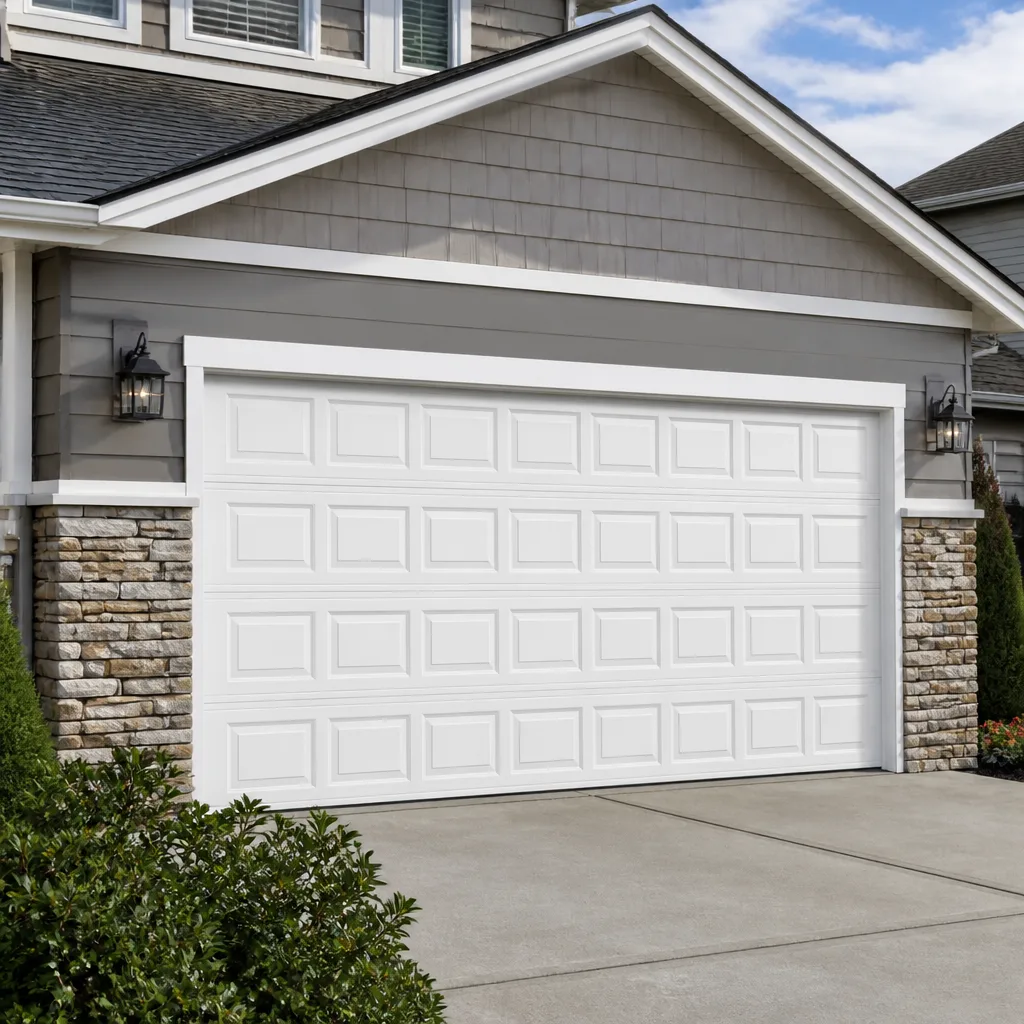 Raised-panel steel
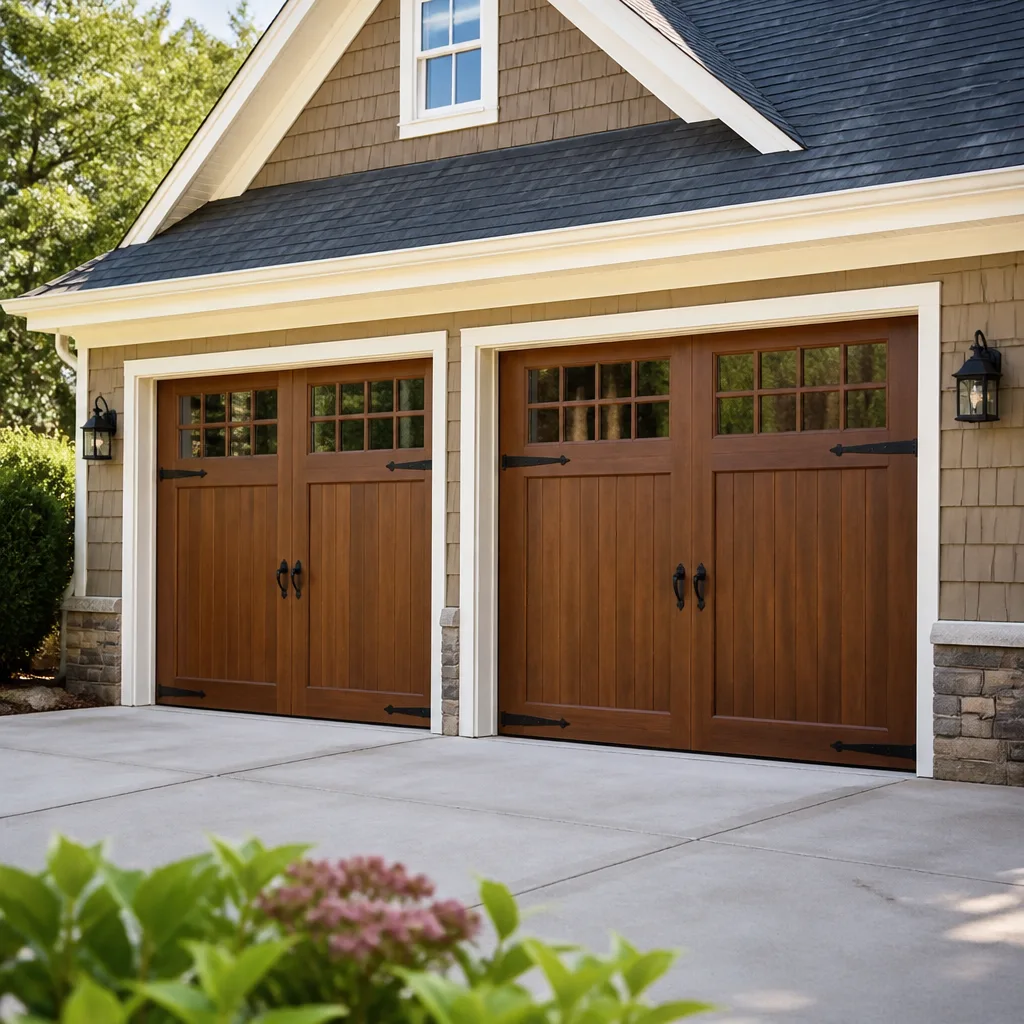 Carriage house
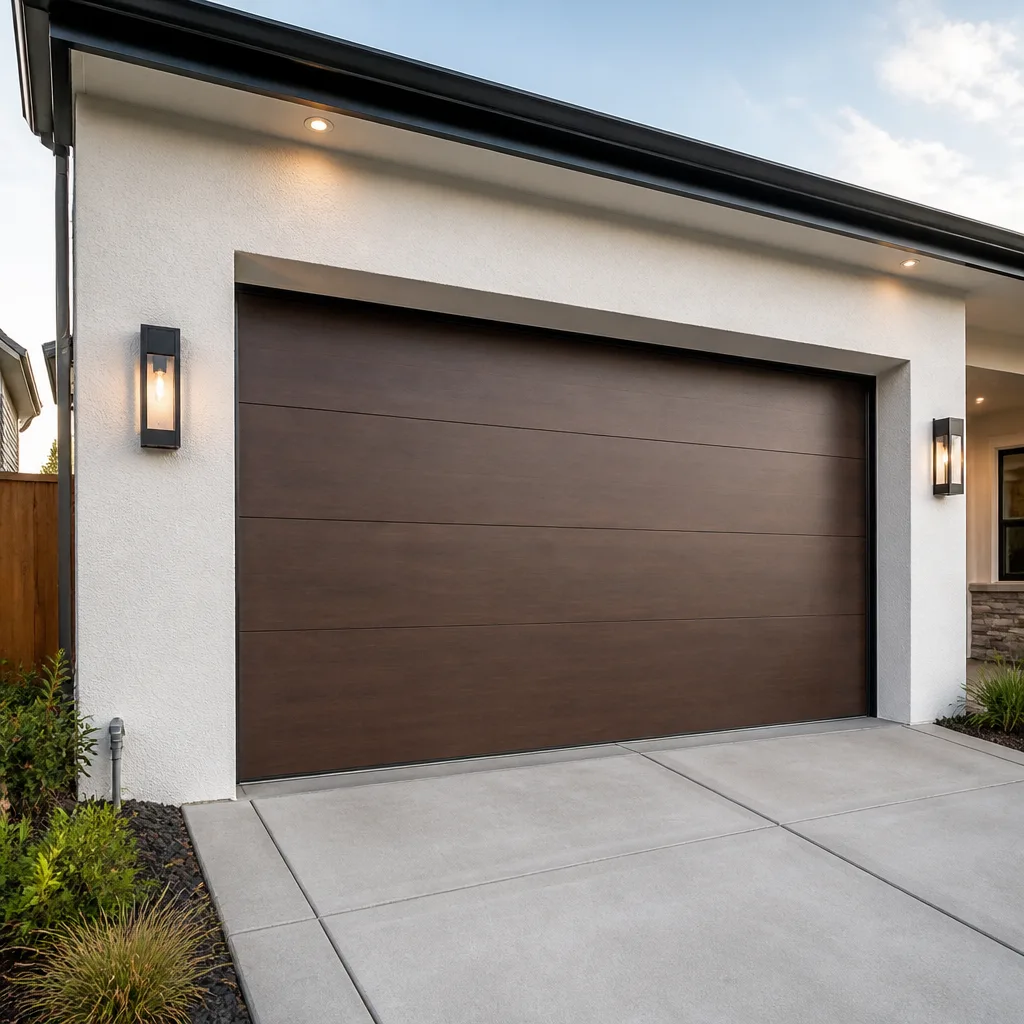 Modern flush
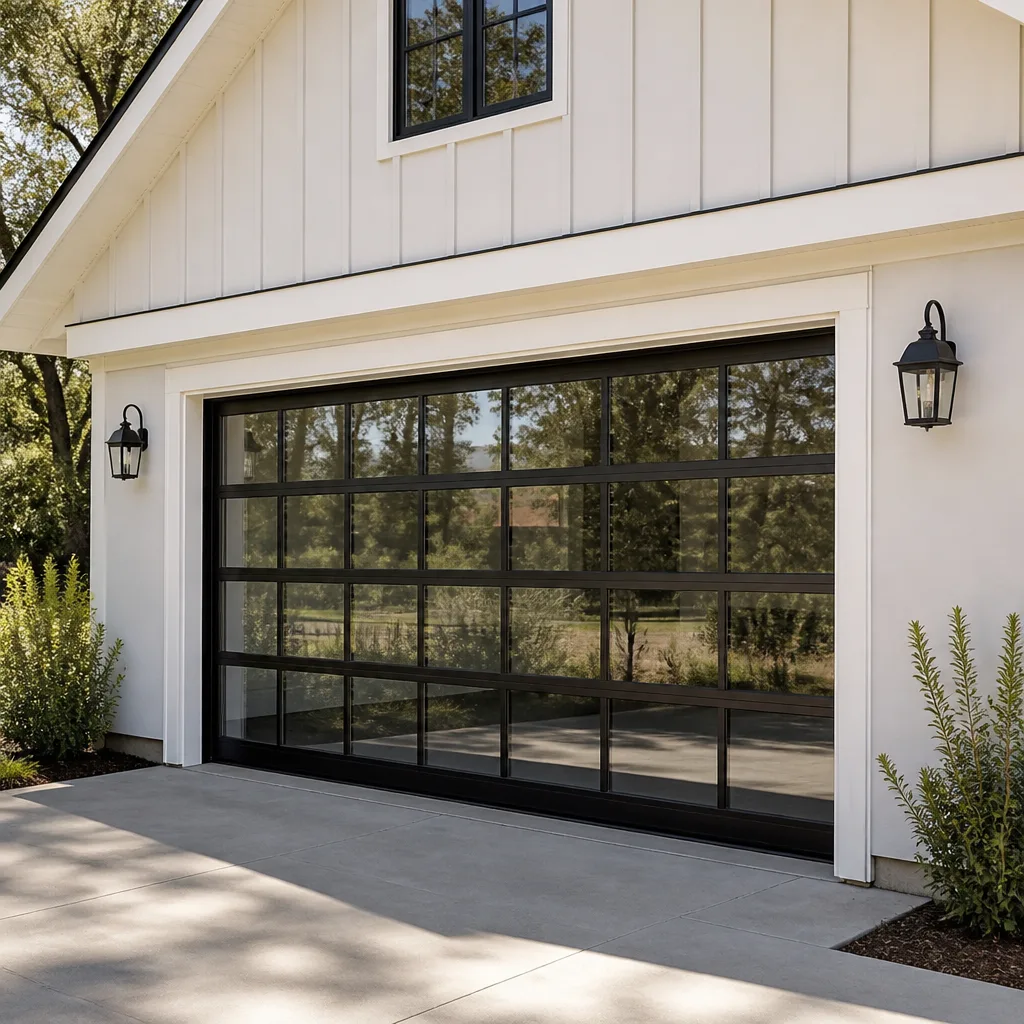 Full-view glass
 LiftMaster openers
 Chamberlain openers
Full 25-point door and opener safety check with every visit - springs, cables, rollers, tracks, and your LiftMaster or Chamberlain opener included
You get a price before we start. It does not change when the pro arrives.
Get your free estimateSeasonal Garage Door Care for Minneapolis: Year-Round Homeowner’s Guide
Most homeowners treat garage door maintenance like a car wash – something you get around to when it’s convenient. But in Minneapolis, the calendar matters more than the checklist. Here’s the counterintuitive part: a single thorough inspection in mid-October prevents the majority of mid-winter breakdowns. That one appointment does more protective work than dozens of small tasks spread across the other three seasons. The other seasons aren’t maintenance in the traditional sense – they’re about catching what fall missed or managing active damage already in motion. This guide walks you through what to check and when, so the weather works with your door instead of against it.
Quick Answer
In Minneapolis, the best seasonal garage door care is a thorough October inspection before the ground freezes, followed by active winter management (especially not forcing a frozen door), a spring post-thaw audit, and summer attention to humidity-related wood swelling. The other tasks are small reinforcements – the October inspection is the one that does the heavy lifting. Do that one well and you prevent most of what goes wrong between November and April.
Styles & brands we work with
- Raised-panel steel
- Carriage house
- Modern flush
- Full-view glass
- LiftMaster openers
- Chamberlain openers
Table of Contents
- Why Fall Does Most of the Work in Minneapolis
- The October Inspection Sequence: What to Check and In What Order
- Winter Active Management: Freezing and the Mistake That Bends Panels
- Spring Post-Thaw Audit: Catching What Winter Left Behind
- Summer Humidity: Wood Door Swelling, Paint, and Seal Fit
- What’s Different About Garage Doors in Minneapolis
- Building a 20-Minute Annual Calendar System
- When Maintenance Becomes a Repair
Why Fall Does Most of the Work in Minneapolis
In a climate with four distinct seasons, every season has a job. But here’s what we’ve seen working on garage doors in Minneapolis: fall is when the door needs the most attention, because everything that goes wrong in winter starts as a small untreated issue in October. Steel tightens in the cold. Lubricant thins out. Weatherstripping hardens. All of that begins in late October and accelerates by January. A door that’s properly prepped in fall has far less stress on its springs, hinges, and opener come February.
This matters because the ground freeze in Minneapolis locks the foundation. The concrete slab under the door settles and shifts. The track’s bottom brackets are anchored into that slab or into the frame above it. Once the ground freezes, making certain kinds of adjustments – especially anything requiring ground-level hardware to be tapped, shimmed, or re-anchored – becomes much harder. You can still adjust the opener and the springs. But the physical geometry is set until spring thaw. That’s why the October inspection is a deadline, not a suggestion.
The other three seasons are not equal in effort. Spring is a diagnostic season. Summer is a reaction season. Winter is a survival season. Fall is the only season where the work you do now actively changes what happens later. That’s the shape of seasonal care in Minneapolis. Plan your year around it.
If you’re new to the house or haven’t looked at the door since you moved in, start with a full service call rather than a self-check. Our garage door repair team can look at the door as it actually sits today and tell you what the last owner left behind.
The October Inspection Sequence: What to Check and In What Order
The order matters. Start at the top and work down, and start with safety before anything else. This sequence takes about 30 minutes for a homeowner who knows what they’re looking at, and it should happen in mid-October, before the first hard frost and before the ground freezes solid in Minneapolis. Doing it in the right order means you don’t repeat yourself or miss something obvious because you got distracted by a smaller issue.
- Check the springs and cables first. Look for visible gaps, kinks, stretching, or rust bloom on the torsion springs above the door or the extension springs along the tracks. Do not touch them. Springs are under extreme tension and can cause serious injury if they release improperly. If you see gaps, odd bends, or rust that looks newer than last year, call a technician. This step comes first because it’s the one thing a homeowner should never fix alone.
- Test the safety reverse. Lay a piece of wood or a brick on the floor under the closing door and let it close. The door should reverse immediately on contact. Then test the photo-eye sensors by waving your hand through the beam while the door is closing. If the door doesn’t reverse, the opener’s safety system needs service. This is not deferrable.
- Walk the weatherstrip. Run your hand along the bottom seal and the side seals. In Minneapolis the bottom seal takes the brunt of snow, ice, and salt-grit. If it’s cracked, flattened, or pulling away, it will let in cold air and meltwater all winter. This is a cheap, easy fix in October and a nuisance in January.
- Look at the track. Both vertical and horizontal sections. Look for dents, debris, or anything that looks out of alignment. Don’t try to bend the track back with a hammer – you’ll make it worse. Note it and get it looked at.
- Inspect hinges and rollers. The hinges along the door’s seams should not be loose, and the rollers should turn smoothly without wobble. Worn hinges are one of the most common things we find on Minneapolis doors after a cold season, because they take the repeated stress of every open and close.
- Check the balance. Disconnect the opener with the release cord, then lift the door about halfway by hand. It should stay in place. If it falls or rises on its own, the springs are out of balance and need adjustment.
- Test the opener. Reconnect and run the door through a full cycle. Listen for grinding, hesitation, or changes in sound. Note any new noise.
- Lubricate hinges, rollers, and the spring coil with a garage-door-specific lubricant. Not WD-40. Not motor oil. A proper white lithium or silicone-based lubricant. This is the last step because it shouldn’t distract from the inspection itself.
If anything in steps 1, 2, 4, or 6 looks off, stop and call. Those are the items that turn a cheap fix into an expensive repair if they go into winter untreated. For Minneapolis homeowners with doors built by Clopay, Amarr, or Wayne Dalton, the hardware is standard enough that a technician can adjust or replace most of it in one visit. We keep in mind the specific hardware those brands use, and our technicians have up to 8 years of experience working with them.
Winter Active Management: Freezing and the Mistake That Bends Panels
Winter isn’t the time to make repairs. It’s the time to avoid creating them. The biggest winter issue in Minneapolis is the door freezing to the floor slab, and the biggest mistake we see is a homeowner reacting to that freeze by forcing the door open. That’s how panels get bent and how the bottom section of a steel door gets permanently deformed. The cost of replacing a panel is far higher than the cost of spending ten minutes thawing correctly.
When your door is frozen shut, here’s what actually works:
- Kill the opener first. Press the wall button to disengage it, then pull the release cord. You want the door disconnected from the motor before you do anything else. Otherwise you risk stripping the opener’s gear or burning out the motor.
- Use warm (not boiling) water on the seal line. A watering can or a pitcher of warm water poured slowly along the bottom seal will thaw the ice. Boiling water on cold steel can crack the finish and stress the metal.
- Give it time. Ten to fifteen minutes is normal for a deep freeze. Don’t rush the process.
- Never pry the door. A pry bar under the bottom panel will bend the panel and possibly break the seal. It’s the single most common cause of winter panel damage in Minneapolis.
- After it opens, clear the seal and apply a silicone-based spray to reduce the chance of refreezing the next morning.
While the door is closed for the winter, do a monthly visual check – just look, don’t disassemble. Watch for ice dams above the door (a common Minneapolis issue on south-facing garages), snow-packed tracks, and any new dark stains on the concrete under the springs. If you see the door start to hesitate or make a new sound, that’s your cue. For opener issues in cold weather, our garage door opener repair team handles the brands most Minneapolis homes already have – LiftMaster, Chamberlain, Genie, and Craftsman.
We answer 24/7. Fast dispatch from 7am to 7pm, Sunday through Friday. If the door won’t open and you’re not sure what’s safe to try, call and we’ll talk you through what’s happening before sending anyone out.
Spring Post-Thaw Audit: Catching What Winter Left Behind
Spring in Minneapolis is when the ground thaws, the frost heave releases, and everything that shifted over the winter shifts again. It’s the diagnostic season. What you’re looking for in April and early May is the damage winter did but didn’t reveal until the ground started moving again. Do this audit in the same order as the October inspection, but with extra attention to a few specific items.
Spring stretch and sag. Look at the torsion spring above the door. If the coil has stretched unevenly, or if the door opens more slowly than it did in the fall, the spring is losing tension. Extension springs along the track may show visible gaps or a change in their arc. This is a cable-and-spring issue and needs a technician – not a homeowner with a winding bar.
Track misalignment from ground movement. Frost heave in Minneapolis is real, and the concrete slab under the garage door is one of the first things to shift. That means the bottom brackets and the vertical track can come out of true. Signs: the door rubs on one side, the rollers squeal in one section, or the door looks tilted when you stand back and watch it close. Misaligned tracks will eventually wear the rollers and the door’s hinges unevenly.
Hinge wear. Worn hinges are cumulative – each winter they take a little more stress, and by spring the seams between panels can look uneven. That’s a sign the hinges need replacement. This is a repair a technician can do quickly, and it’s the kind of fix that prevents the door from developing larger panel problems later.
Weatherstrip and seal damage. Spring is when you replace the bottom seal. If it looks cracked, torn, or brittle from a winter of freeze-thaw, replace it now so it doesn’t leave a gap through the rainy season. That gap is what lets water into the garage and starts rust on the bottom panel.
Finish your spring audit with a lubrication pass on the hinges, rollers, and spring coil. That single pass protects the hardware through the summer humidity and gives you a clean baseline going into fall. If you’re seeing anything that looks like spring stretch or track misalignment, don’t wait for fall. Call Parkway Garage Door Repair and we’ll diagnose it correctly the first time.
Summer Humidity: Wood Door Swelling, Paint, and Seal Fit
This is the piece most seasonal guides skip. Minneapolis summers run humid, and for homes with wood garage doors – or doors with significant wood trim – that humidity matters. Wood takes on moisture, panels swell, paint film stretches, and the door stops fitting the way it did in April. This isn’t a sign the door is failing. It’s normal physics. But it needs to be managed.
Here’s what happens: when relative humidity rises, wood absorbs moisture and expands. Door panels are designed with small gaps to allow for this, but if those gaps are packed with failing paint, old caulk, or debris, the swelling can’t go anywhere and it starts to push against the trim, bind in the frame, or split the seal. On older Minneapolis doors, this is often the cause of a door that “suddenly” starts sticking in July.
What to do:
- Inspect paint for cracking or peeling. This is particularly common on the south and west faces of a Minneapolis garage. Paint is a moisture barrier – when it fails, the wood takes on water directly. Repaint in early fall, not mid-summer, so the paint cures before the cold.
- Check the seal at the bottom and sides. A swollen door can pull its seal away from the frame, leaving a gap. Replacing the seal is cheap and prevents the humidity from getting inside the garage.
- Watch for binding. If the door sticks in the frame in July but opens normally in October, that’s a swelling issue, not a hardware failure. Don’t adjust the track for it. Address the wood and paint instead.
- Keep the garage ventilated if you can. Summer humidity in Minneapolis isn’t going to disappear, but airflow in the garage shortens the time the door sits in still, moist air.
If you have a Clopay or Amarr wood or wood-composite door, this seasonal swelling is designed into the panels. The fix is maintenance on the finish, not replacement. A homeowner who repaints in September and reseals in May gets decades out of the door.
What’s Different About Garage Doors in Minneapolis
Every climate puts specific demands on a garage door. Minneapolis puts four in a row. The freeze-thaw cycle here is the primary stressor – the ground shifts in fall, freezes hard through winter, thaws unpredictably in March, and doesn’t fully settle until mid-May. That means the bottom brackets, tracks, and spring anchor points are moving under the door all year. The hardware has to be tolerant of that, and it needs attention when it isn’t.
Second, the temperature swing itself. From a -10 degree morning to a 40 degree afternoon, a steel door expands and contracts significantly. That puts stress on every seam, every hinge, and every seal. It’s why fall lubrication matters more here than in places with a narrow temperature range. Cold lubricant seizes. Warm lubricant flows. If you lubricate in July and not in October, by January the hinges are running dry.
Third, the snow and salt grit. Plowed streets leave a grit line along the bottom seal of the door. Over a winter it works its way into the seal and the track, causing abrasion. A quick sweep of the bottom seal every week in winter is a genuinely useful habit in Minneapolis.
Fourth, the age of the housing stock in many Minneapolis neighborhoods means you’re often working with a door that’s already had one or two decades of these cycles. An older Genie or Chamberlain opener in a mid-century home may be running on its original components, and the door itself may have been repainted several times. Knowing what to look for on an older door – not just a new one – changes what maintenance actually means. If you’re not sure what shape your door is in, our team can look at it as it actually is and tell you. We service doors and openers across the metro, from Minneapolis proper to the surrounding neighborhoods.
Building a 20-Minute Annual Calendar System
The hardest part of seasonal garage door care isn’t the work. It’s remembering to do it. Between school schedules, work, and everything else competing for attention in Minneapolis, seasonal tasks get skipped. The fix is calendar architecture, not willpower. Set up four reminders once, and let them repeat.
Here’s how to build it:
- Mid-October: Full inspection. Schedule 30 minutes. Use the sequence from earlier in this guide. Book a technician visit now if anything in the first, second, fourth, or sixth step looks questionable. This reminder is the most important one on the list.
- First week of November: Pre-winter check. 5 minutes. Lubricate hinges and rollers, check the bottom seal, clear the track, and confirm the opener reverses correctly. Do this just before the first hard freeze.
- March 1: Post-thaw walkthrough. 5 minutes. Look for track misalignment, spring stretch, or seal damage. Note anything odd and get it looked at in April.
- Mid-June: Summer moisture check. 5 minutes. Look for wood binding, paint failure, or a gap in the seal. Repaint in September if needed.
- Early September: Paint and reseal window. This is the one that isn’t a check – it’s the actual work. If your door has wood, plan a repaint or re-seal on the September reminder.
That’s 20 minutes of checking across the year, plus one 30-minute October inspection. It’s not a lot. But it’s the difference between a door that goes 15 years without a repair and a door that needs one every other winter. Most of us can’t remember four seasonal tasks without calendar support. The calendar does the remembering. We do the work when the checks find something real. Set the reminders now, before the October date arrives.
Common Mistakes to Avoid
- Skipping the October inspection because the door “seems fine.” A door that closes smoothly in September can have a spring at 80% tension that fails in January. The visual inspection catches what the open-and-close test doesn’t.
- Forcing a frozen door open. This is the single most expensive mistake we see in Minneapolis winters. It bends panels, strips opener gears, and breaks seals. Thaw with warm water and patience.
- Using WD-40 or motor oil on the hinges. Both attract grit and dry out quickly in cold weather. Garage-door-specific lubricant is what actually works through a Minneapolis winter.
- Attempting spring or cable repair alone. Springs are under extreme tension and a homeowner without training can be seriously injured. This is not a DIY repair. Call a professional.
- Ignoring summer wood swelling. If the door binds in July and frees in October, don’t adjust the track. Address the paint and seal so the wood can’t take on moisture.
- Putting off the fall lubricant. Cold-weather lubricant matters more than warm-weather lubricant. Missing the October pass means wearing out hinges through the winter.
- Replacing the door when a repair would do. A door that’s loud, slow, or slightly misaligned is often a $200 fix – not a $2,000 replacement. Ask for a diagnosis before you ask for a quote.
When to Call a Professional
Some tasks are homeowner-friendly: lubricate, inspect, change the bottom seal. Others aren’t. Call a professional if you see gaps or kinks in the springs, if the door doesn’t reverse on contact with an object, if the cables look slack or frayed, if the door is visibly tilted or hanging off its track, or if the opener grinds, hums without moving, or stops mid-travel. Those are the signs that something is close to failing, and cold weather makes those failures more likely. If you’re not sure, call – better to know now than in February. Parkway Garage Door Repair offers free estimates in Minneapolis and a single call covers the door and the opener. Call (855) 213-4171. We answer 24/7. Fast dispatch from 7am to 7pm, Sunday through Friday.
See the difference
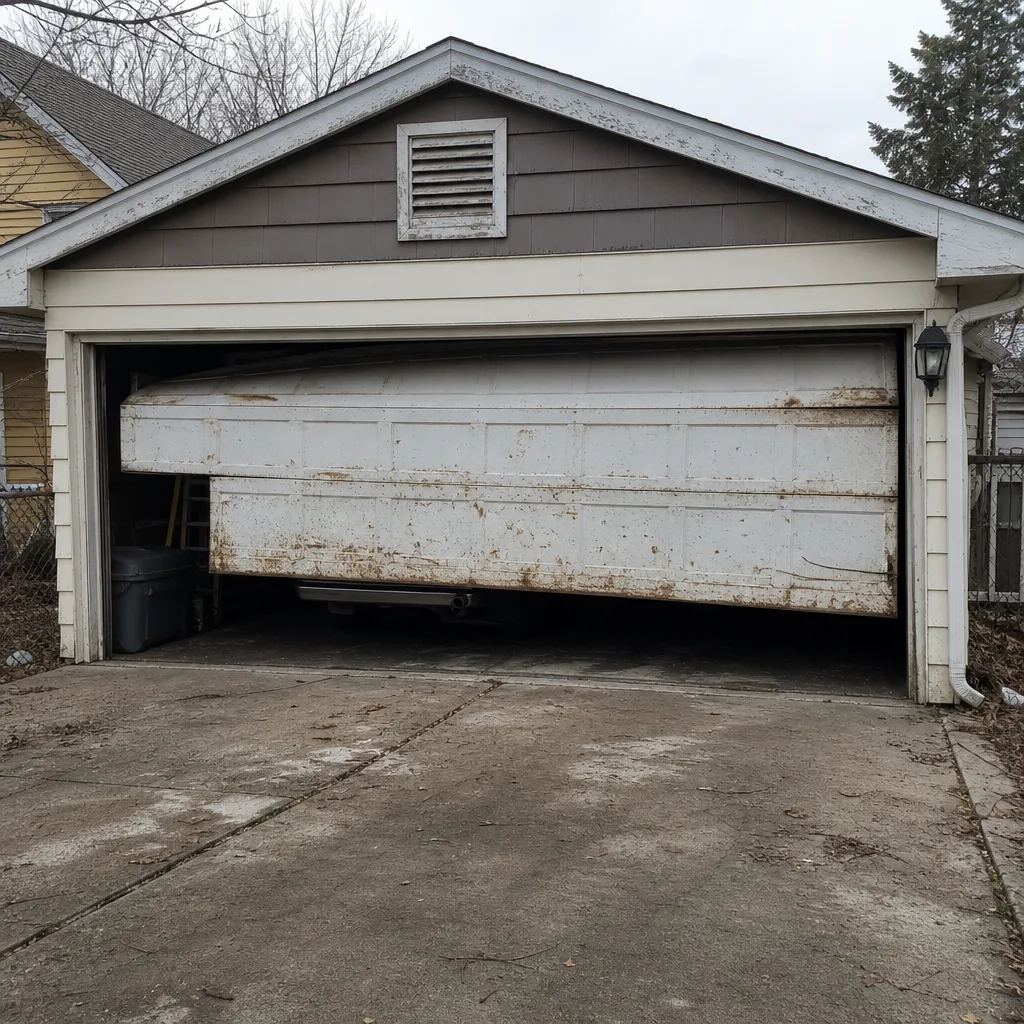 Before
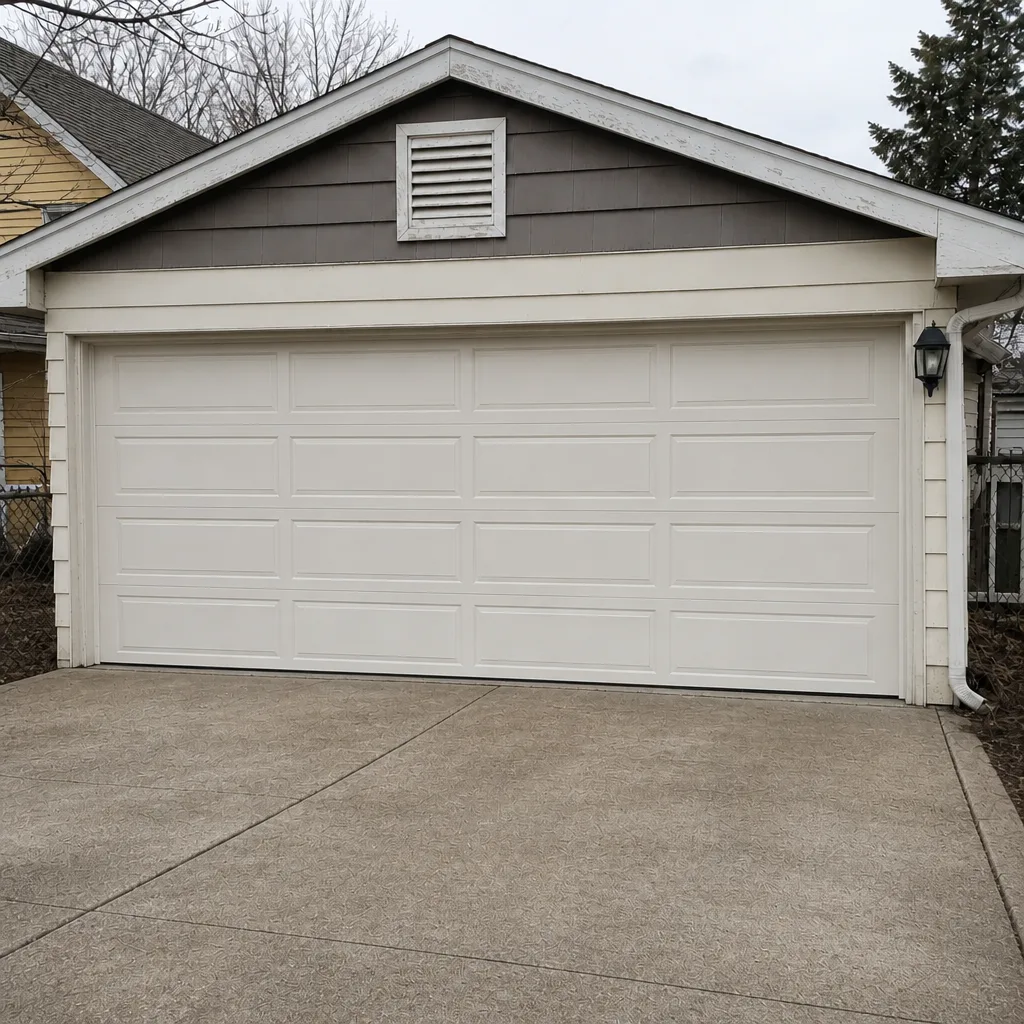 After
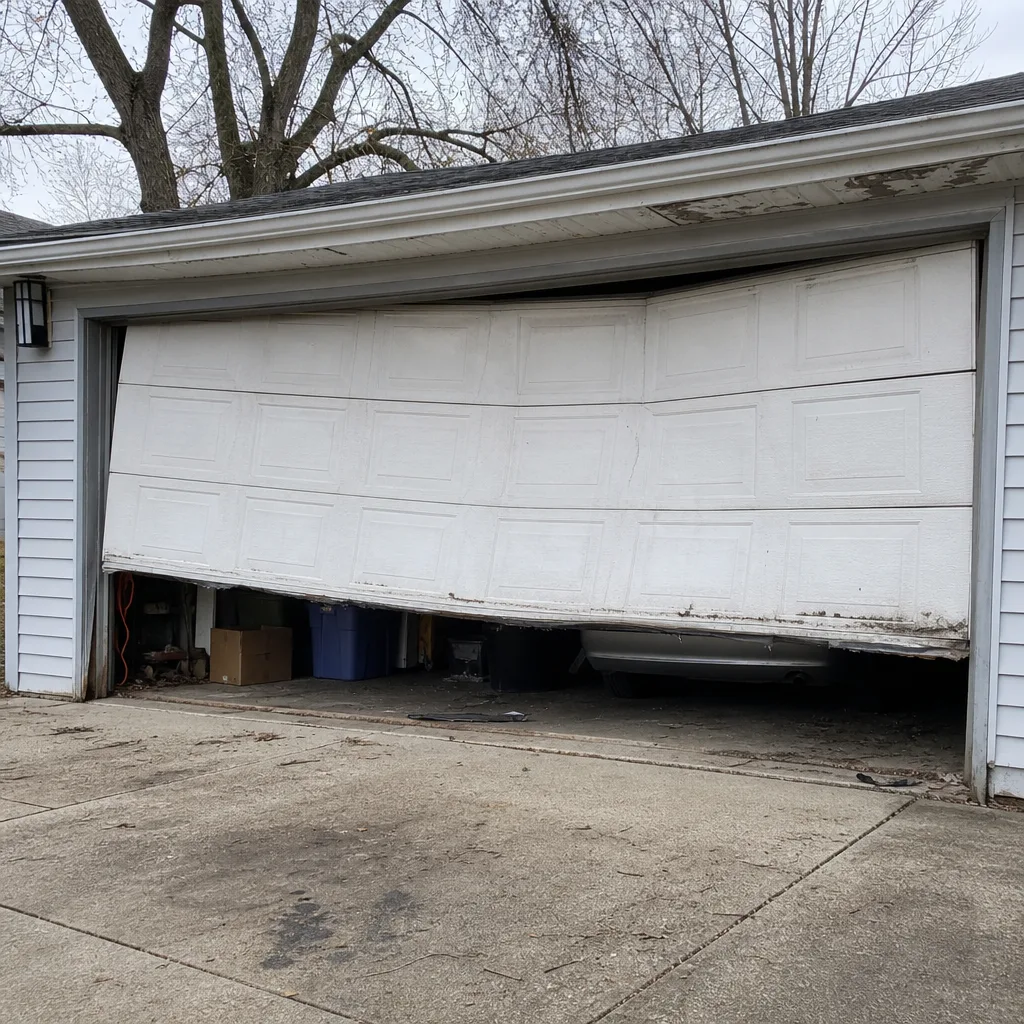 Before
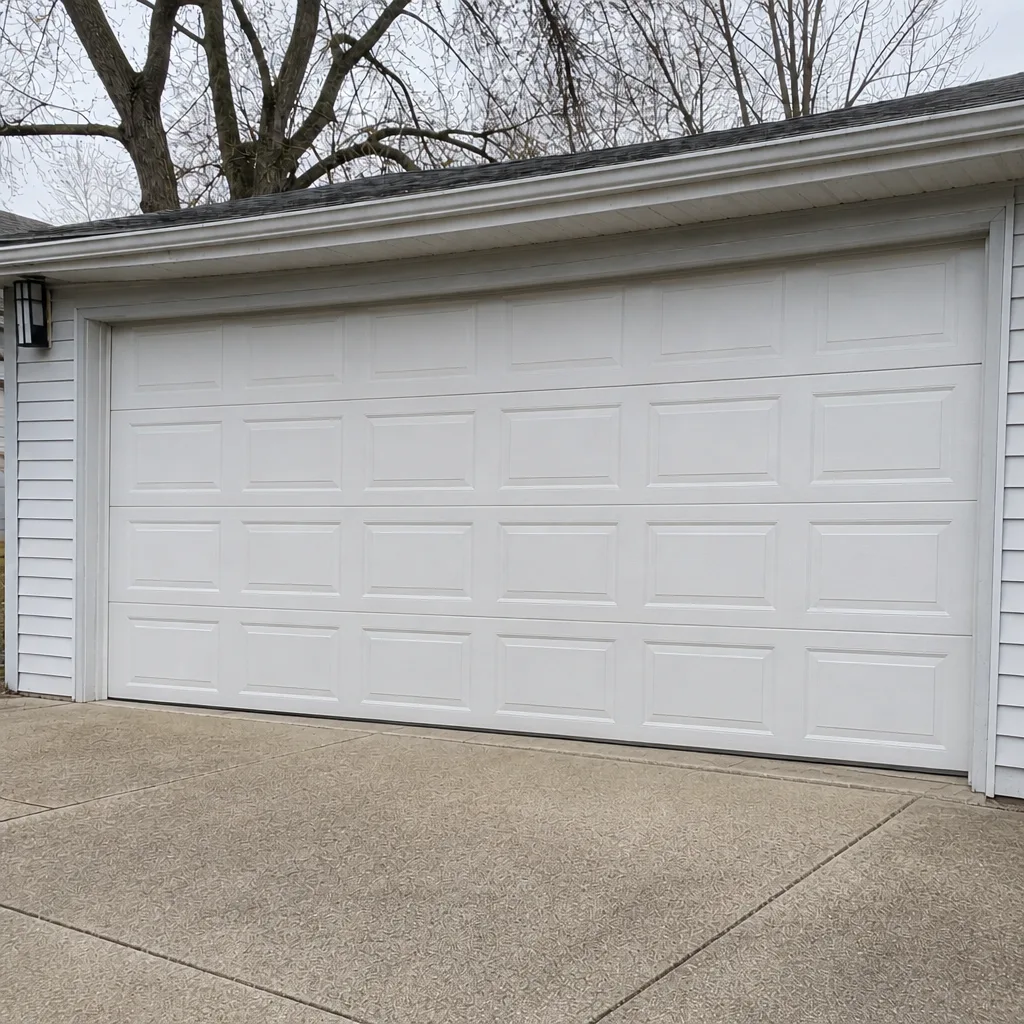 After
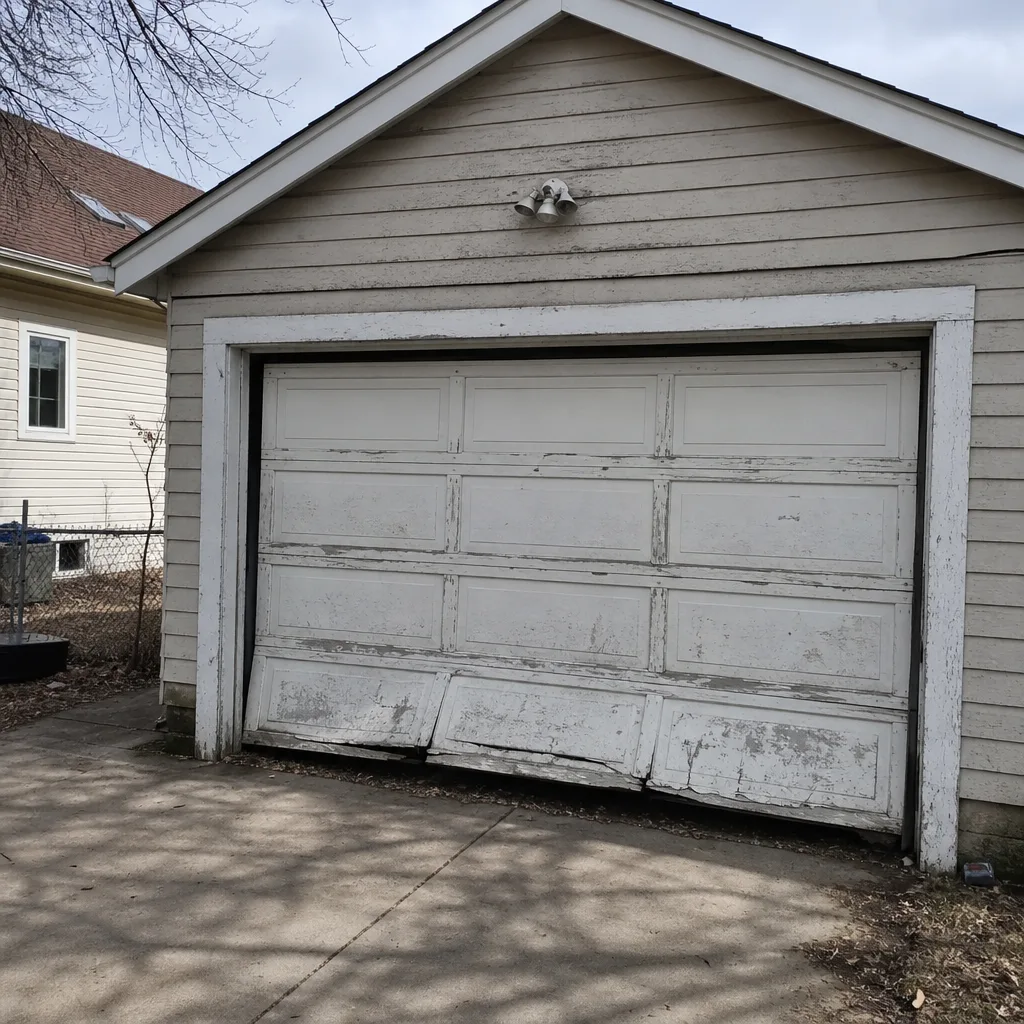 Before
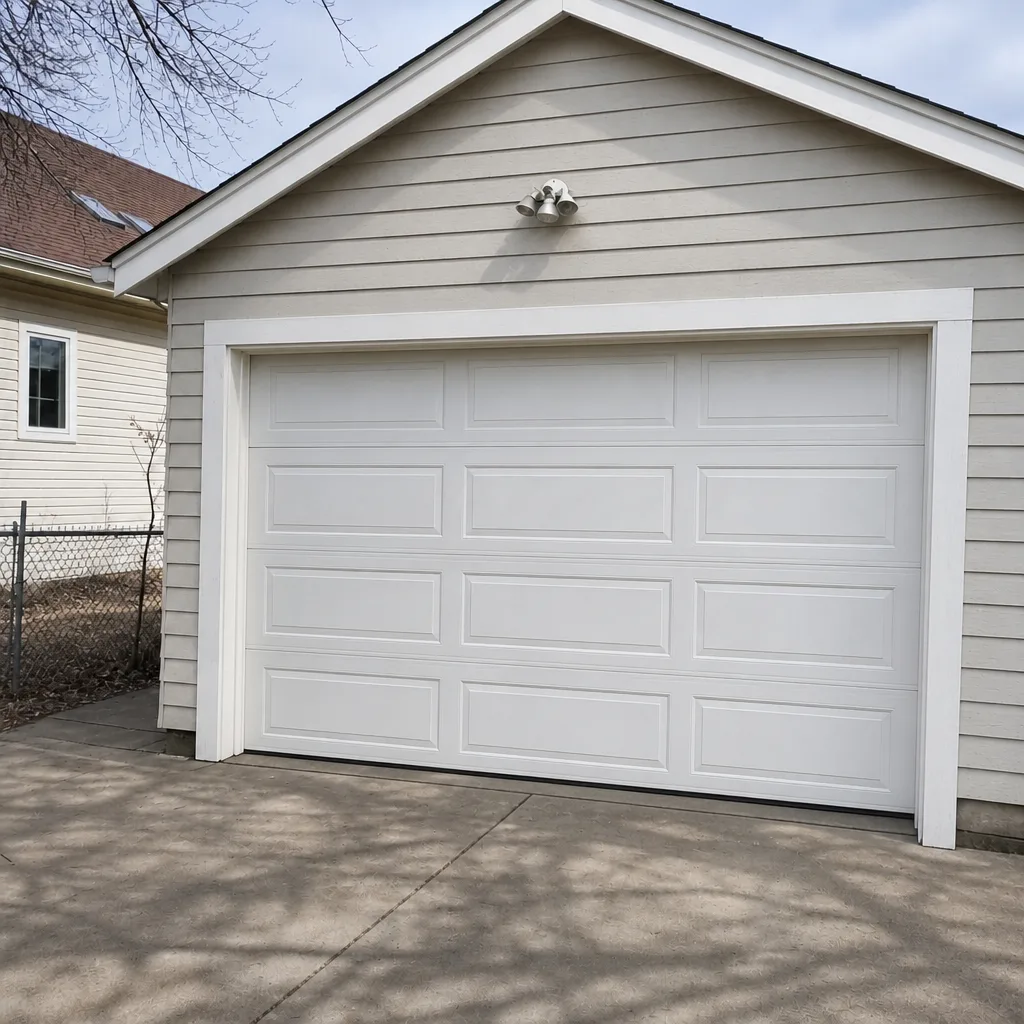 After
Frequently Asked Questions
The mid-October inspection. In Minneapolis’s freeze-thaw climate, most winter breakdowns trace back to a hardware issue that was visible in October but went untreated. Everything else is maintenance – the October inspection is prevention.
Twice a year is the standard: once in October before the cold and once in late spring. The October pass matters most in Minneapolis because cold weather stiffens lubricant, and dry hinges wear faster in the winter months. Use a garage-door-specific white lithium or silicone spray, not WD-40.
Thaw it with warm (not boiling) water along the seal line, disconnect the opener first, and never pry it open. After it opens, clear the seal and apply a silicone spray to reduce refreezing. A door that freezes repeatedly usually has a worn bottom seal – replacing it in October prevents the problem next winter.
Mostly, yes. The swelling itself can’t be eliminated – wood absorbs moisture – but proper paint and seal maintenance lets it swell without binding or cracking. Repaint in early fall, reseal in spring, and check the bottom seal every June. Minneapolis humidity is manageable with a maintenance rhythm.
Spring stretch, track misalignment, hinge wear, and seal damage. In Minneapolis the ground moves significantly during thaw, and that can throw the door’s alignment out. If the door rubs on one side, opens more slowly than it did in the fall, or the hinges look loose, get it looked at now – not in October.
We service and install doors and openers from eight widely installed residential brands, including LiftMaster, Chamberlain, Genie, Clopay, Amarr, Wayne Dalton, Craftsman, and Raynor. The vast majority of Minneapolis home openers fall into the LiftMaster, Chamberlain, Genie, or Craftsman families. Call (855) 213-4171 for a free estimate – we’ll work on the brand already on your home.
The Bottom Line
Seasonal garage door care in Minneapolis isn’t four equal seasons of effort. It’s one important inspection in October, one lubricant and seal pass before the freeze, and three shorter check-ins across the year to catch what winter and summer left behind. That’s the shape of it. A homeowner who does the October inspection thoroughly will prevent most of what goes wrong in February. A homeowner who skips it will spend the winter reacting instead of managing. The calendar system takes 20 minutes to set up and saves hours of emergency calls. If anything looks off – springs, cables, opener noise, seals – don’t wait for the next seasonal window. Call Parkway Garage Door Repair at (855) 213-4171 for a free estimate. We answer 24/7. Fast dispatch from 7am to 7pm, Sunday through Friday.
Written by the team at Parkway Garage Door Repair.