
Last updated November 15, 2026
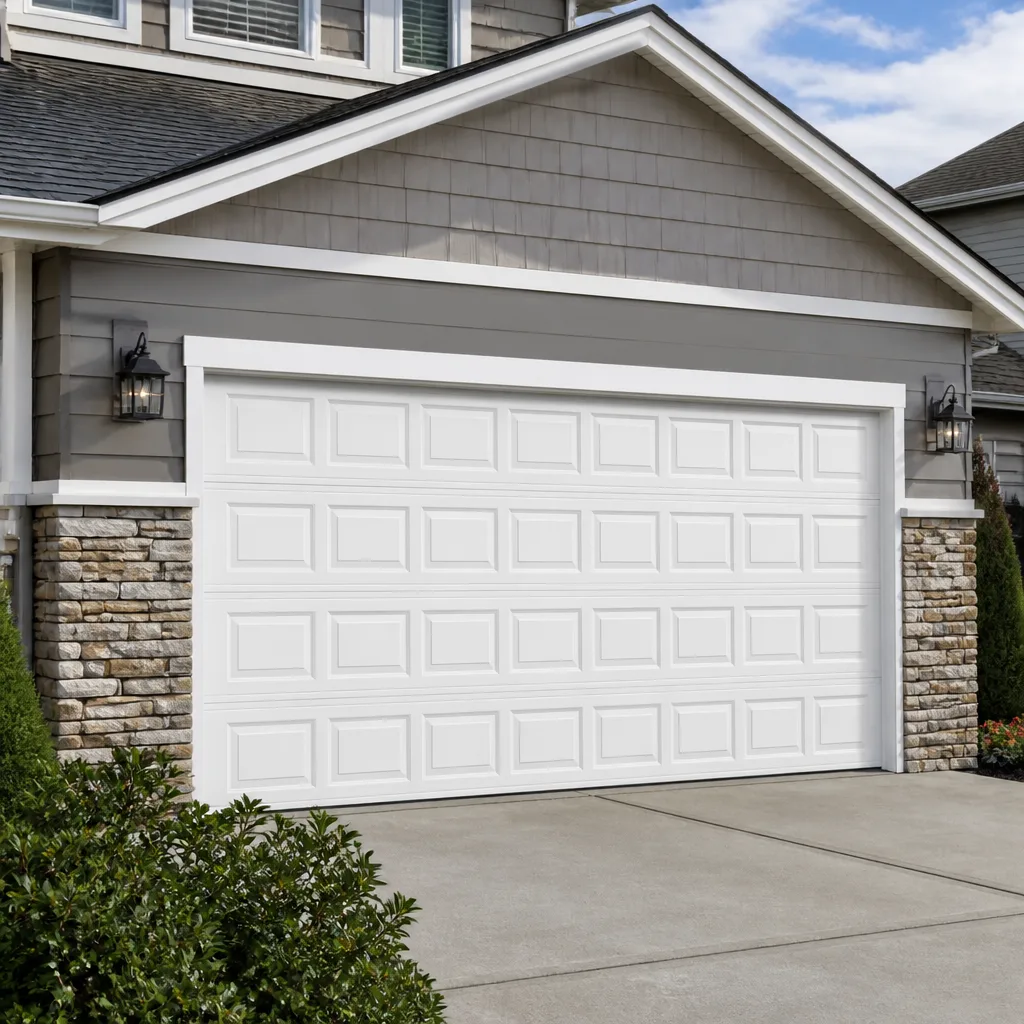 Raised-panel steel
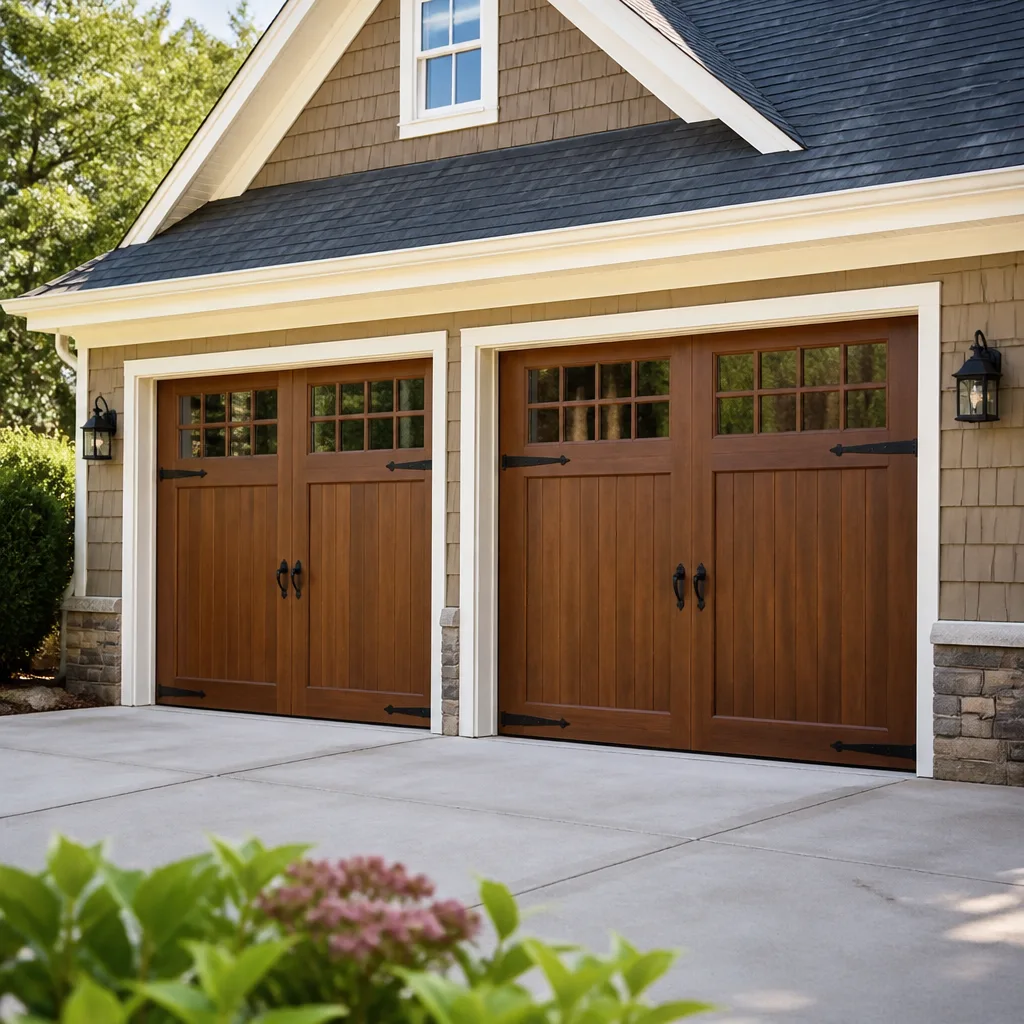 Carriage house
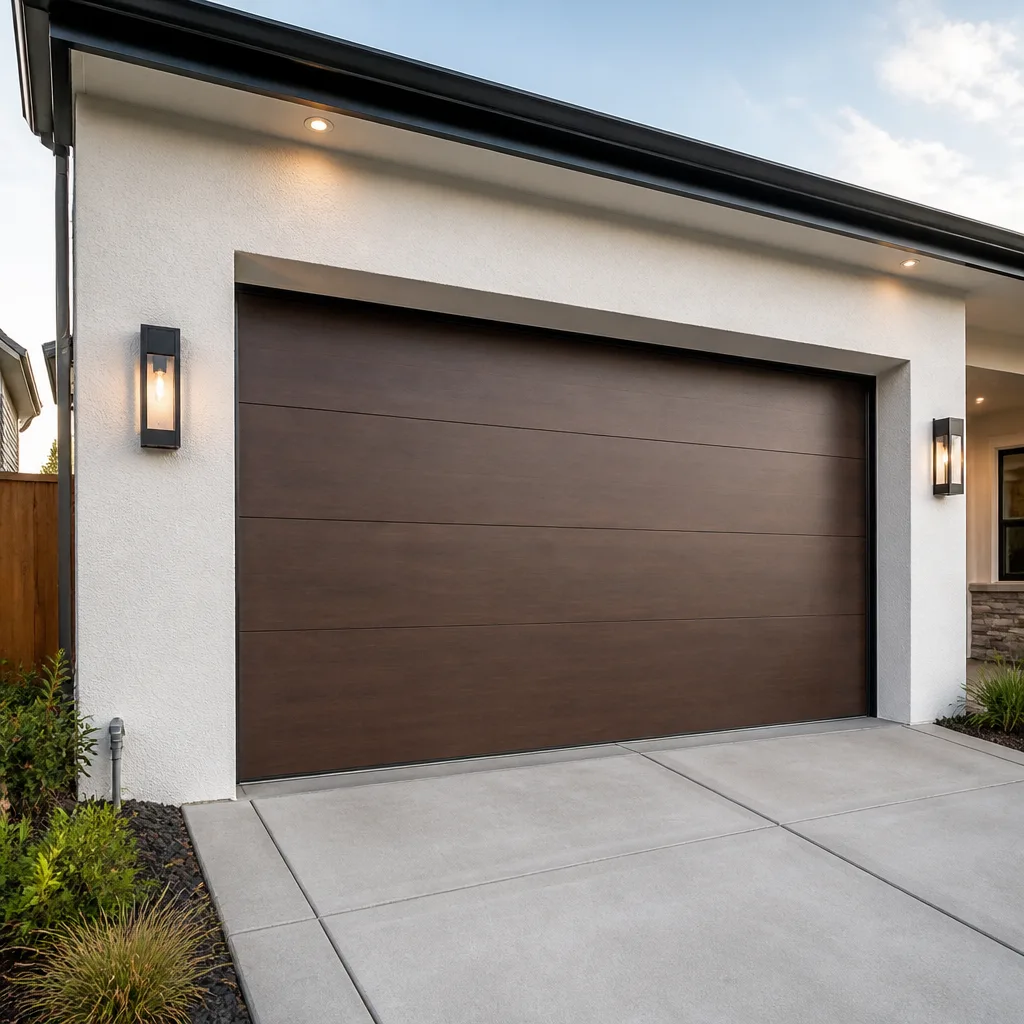 Modern flush
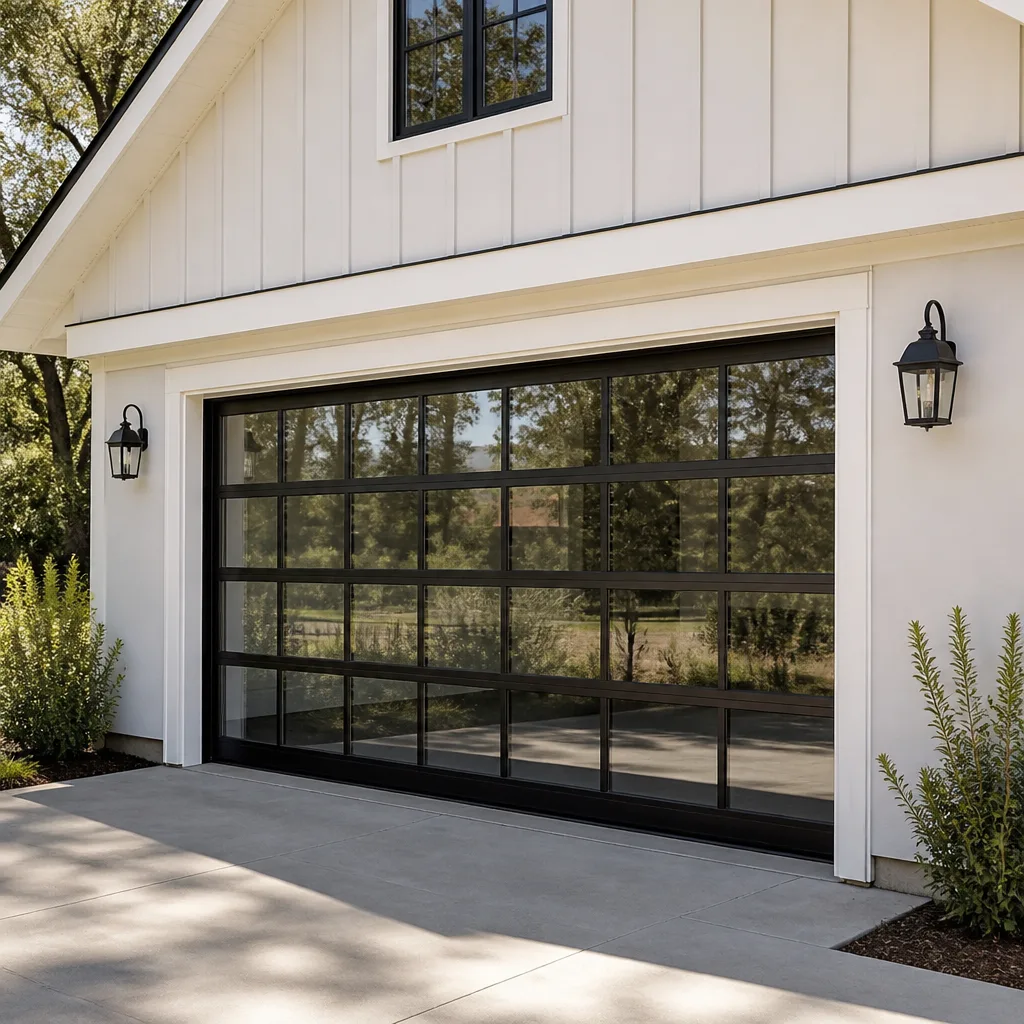 Full-view glass
 LiftMaster openers
 Chamberlain openers
Full 25-point door and opener safety check with every visit - springs, cables, rollers, tracks, and your LiftMaster or Chamberlain opener included
You get a price before we start. It does not change when the pro arrives.
Get your free estimateChoosing the Right Garage Door Brand: A Buyer’s Guide for Minneapolis
Most “best garage door brand” lists are written for a national audience, and several of the manufacturers they rank at the top run thin authorized service networks in the Twin Cities. That matters more than any spec sheet: if the closest technician who can honor a warranty on your new door is driving in from outstate, a simple spring or panel issue can turn into a wait. Here’s the part the marketing skips. The brand name on the box is a starting point, not the finish line. What actually determines how a door performs through a Minneapolis winter, and how easily it gets fixed five years from now, is the specific model line you choose, how well it’s matched to your garage, and whether local professionals can service it. This guide walks through all three.
Quick Answer
For most Minneapolis homeowners, the best garage door brand is the one with a strong local service and parts network and a model line built for cold-climate performance – typically a polyurethane-insulated steel door at 24-gauge or heavier, from a manufacturer your installer can still source parts for years down the road. Brands like Clopay, Amarr, LiftMaster, and Chamberlain all have solid footing in the Twin Cities market, but two doors from the same brand can perform very differently depending on the product line. Choose the line, verify local service, then pick the logo.
Styles & brands we work with
- Raised-panel steel
- Carriage house
- Modern flush
- Full-view glass
- LiftMaster openers
- Chamberlain openers
Table of Contents
- Why Brand Names Matter Less Than You Think
- The Service-Network Question: Who Fixes It in Five Years?
- Insulation Specs: Polyurethane vs. Polystyrene for a Minneapolis Garage
- Steel Gauge Reality: Why 24-Gauge Is the Practical Minimum Here
- Model Lines vs. Brand Loyalty: Two Doors, Same Logo, Different Performance
- Matching Your Opener to Your Door
- A Step-by-Step Way to Choose
Why Brand Names Matter Less Than You Think
Garage door manufacturers compete on the same handful of features: steel gauge, insulation type, hardware quality, and warranty length. The gap between the top brands on those measures is narrower than a glossy brochure suggests. What separates a good outcome from a frustrating one isn’t usually the logo on the door. It’s whether the specific model line you picked fits your garage’s thermal profile and structural opening, and whether the people servicing it know that line well.
This is where a brand-agnostic approach pays off. We work on what’s already on your home rather than steering you toward one product for margin reasons. That means we spend more time comparing model lines within Clopay, Amarr, Wayne Dalton, or Raynor than we do arguing that one brand beats all others. In our experience across Minneapolis, the doors that hold up best are the ones matched carefully to the space, not the ones with the most recognizable name.
One more thing worth flagging: brand reputation built on commercial or high-end custom products doesn’t always transfer to the $1,200 residential line at the home center. A manufacturer’s most famous door and its most common door can come from very different design and supply chains.
The Service-Network Question: Who Fixes It in Five Years?
This is the question almost nobody asks at the point of sale, and it’s the one that catches homeowners off guard. A door can carry a lifetime warranty on paper and still be hard to repair locally if the brand depends on regional distributors with long lead times and a thin list of authorized service providers in the metro. Before you commit to a brand, verify that local professionals can get parts for it and service it regardless of who installed it.
Here’s how to run that check yourself:
- Ask the installer which manufacturers they’re trained on and can source parts for, and get the answer in writing on the quote.
- Search the brand name plus “service” and your city to see whether local repair companies list it as supported.
- Ask directly: “If I need a spring, cable, or panel in five years, can you get it for this exact model line?”
- Confirm the warranty process – who files the claim, and whether it depends on a single installer staying in business.
- Check whether your chosen line has been around long enough that aftermarket parts exist, or whether it’s a short-run design.
Brands with deep roots in the residential market – LiftMaster and Chamberlain on the opener side, Genie for openers, Clopay and Amarr for doors – tend to have recognizable parts channels across the Twin Cities. Newer or niche manufacturers may be excellent products but rely on a smaller distribution footprint. That’s not a dealbreaker. It’s a question you want answered before purchase, not after a cable snaps in January. When we handle garage door repair around Minneapolis, the jobs that go fastest are the ones on brands with local parts availability.
Insulation Specs: Polyurethane vs. Polystyrene for a Minneapolis Garage
Manufacturers lean hard on R-value in their marketing, and it’s easy to read those numbers and stop there. The insulation type behind the number matters more for a Minneapolis attached garage. Two doors can advertise similar R-values and behave very differently in a Minnesota winter, because of how the core is built and how it’s bonded to the steel.
- Polyurethane core: Denser, bonded firmly to the steel skins, and generally the better performer in cold climates. It also resists moisture better, which matters through freeze-thaw cycles.
- Polystyrene core: Lighter and often cheaper, with panels that can be less rigid and more prone to the seams showing movement over many seasons. Fine for a detached, unheated garage, less ideal for an attached garage you’re trying to keep warmer.
- Steel backed by an insulated core: The combination that keeps the door from acting like a giant heat sink against the house wall, especially with an attached garage sharing a wall with the living space.
The R-value that really counts is the whole-door assembly, not the panel in isolation – the frame, the seams, and the weatherstripping around the opening all leak heat if they’re weak. A high R-value on a door that fits loosely doesn’t help much. Match insulation to how you use the garage. If it’s attached, heated, or used as a workspace through the cold months, polyurethane is worth the step up. If it’s a detached storage garage, a lower-insulation line may be money better spent elsewhere.
Steel Gauge Reality: Why 24-Gauge Is the Practical Minimum Here
If there’s one spec to check first, it’s steel gauge. Thinner steel is cheaper and lighter, and in a mild climate it can serve fine. In Minneapolis, the door runs through a wide temperature swing from summer to deep winter and back, and the metal flexes with every cycle. Thin panels dent more easily, oil-can under load, and show every hinge and roller stress point. Make 24-gauge the practical floor for a Minneapolis installation, and expect to see 25- or 27-gauge on the cheapest builder-grade doors. Those can work in a low-use setting but tend to underperform here.
Gauge is easy to overlook because many listings bury it or leave it off entirely. Check the manufacturer’s spec sheet for the model line, not just the brand page. Within a single brand you’ll usually find a builder line at 25- or 27-gauge and a heavier line at 24-gauge or thicker – same logo, meaningfully different door. When the gauge isn’t published, ask. A brand that hides the spec on a cold-climate recommendation is telling you something.
Heavier steel also pairs better with the hardware: heavier hinges, a stronger bottom bracket, and torsion springs sized for the added weight. If a thin door and a light spring are paired with a low-torque opener, you get more frequent adjustments and faster wear across the whole system.
Model Lines vs. Brand Loyalty: Two Doors, Same Logo, Different Performance
Brand loyalty is the wrong instinct here. Two doors stamped by the same manufacturer can have dramatically different cold-climate performance because they’re built to different specs for different price points. A homeowner who had a great experience with a premium line from a brand may buy the entry-level line ten years later and get a very different product under the same name.
What to compare, line to line:
- Steel gauge and panel construction: 24-gauge or heavier, with reinforced hinges and a steel bottom bracket rather than plastic.
- Insulation type and core bonding: polyurethane for an attached garage; polystyrene only if the space is unheated and detached.
- Warranty specifics: read what’s covered and for how long on the section and hardware, not just the door shell.
- Hardware quality: torsion springs, rollers, and hinges are the parts that fail first, and a premium door with cheap hardware is a compromise dressed up.
- Parts availability in the metro: a popular line makes future repairs and replacements easier to source.
We’ve seen this play out in Minneapolis plenty. Two neighbors on the same block buy “the same brand” a decade apart, and one door still runs quietly while the other needs constant adjustment. The difference usually isn’t the logo. It’s the line and the matching to the space. Compare model specs side by side, and don’t let brand recognition stand in for the numbers.
Matching Your Opener to Your Door
Your opener is part of the brand decision, and it’s the piece homeowners think about last. The opener has to be sized for the door’s weight and balanced correctly, and the brand affects how easy routine service is. LiftMaster, Chamberlain, Genie, and Craftsman together cover the overwhelming majority of openers already installed in Minneapolis homes, which is why we’re trained across all four. That’s also why diagnosis and repairs go faster – we don’t have to special-order parts or guess at the setup.
Here’s the practical order of operations:
- Confirm the door’s weight and confirm it’s balanced by hand with the opener disconnected (only a trained technician should test the torsion spring side).
- Size the opener to the door’s weight and check its lifting capacity, not just its horsepower label.
- Match the opener brand to one with strong local parts and service support so a future board or gear failure is a quick fix.
- Have a professional verify the safety reverse and force settings after installation – this is where a poor install shows up.
A common mistake is upgrading the door and keeping an old, undersized opener – or the reverse. Either way, the mismatch shows up as strain, noise, and faster wear. When we do garage door opener repair anywhere in Minneapolis, a good chunk of the work is correcting that mismatch, not a failed part. A trained technician should assess the torsion spring side of the door; it’s under high tension and dangerous to handle without the right tools and experience. We don’t recommend DIY on springs or cables under any circumstances.
A Step-by-Step Way to Choose
Pull all of this into one sequence you can work through before you commit to a brand and a line.
- Measure the opening and note the space above and beside it. Your available headroom and side room dictate which door types and opener setups will fit cleanly, before brand even comes up.
- Decide how the garage is used. Attached and heated calls for a polyurethane-insulated, 24-gauge-or-heavier door; detached and unheated opens up a wider, cheaper set of options.
- Shortlist two or three model lines, not brands. Compare steel gauge, insulation type, and hardware across lines from Clopay, Amarr, Wayne Dalton, or Raynor.
- Verify the local service network in writing. Ask each installer which lines they can service and source parts for, and whether they’d still be able to years from now.
- Check opener compatibility. Size the opener to the chosen door, and lean toward LiftMaster, Chamberlain, Genie, or Craftsman for reliable local service.
- Get a free measure and a written price. A reputable installer will confirm the opening, the structural fit, and the model line, then put the number in writing before anything is ordered.
If you’re in Minneapolis and want a straight read on which lines fit your garage, that first step is a free estimate. We work on your brand and we’ll compare options honestly instead of steering you to one product. You can also explore more about how we serve homes across Minneapolis if you want to see what a full assessment covers.
Common Mistakes to Avoid
- Choosing a brand from a national “best of” list. Several top-ranked manufacturers have thin authorized service networks in the metro, so a warranty repair can mean a long wait. Check local service before you commit.
- Reading the R-value and stopping there. A high number on the spec sheet doesn’t help if the core is polystyrene on an attached garage or the door fits loosely. Compare insulation type and the whole-door assembly.
- Ignoring steel gauge. Builder-grade doors at 25- or 27-gauge dent and flex more through Minnesota’s freeze-thaw cycles. Treat 24-gauge as the floor for this climate.
- Staying loyal to a brand but picking the entry-level line. Two doors from the same manufacturer can be built to very different specs, and the premium reputation doesn’t transfer to the cheap line.
- Not asking who can fix it later. The installer who sells you the door isn’t necessarily the one who can service the brand in five years. Confirm the parts channel in writing.
- Upgrading the door and keeping an undersized opener. The mismatch strains the opener and the door. Balance and sizing happen together.
- Handling the springs or cables yourself. Torsion springs and cables are under extreme tension and can cause serious injury. That part always belongs to a trained professional.
See the difference
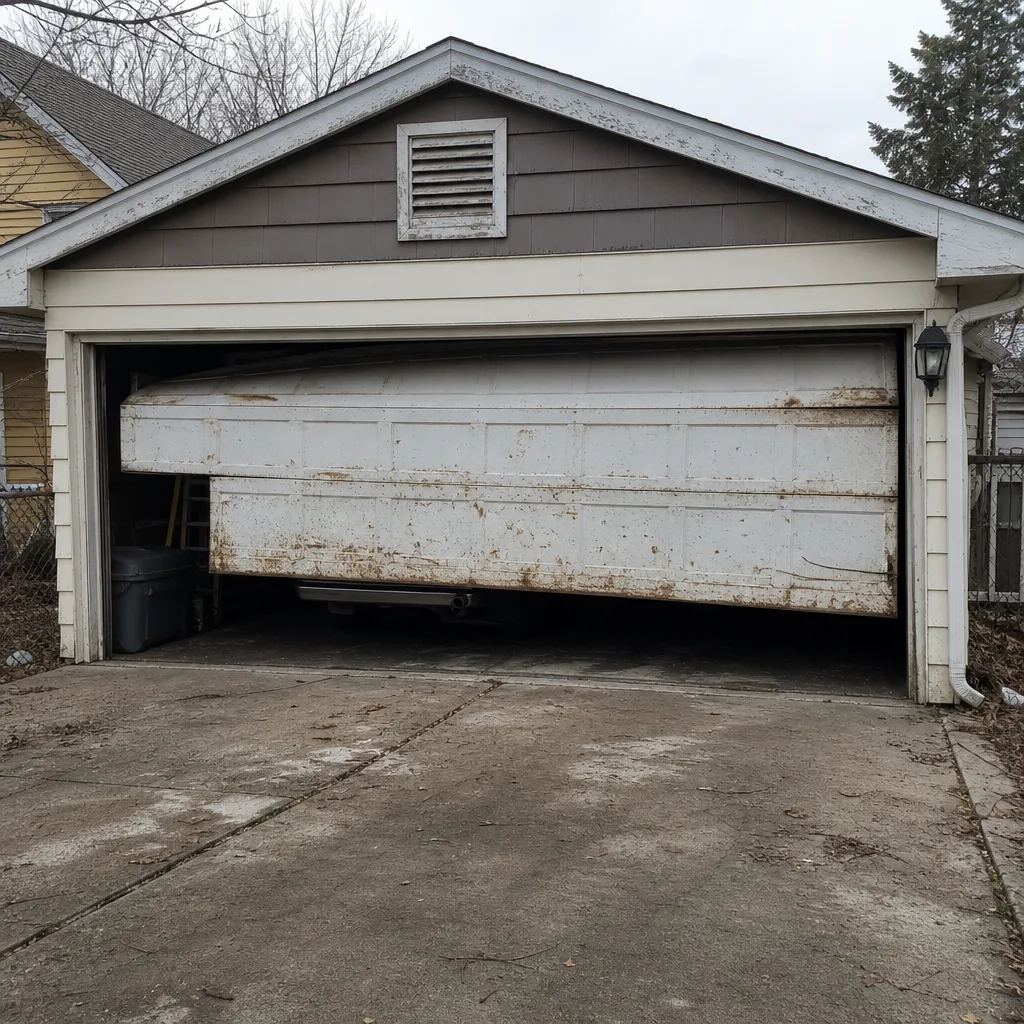 Before
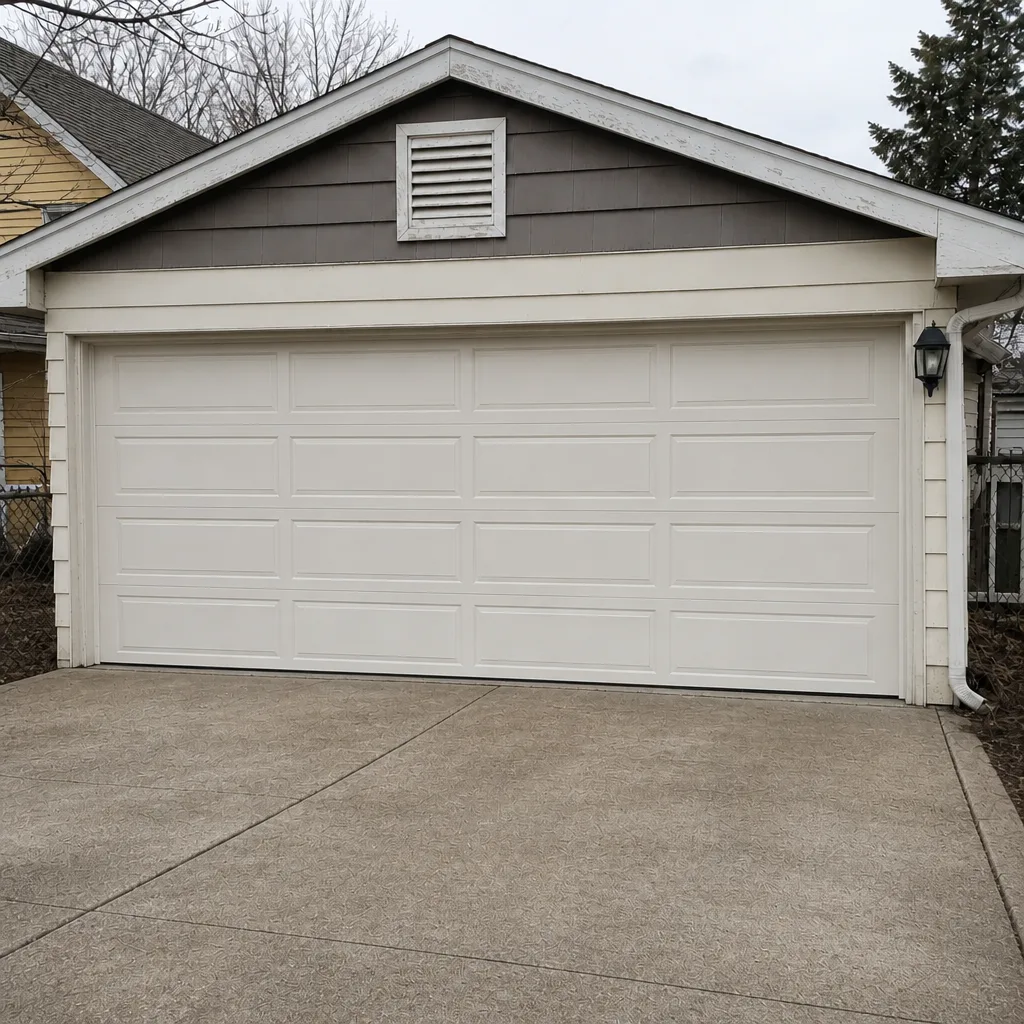 After
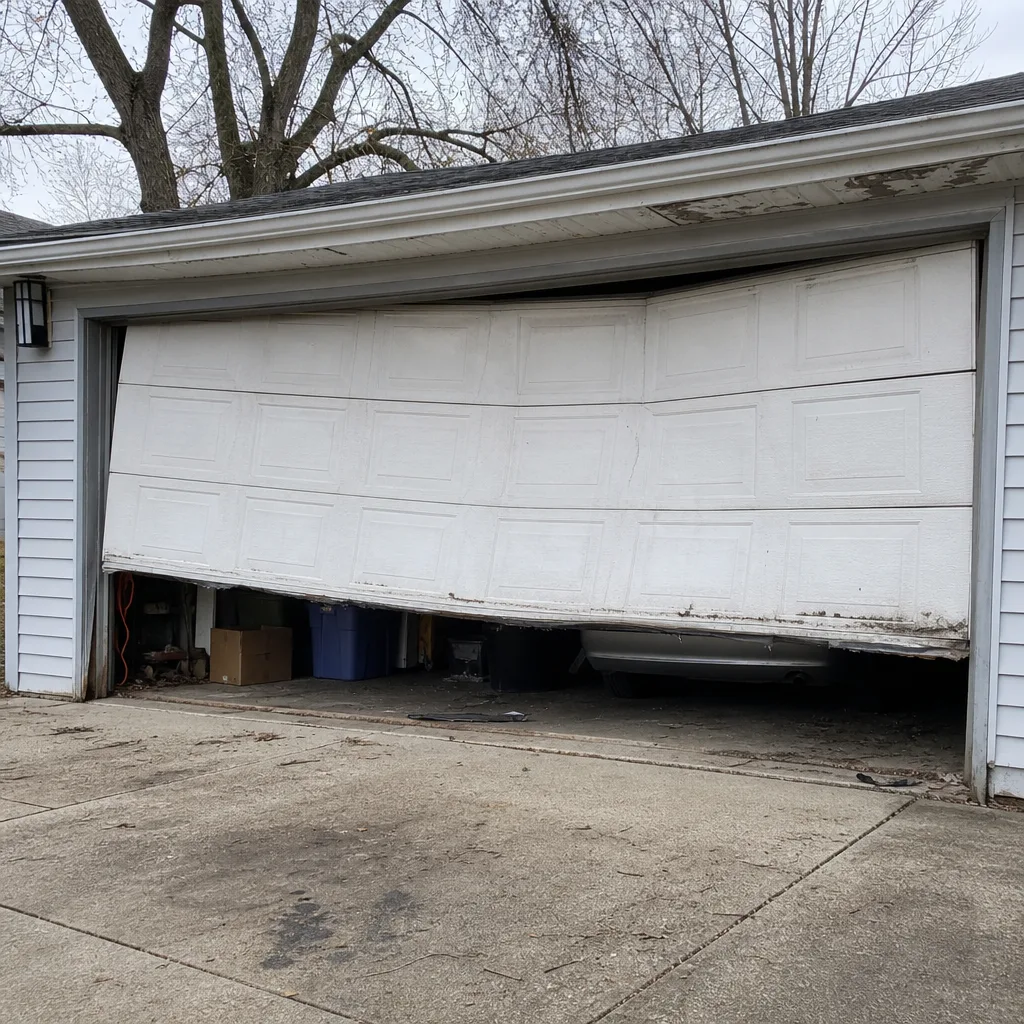 Before
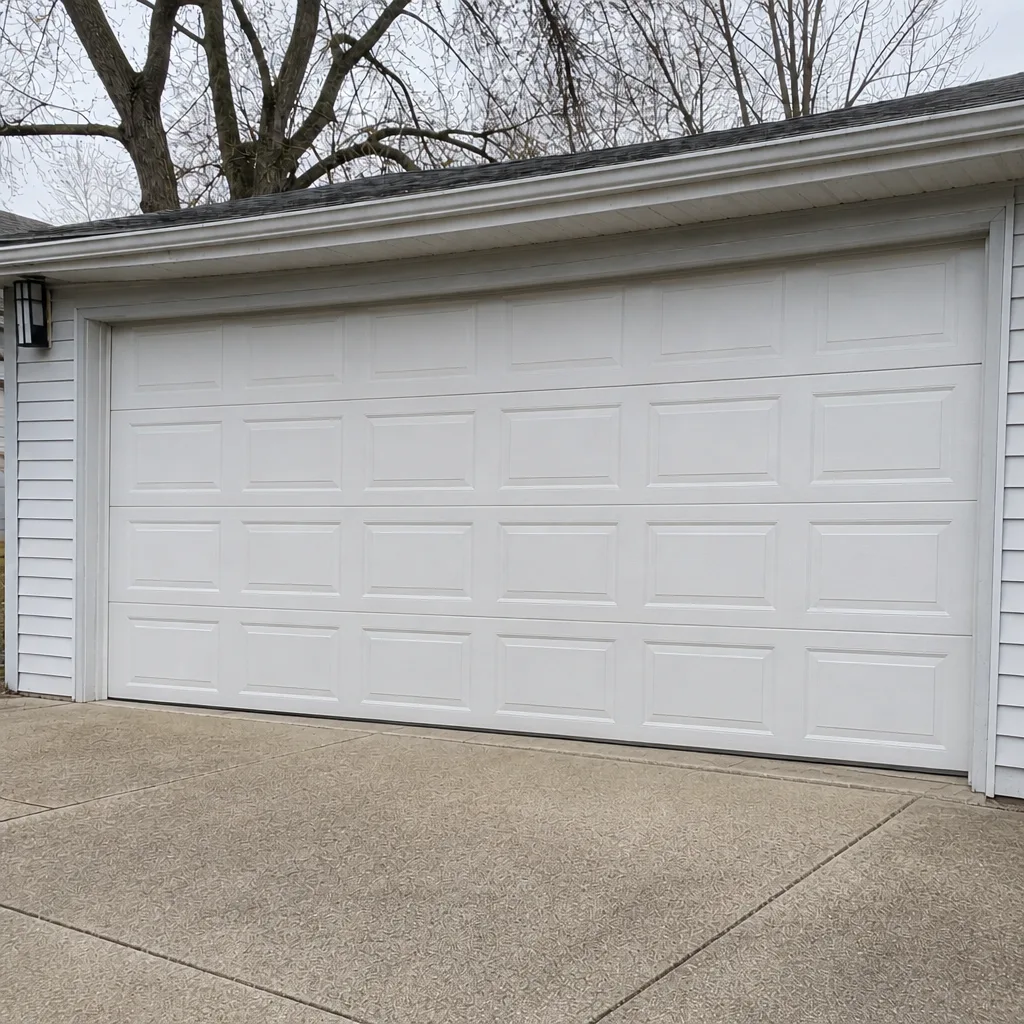 After
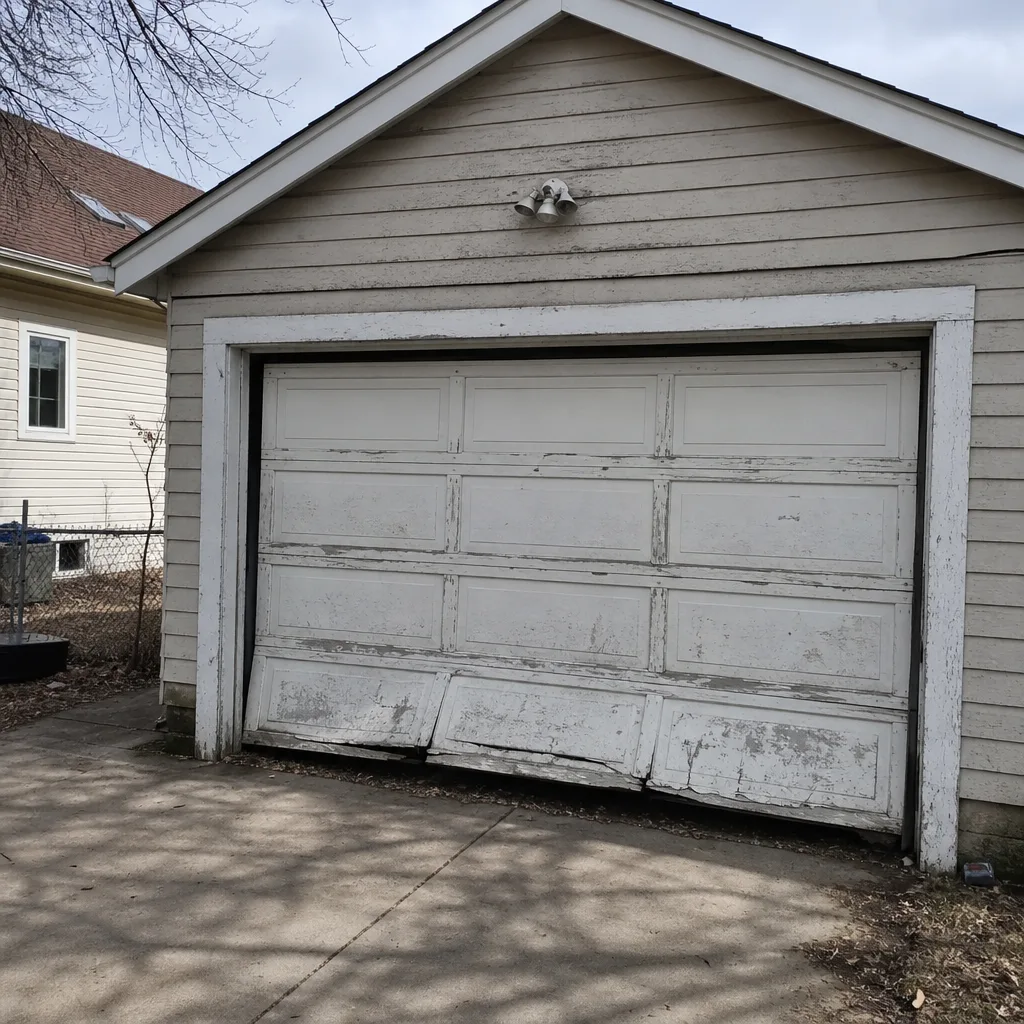 Before
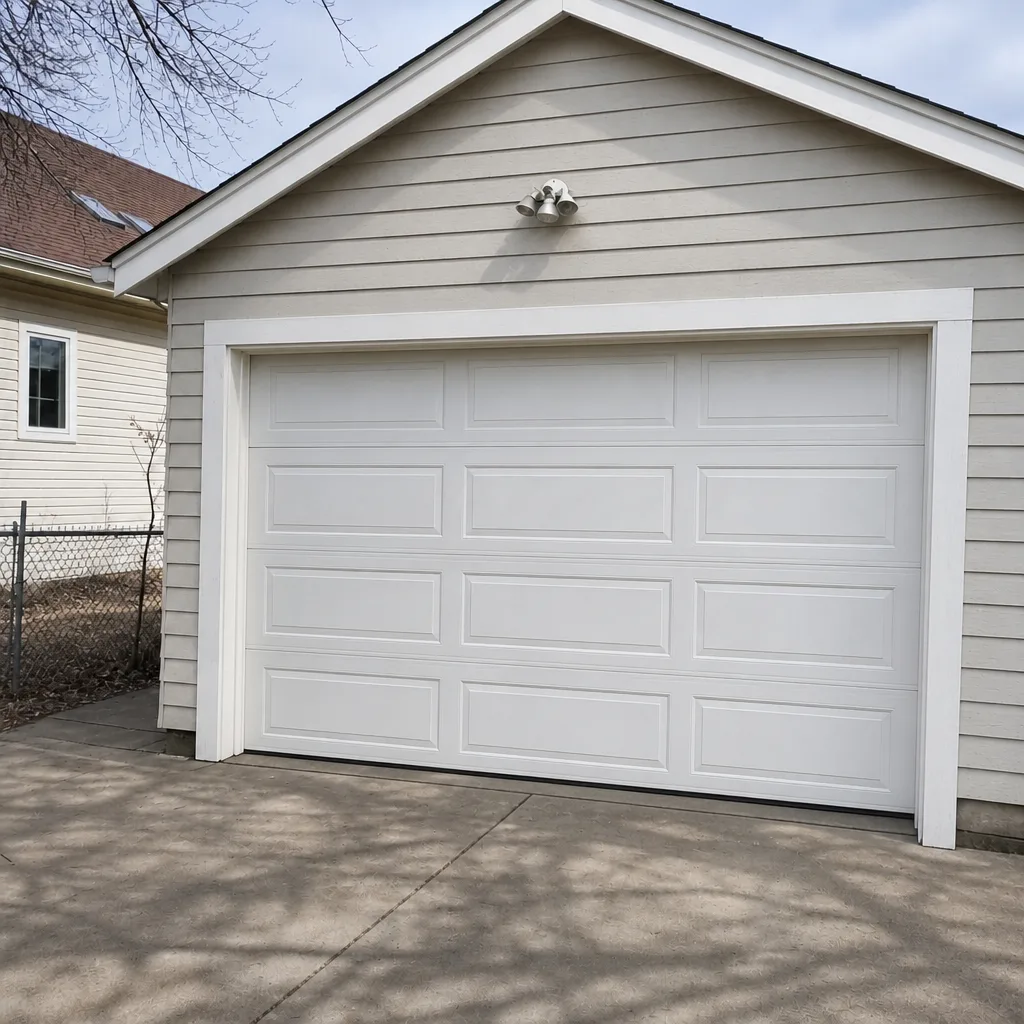 After
When to Call a Professional
Some jobs are about choosing a branded door; others are about the system on your home now. Call a professional when the door won’t balance, the opener strains or reverses without command, the panels are out of alignment, or you’re weighing a new brand and want an honest comparison of model lines before you order. We also handle the reverse case: you already know the brand you want, and you want a free measure and a written price before work starts. Parkway Garage Door Repair offers free estimates in Minneapolis – call (855) 213-4171. We answer 24/7. Fast dispatch from 7am to 7pm, Sunday through Friday. Every price is quoted and agreed before any work begins, and our technicians have up to 8 years of experience across the brands that matter here.
Frequently Asked Questions
There isn’t one single best brand – the best choice is a model line built for cold climates, generally a polyurethane-insulated steel door at 24-gauge or heavier, from a manufacturer your installer can service and source parts for locally. Clopay, Amarr, Wayne Dalton, and Raynor all have solid residential lines suited to the Twin Cities. Pick the line to your garage’s needs, then confirm the local service network. Call (855) 213-4171 for a free estimate on your specific opening.
Ask your installer, in writing, which model lines they service and can source parts for, and confirm the parts channel doesn’t depend on a single installer staying in business. Brands with deep residential presence and wide distribution, such as Clopay and LiftMaster, tend to be easier to keep running locally. A free measure and written quote is a good place to get those answers. Call (855) 213-4171 to talk it through.
Choose polyurethane for an attached, heated, or heavily used garage, and polystyrene only for a detached, unheated space where cost is the priority. Polyurethane bonds more firmly to the steel and handles moisture and freeze-thaw cycles better, which matters through a Minneapolis winter. Compare insulation type alongside the whole-door assembly, not the R-value alone. Call (855) 213-4171 for a free estimate.
Less than most people assume. Two doors from the same manufacturer can perform very differently because they’re built to different specs for different price points, so the model line matters more than the logo. Compare steel gauge, insulation type, hardware quality, and local parts availability across lines. A free measure and written price will show you exactly what you’re getting. Call (855) 213-4171.
No – every price is quoted and agreed before any work starts, so the written estimate is the number you can count on. A free measure confirms the opening, the structural fit, and the model line, and the written price follows from that. We answer 24/7. Fast dispatch from 7am to 7pm, Sunday through Friday. Call (855) 213-4171 for an exact quote; estimates are free.
Treat 24-gauge as the practical minimum for a Minneapolis installation. Thinner builder-grade steel at 25- or 27-gauge can work in a low-use or detached setting but dents and flexes more through wide temperature swings. Ask for the gauge on the model line’s spec sheet, not just the brand page. Call (855) 213-4171 if you want a straight read on what fits your garage.
The Bottom Line
The brand on the box is a starting point, not the whole decision. What holds up in a Minneapolis winter is a model line matched to how your garage is used: polyurethane insulation for an attached, heated space, steel at 24-gauge or heavier, hardware that can take the temperature swings, and an opener sized to the door. Then verify the local service network so a spring or panel in five years is a quick fix rather than a waiting game. Compare lines, not logos, and get the numbers in writing. That’s the order that keeps a door running quietly through the cold months.
When you’re ready to compare model lines or get a written price, call Parkway Garage Door Repair at (855) 213-4171 for a free estimate. We’re glad to work on the brand you own or help you choose the right line for your home.
Written by the team at Parkway Garage Door Repair.