
Last updated November 15, 2026
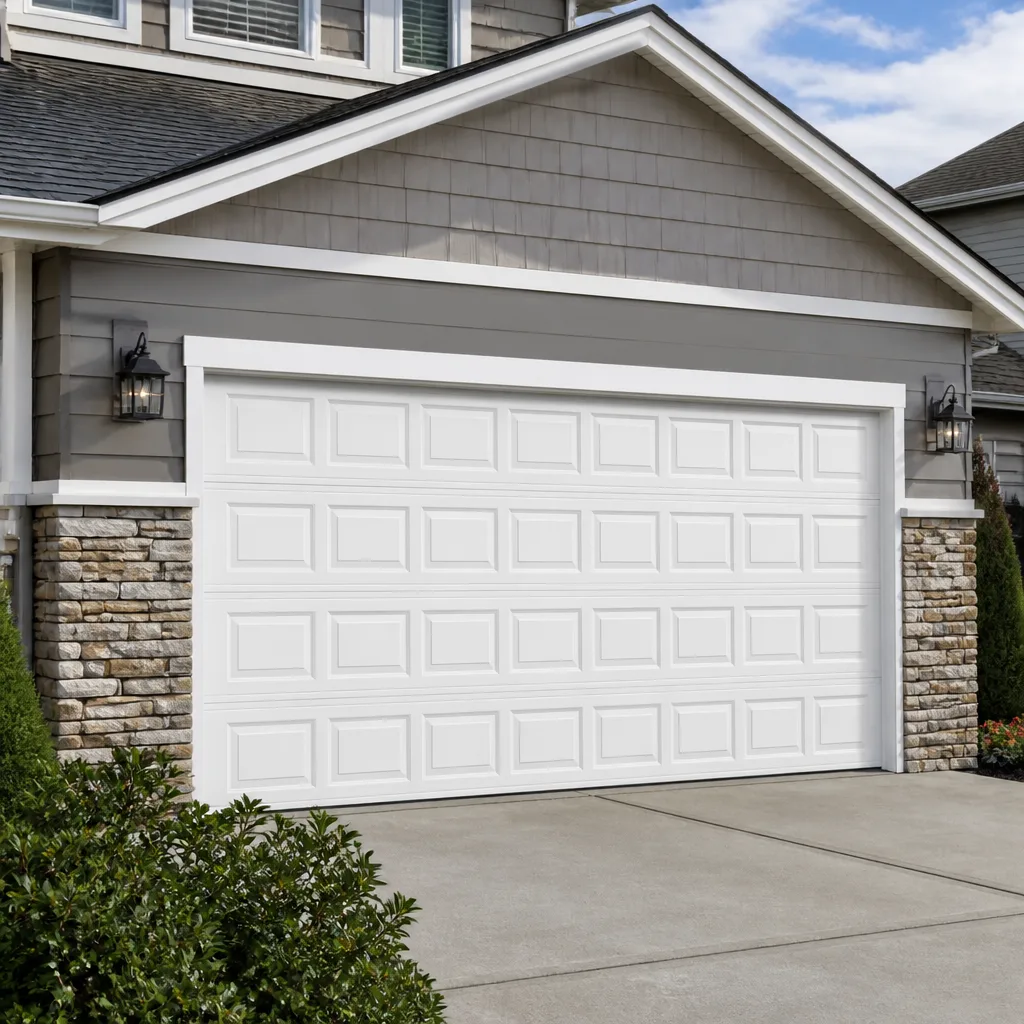 Raised-panel steel
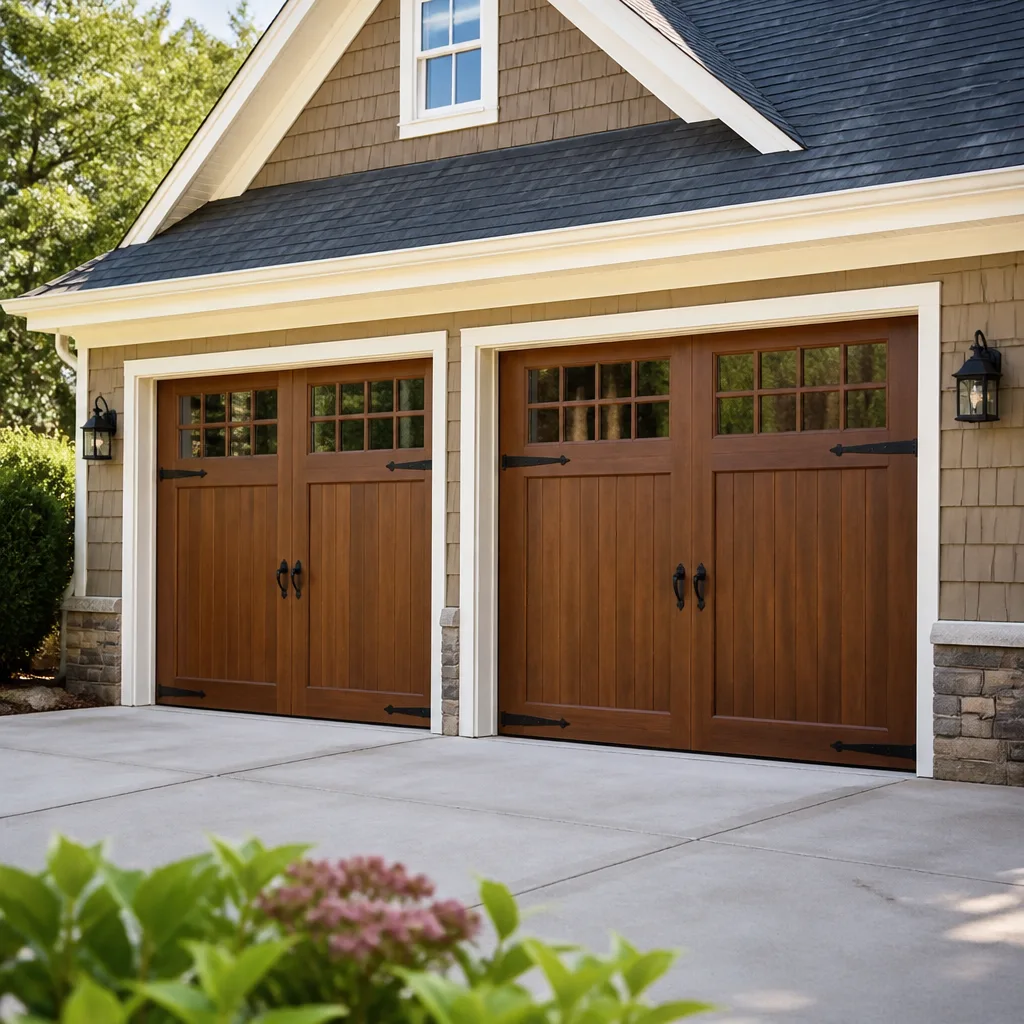 Carriage house
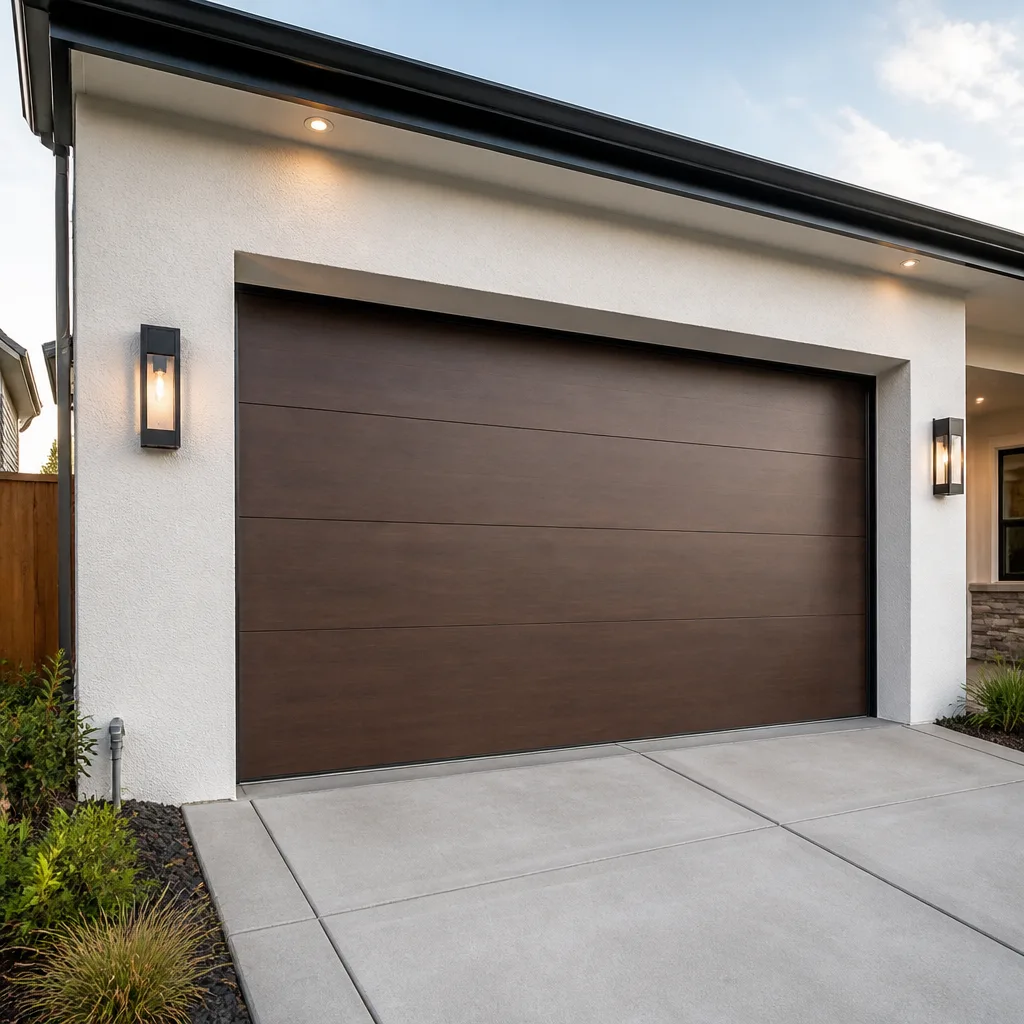 Modern flush
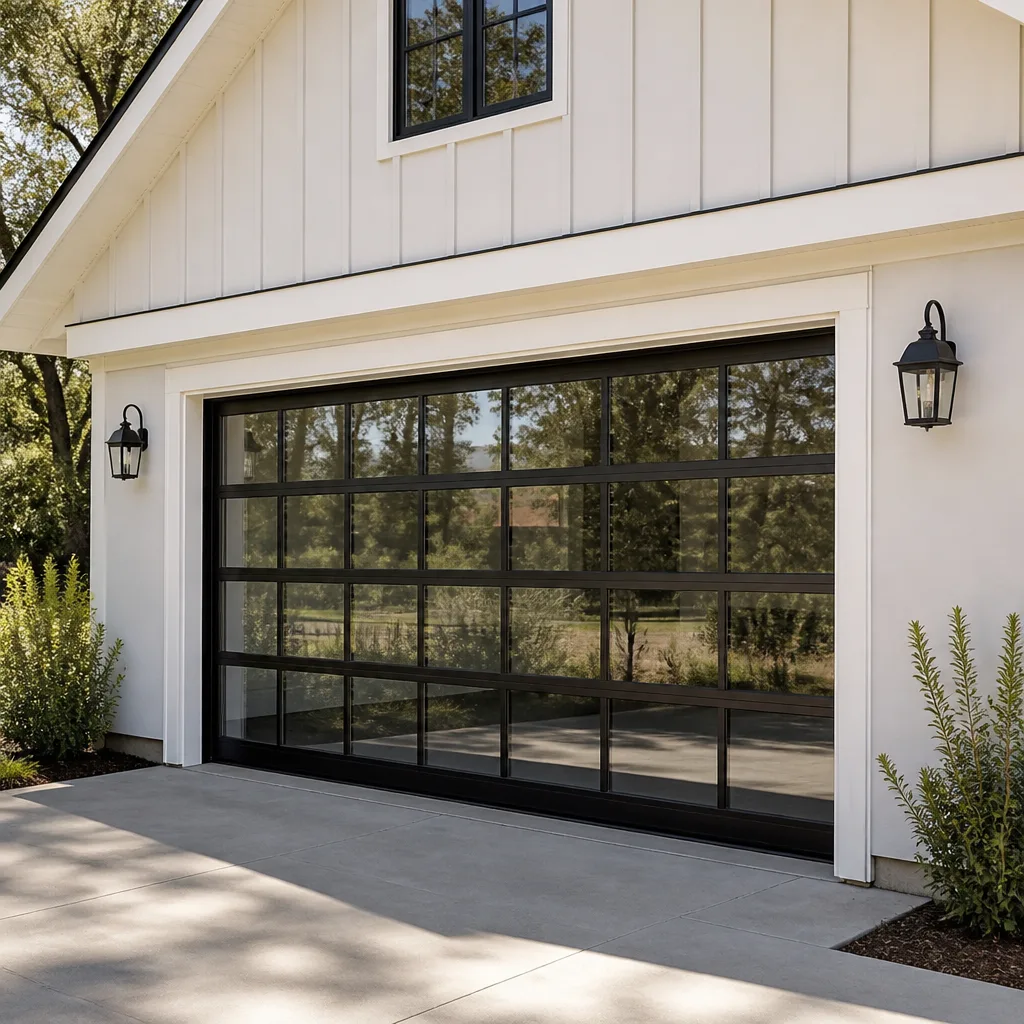 Full-view glass
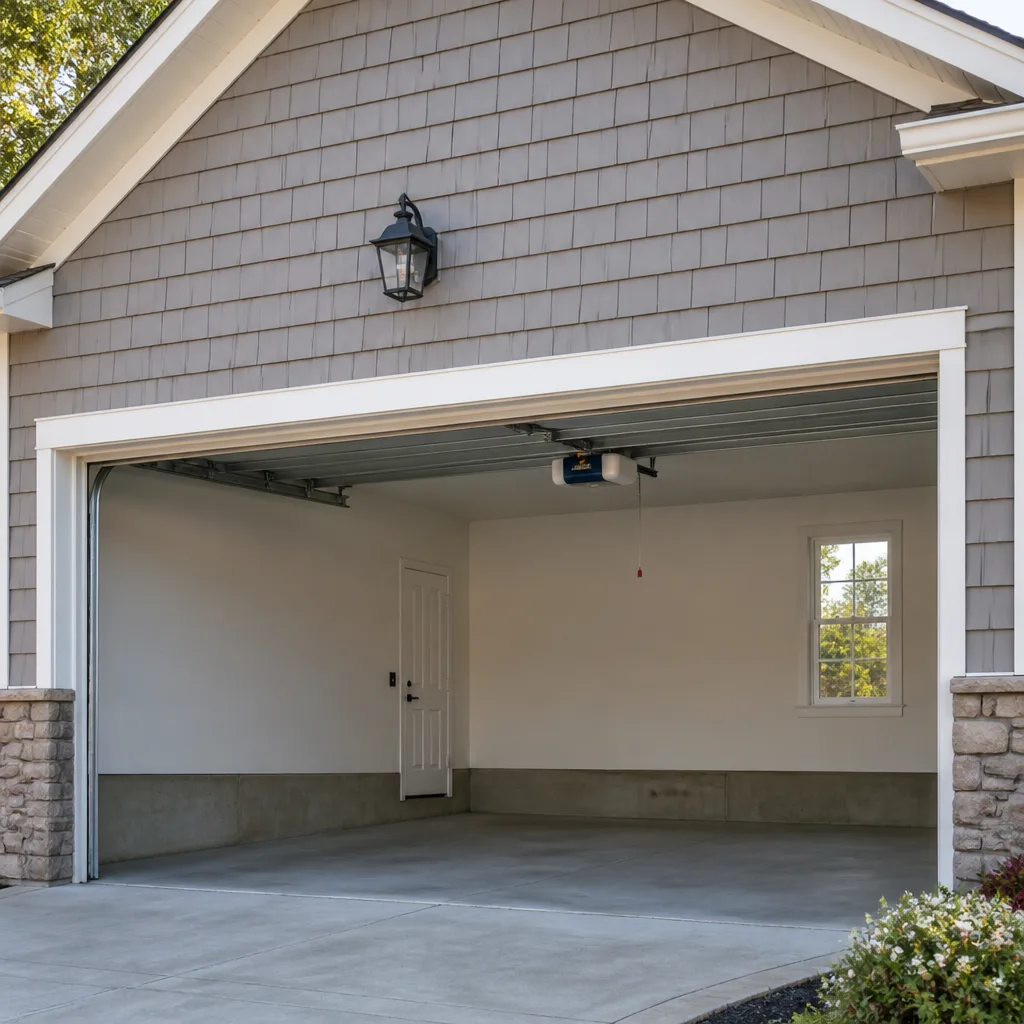 LiftMaster openers
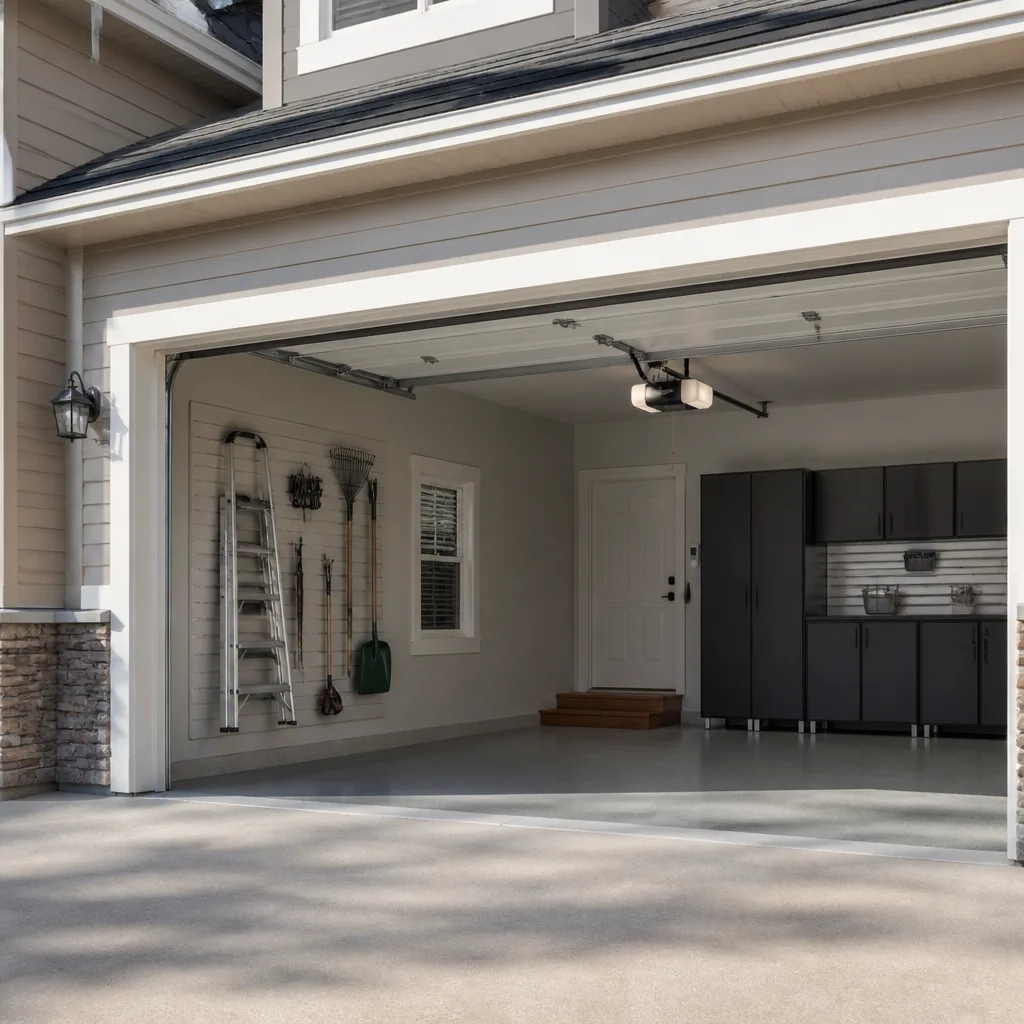 Chamberlain openers
Full 25-point door and opener safety check with every visit - springs, cables, rollers, tracks, and your LiftMaster or Chamberlain opener included
You get a price before we start. It does not change when the pro arrives.
Get your free estimateDIY vs Professional Garage Door: The Minneapolis Homeowner’s Decision Guide
Most homeowners who get hurt or void a warranty on a garage door don’t lack skill. They misjudge which tasks are actually dangerous. A torsion spring stores enough energy to break bones and has killed people, and no amount of mechanical confidence makes that a reasonable weekend project. Meanwhile, a misaligned safety sensor or a remote that won’t pair is a fifteen-minute fix that any careful homeowner can handle. This guide sorts garage door work into three buckets for Minneapolis homes: safe to do yourself, doable with a helper, and hands-off. You’ll learn where the real line is, how winter changes the timing, and how to talk to a technician about hybrids.
Quick Answer
For Minneapolis homeowners, DIY is reasonable for safety sensors, remote programming, lubrication, and cosmetic panel fixes. Anything involving torsion springs, cables, and the high-tension lift system should go to a trained professional. Installation and full-door replacement are scheduled professional work, not a weekend project. Our technicians have up to 8 years of experience with the brands already on Minneapolis homes, and a free estimate costs nothing to get before you decide.
Styles & brands we work with
- Raised-panel steel
- Carriage house
- Modern flush
- Full-view glass
- LiftMaster openers
- Chamberlain openers
Table of Contents
- Where the Real Line Is: Skill vs. Consequence
- What’s Genuinely Safe to Do Yourself
- What to Never Touch: Springs, Cables, and Tension
- The Warranty Argument Nobody Explains
- Why Minneapolis Winter Changes the Timing
- Tools and Parts: What You Can Actually Buy Locally
- How to Have an Honest Hybrid Conversation
Where the Real Line Is: Skill vs. Consequence
Most DIY decisions are framed as a skill question. Can I do this? That’s the wrong test for a garage door. The right test is: if I get this wrong, what happens? Some failures are cosmetic. Some are inconvenient. A few are catastrophic. Sorting the tasks by consequence instead of difficulty is what actually keeps people safe.
A garage door is a stored-energy system. It isn’t just a heavy panel on hinges. The springs, cables, and opener work together to hold hundreds of pounds of weight in balance, and when one part lets go, the rest of the system takes the hit. That’s why a technically capable homeowner can safely rewire a lamp and shouldn’t lay a hand on the torsion bar.
In Minneapolis, that calculation has a seasonal twist. Summer projects forgive a slow, careful pace. A November repair that stalls halfway through leaves the house open to cold air, snow load, and the freeze-thaw cycle that works on any gap in the door seal. The cost of getting it wrong isn’t just injury. It’s several weeks of a partially functioning door in weather that penalizes every draft.
Here’s a simple way to think about the three buckets:
- Green light: safety sensors, remote and keypad programming, lubrication, weather seal replacement, cosmetic panel touch-up, visual inspections.
- Yellow light: track cleaning and minor alignment, hinge and roller replacement (with proper support), replacing a worn bottom seal where the door is fully closed and stable.
- Red light: torsion springs, extension springs, lift cables, drums, and any work that requires releasing tension. Also installation of a new door or opener.
The rest of this guide walks through each one, including what a free estimate costs you (nothing) versus what a DIY misadventure in Minneapolis actually costs in time, injury risk, and lost warranty coverage.
What’s Genuinely Safe to Do Yourself
Plenty of garage door maintenance is well within reach for a careful homeowner with a screwdriver and a ladder. These tasks improve safety and small annoyances, and they don’t involve stored energy or the lift system. If you can change a smoke detector battery, you can probably handle all of these.
Safety sensor testing and realignment. The two small photo-eye sensors mounted near the floor should stop the door the moment anything blocks them. Wipe the lenses, check that the LEDs are solid (not blinking), and confirm that the brackets are aimed at each other. A wobbly bracket is often the entire reason a door “won’t close.”
Remote and keypad programming. Most residential openers from LiftMaster, Chamberlain, Genie, and Craftsman use a simple pairing procedure, and the manufacturer’s manual spells it out. If one remote works and another doesn’t, it’s usually a battery or a pairing issue, not an opener failure. Reprogram before you call anyone.
Lubrication. Hinges, rollers, and the track need a light application of a garage-door-rated lubricant once or twice a year. In Minneapolis, that matters more in late fall, before the cold sets in, and again in early spring. Never use heavy grease on the tracks themselves; the rollers ride on them dry.
Weather seal and bottom seal inspection. Run a hand along the bottom seal to feel for cracks or compression loss. A worn bottom seal is a Minnesota draft problem and a snow-damage magnet. Replacing it is a reasonable DIY task on a door that’s fully down and stable.
Cosmetic panel touch-up. Scratches, small dings, and rust spots on steel panels respond well to touch-up paint matched to the door’s finish. Cosmetic only; if a panel is cracked or the door has lost structural integrity, that’s a different conversation.
Visual inspection. Stand inside with the door closed and look for gaps, misaligned panels, frayed cables, and anything that looks stressed. Monthly in the winter, quarterly the rest of the year.
What to Never Touch: Springs, Cables, and Tension
This is the section to read twice. The torsion spring above your garage door, or the extension springs running along the sides, hold the door’s weight so the opener doesn’t have to. When you see a cable suddenly go slack or a spring snap, you’re looking at a stored energy system releasing all at once. Improvised technique isn’t forgiven. It’s punished.
People are killed and badly injured every year in the U.S. doing this work. Not because they were careless. Because a torsion spring holds 150 to 300 pounds of torque, and the winding bars, the timing, and the number of turns are unforgiving. There is no safe DIY version of this task. Even a simple “let me just check the tension” can go wrong in a fraction of a second.
The same applies to:
- Lift cables and drums. Cables are under the same tension as the springs, and a snapped cable can whip with enough force to cut.
- Any repair requiring release of spring tension. If the process involves loosening a set screw on a winding cone, stop.
- Track replacement or major realignment. A door that comes off its track can fall.
- Opener installation and replacement. The opener has to be sized to the door’s weight and balanced with the springs, which is a hands-off job unless you’re trained.
That last point deserves emphasis. An opener isn’t a winch. It’s a helper. If the springs, balance, and cables aren’t set correctly, a new opener will strain, fail early, or worse. When we handle garage door repair on a Minneapolis home, the spring system comes first, and the opener conversation comes after. If your door is out of balance or a spring is broken, call (855) 213-4171. We answer 24/7. Fast dispatch from 7am to 7pm, Sunday through Friday.
The Warranty Argument Nobody Explains
Here’s the part most homeowners only learn after the fact. Garage door manufacturers write their warranties to cover a whole system, and tampering with one component can void coverage on another. The typical pattern is simple: the door, the springs, the opener, and the hardware each have their own warranty terms, but they reference each other. Change the wrong thing, and you can find yourself with a failed opener that isn’t covered because the installation didn’t follow the manufacturer’s procedure.
Walk through the brands most often installed on Minneapolis homes. A Clopay or Amarr door comes with limited warranties on the panels, finish, and hardware, each with conditions. A LiftMaster or Chamberlain opener has a warranty that assumes a properly balanced door and a professional installation. Replacing a torsion spring incorrectly, or installing an opener from a different brand without matching it to the door’s balance, is exactly the kind of thing that gets a warranty claim denied.
In our experience, the most common warranty headaches look like this:
- A homeowner installs a new opener themselves. The door is slightly out of balance, the opener works harder than it should, and the motor fails months later. The warranty claim is denied because the door wasn’t balanced.
- A torsion spring is replaced with the wrong size. The door lifts but the cables wear unevenly, and the cable warranty doesn’t apply because the spring wasn’t matched to the door.
- A panel is replaced with a mismatched part. The finish warranty on the door is voided, and the color difference is obvious.
None of these are dramatic failures. They’re quiet, expensive ones. If your home has a LiftMaster, Chamberlain, Genie, or Clopay system, the safest path is to keep the door and opener serviced by technicians familiar with the brand. That’s the brand fluency we build around at Parkway Garage Door Repair. We work on what’s already on your home rather than steering you toward something new.
Why Minneapolis Winter Changes the Timing
A garage door repair in July is a project. A garage door repair in late November is a deadline. Minneapolis winters don’t wait, and a half-finished job in the fall leaves the house exposed to cold, snow load, and freeze-thaw in ways a summer project simply doesn’t. Timing is part of the DIY calculation here in a way it isn’t in most of the country.
Here’s what that looks like in practice. A door that opens and closes all summer becomes a problem the first week temperatures drop below freezing. Lubricant thickens. Rollers stiffen. A bottom seal that was cracked in August lets in cold air in December. A spring that was slightly out of spec finally lets go in January, and the household is suddenly parking outside and dealing with a door that won’t close. That same spring failure in July is inconvenient. In January in Minneapolis, it’s a household emergency.
DIY timing matters for a second reason: the work itself is harder in the cold. Hands are numb, ladders are icy, and everything takes longer. A project that would have run smoothly in October is a miserable two-evening job in December, and that’s the exact window when people rush. Rushed work on a stored-energy system is how injuries happen.
The practical takeaway:
- Have your door inspected in early fall, before the first hard freeze. Book it in September or early October, not during the first snow event.
- Replace worn seals and lubricate the hardware in the fall, not in January when the draft is already there.
- If a spring or cable fails in December, don’t wait for milder weather. Call and get it resolved, because every day with a broken door is a day the house is losing heat.
For Minneapolis homes, this is the difference between a $200-ish repair that happens in October and a whole lot of stress in January. Spring repairs run in a typical range, and pairs cost roughly double a single spring because they’re matched. You’ll get the exact number in a written estimate before any work starts. Estimates are free.
Tools and Parts: What You Can Actually Buy Locally
Another place DIY vs professional plays out in Minneapolis is sourcing. Some of the parts a homeowner needs are on the shelf at any hardware store. Others have to be ordered to spec, which matters when the “spec” is your specific door panel, spring size, or opener model. Getting the part wrong is a bigger problem than getting the tool wrong.
What’s easy to source locally:
- Lubricant rated for garage door hardware.
- Bottom seals and weather stripping for standard door widths.
- Hinges and rollers for standard residential doors.
- Batteries for remotes and keypads.
- Touch-up paint for common panel finishes.
What usually needs to be matched to your exact system:
- Torsion springs. Spring size depends on the door’s weight and height, and a “close enough” spring is a safety issue, not a shortcut.
- Lift cables and drums. These are matched to the spring and door, and there’s no universal part.
- Opener components for brand-specific systems (LiftMaster, Chamberlain, Genie, Craftsman rail assemblies, logic boards, and gear kits).
- Replacement panels for Clopay, Amarr, Wayne Dalton, and Raynor doors. Panel profiles and finishes are door-specific, and the wrong panel can void the finish warranty.
That’s where a brand-fluent technician saves real time. Our technicians are familiar with eight of the most widely installed brands in North America, so the correct part is often identified on the first visit rather than after a second trip. If you’ve already tried a DIY fix and it didn’t take, calling in the right help is cheaper than another attempt with the wrong part.
How to Have an Honest Hybrid Conversation
You don’t have to choose one approach for the whole job. A reasonable service professional will support a hybrid: they handle the parts that carry risk, you handle the parts that don’t. The trick is being upfront about what you want to do, so the technician can factor it into the estimate and the schedule rather than being surprised on arrival.
A good conversation starts before the appointment. When you call, say something like: “The spring is broken and I want a professional for that, but I’d like to handle the sensor realignment and the bottom seal myself afterward. Can the estimate reflect that?” A straight answer from the technician on what’s appropriate and what isn’t is a good sign. If a service tries to talk you out of touching anything at all, or oversells a repair you don’t need, that’s a signal to get a second opinion.
Some hybrids that work well in our experience:
- The technician replaces the spring pair and balances the door. You replace the bottom seal on a later weekend, following the manufacturer’s instructions.
- The technician installs the new opener and confirms the door is balanced. You program the remotes and keypad yourself, using the manual, once the installer confirms the opener is functioning.
- The technician diagnoses a sensor issue and confirms the fix. You clean and re-test sensors monthly as part of routine maintenance.
What doesn’t work as a hybrid: “I’ll do the spring myself, then call you if it doesn’t work.” That’s not a hybrid. That’s a safety risk, and it’s the exact scenario that leads to emergency calls in Minneapolis in the middle of winter. Springs and cables are professional-only. Everything else is negotiable.
For garage door opener repair, the same hybrid logic applies. If the opener itself has failed, that’s a professional job. If it’s a pairing problem or a dead battery, that’s on your side of the line.
Common Mistakes to Avoid
- Attempting a torsion spring repair. This is the mistake that gets people hurt. Springs are under hundreds of pounds of torque, and a wind back with improvised tools can fail instantly. Call a professional.
- Cutting corners on winter timing. In Minneapolis, a half-finished repair in November leaves the door open to cold air and snow load. If you can’t finish by early fall, don’t start; call instead.
- Replacing an opener without checking door balance. An opener that fights a heavy or out-of-balance door will fail early, and the warranty likely won’t cover it. Have the door checked first.
- Buying a “close enough” spring. Spring size is matched to the door’s weight and height. The wrong spring stresses the cables and the opener, and can cause damage far beyond the spring’s cost.
- Greasing the tracks. Lubricant on the tracks attracts grit and makes the rollers slip. Lubricate the hinges and rollers, not the track surface.
- Ignoring a cracked bottom seal in fall. In Minneapolis, a worn bottom seal is a heat loss problem all winter and a snow-melt problem in spring. Replace it before that first hard freeze.
- Skipping programmable remote programming. A dead remote isn’t an opener failure. Check the battery, then follow the manufacturer’s pairing procedure before you decide to call.
- Doing nothing about a visibly stressed cable. A cable with broken strands or a slack line is a warning, not a “monitor and see” situation. Have it looked at before it fails.
See the difference
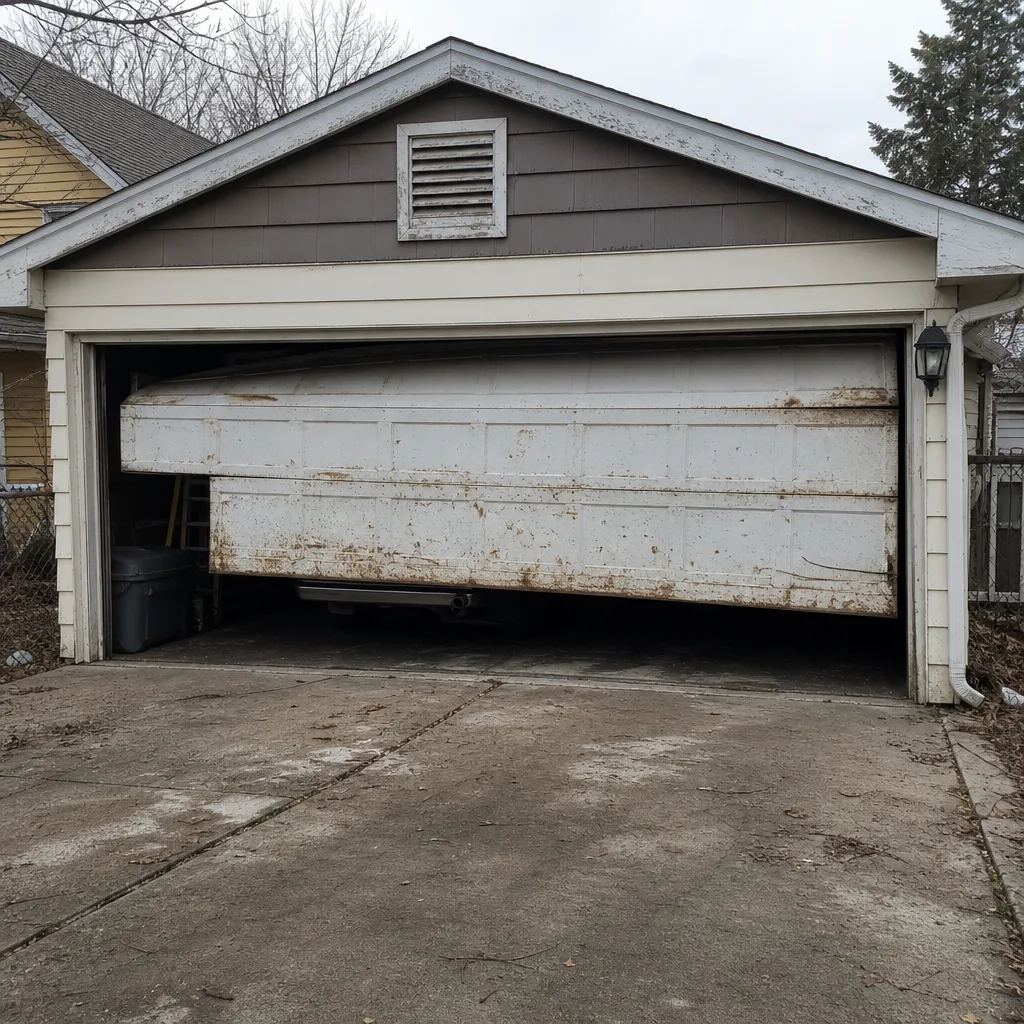 Before
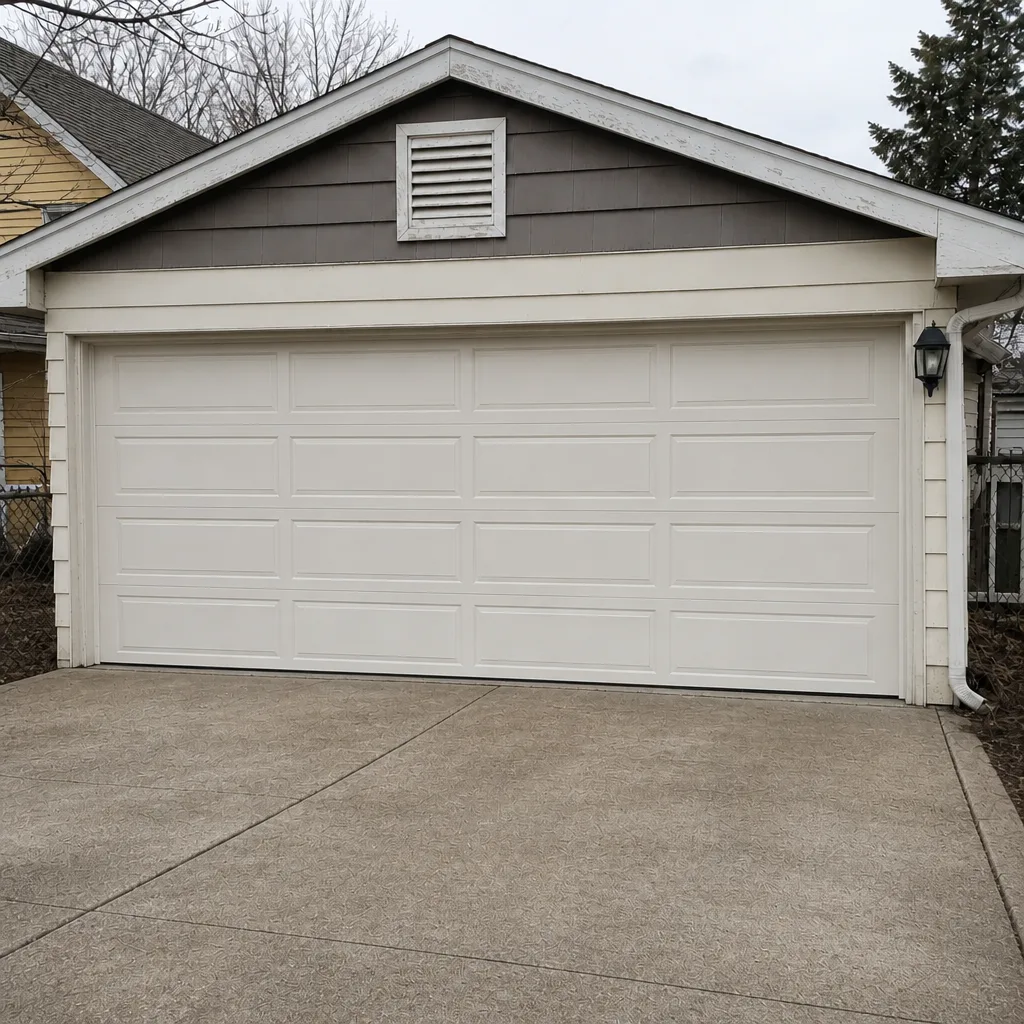 After
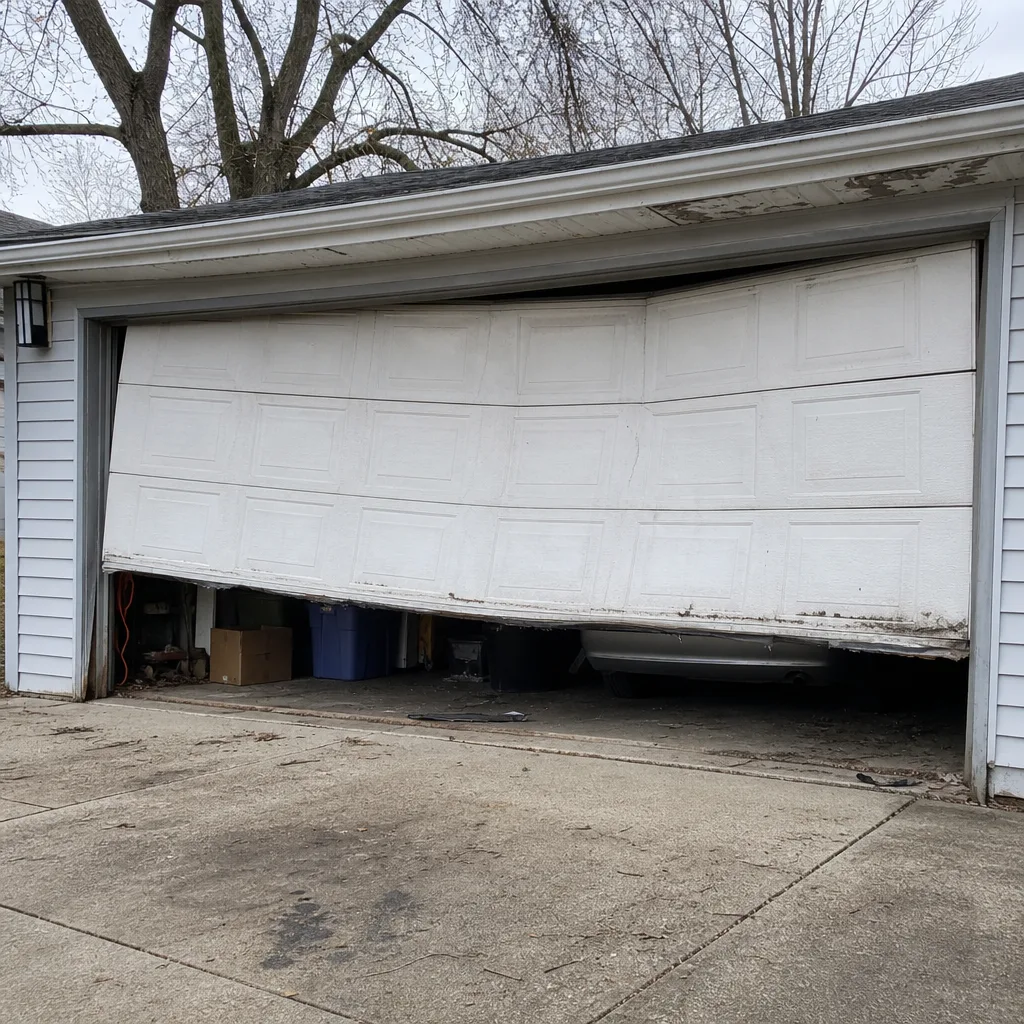 Before
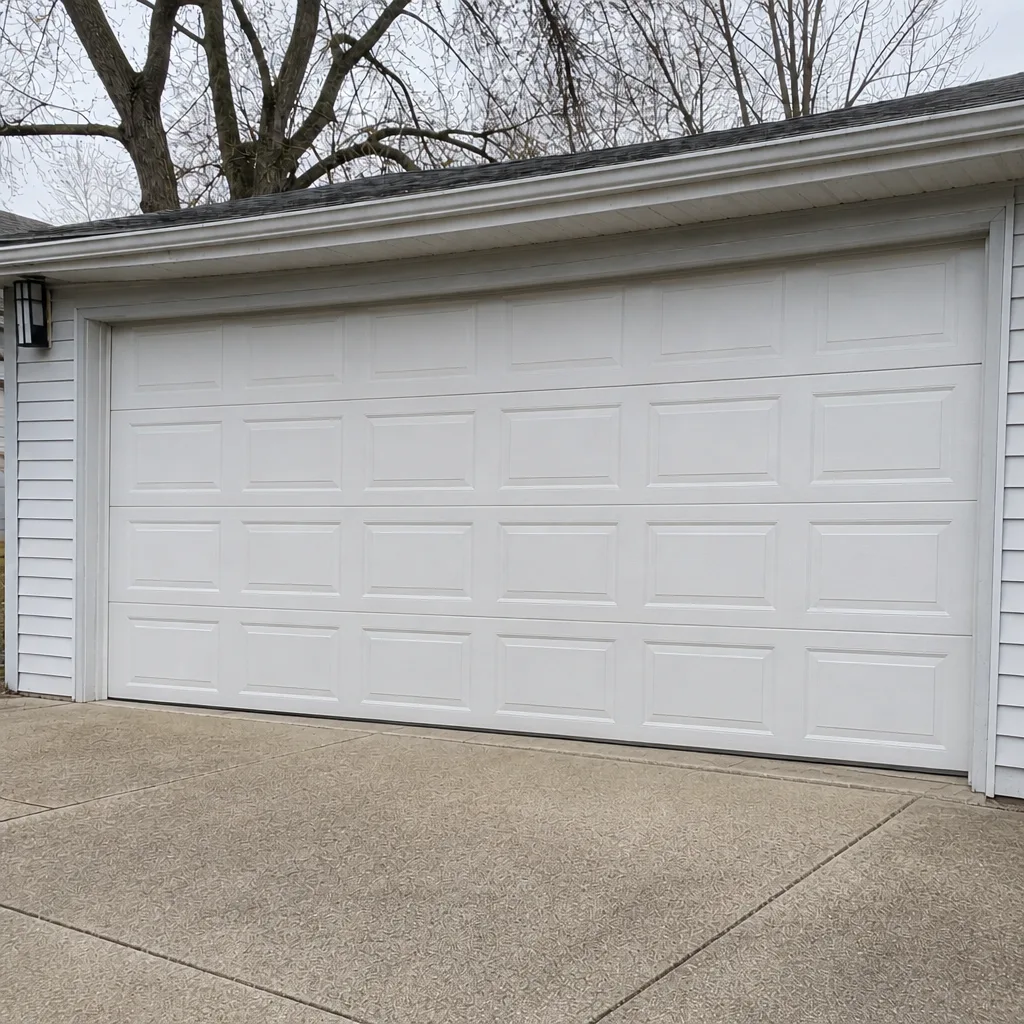 After
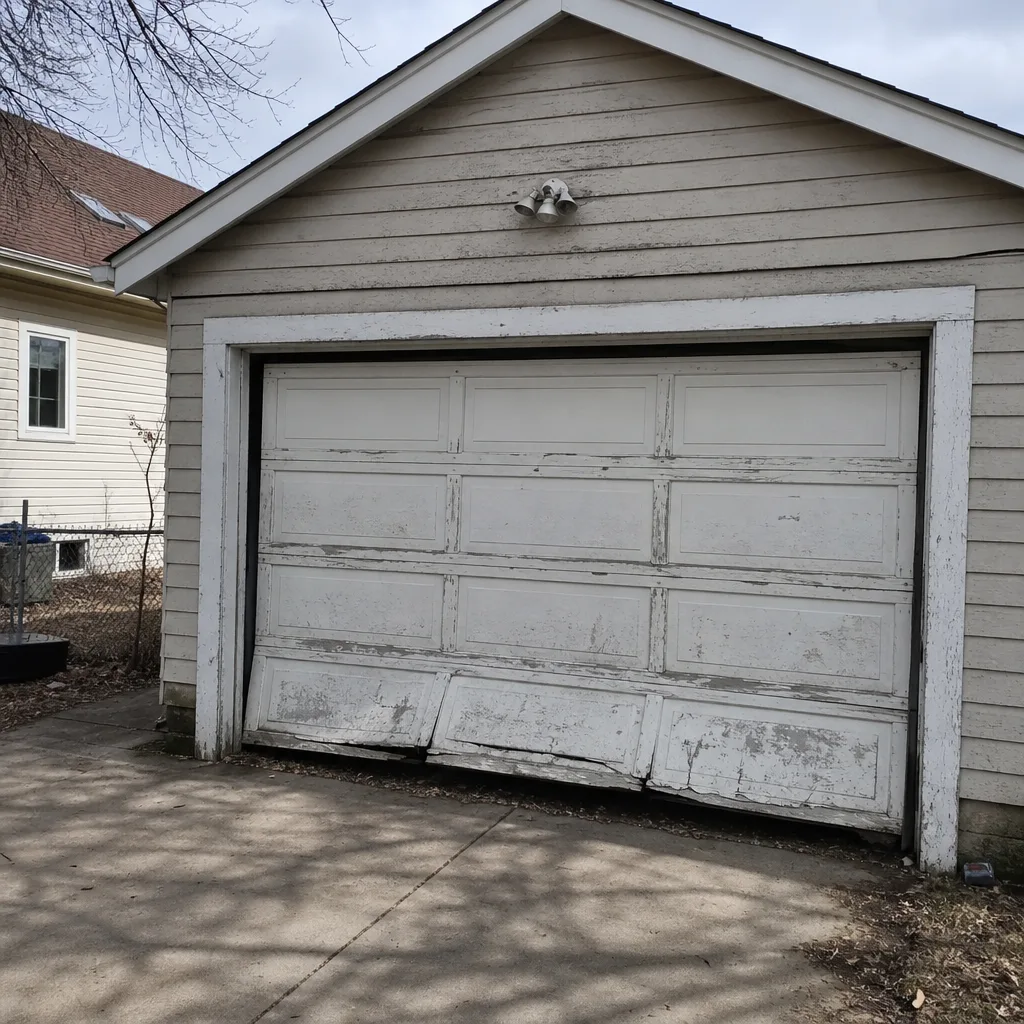 Before
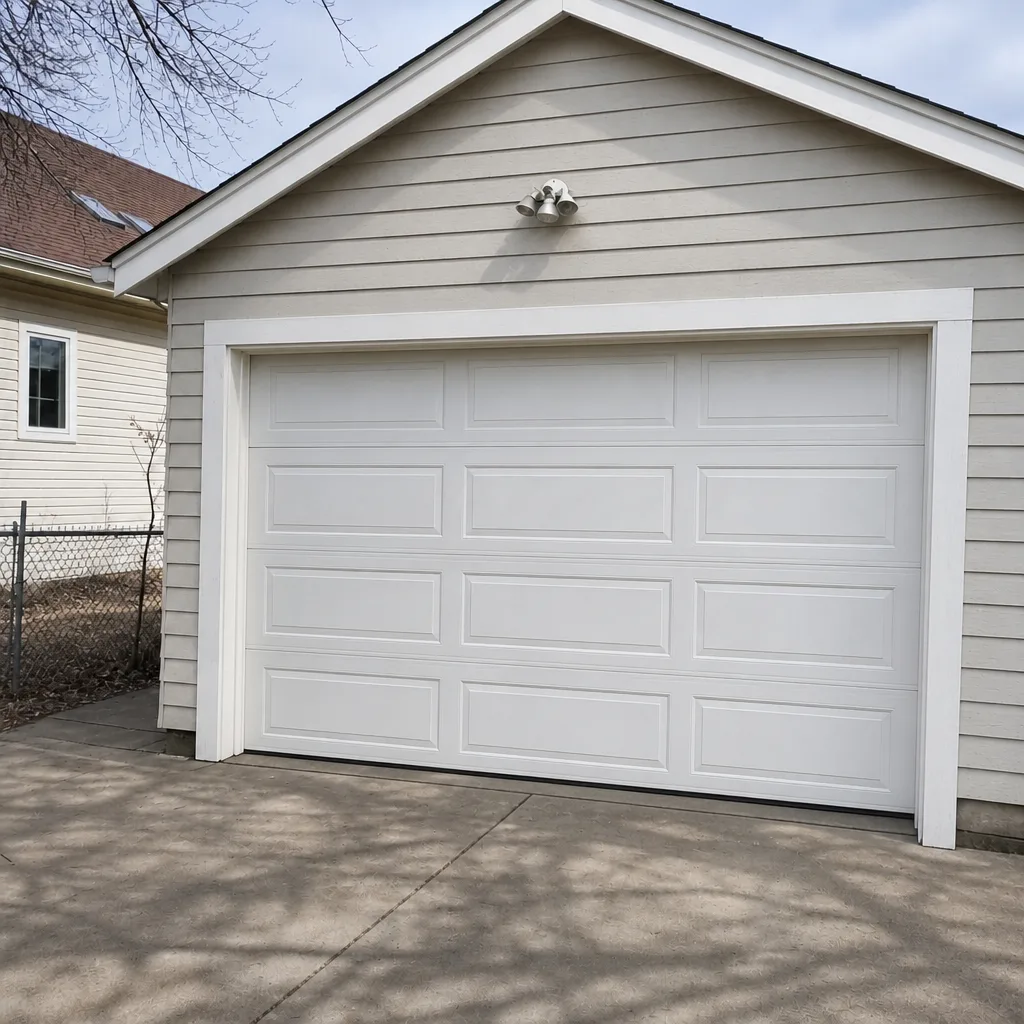 After
When to Call a Professional
Call a professional for anything that involves a spring, cable, drum, or track work on a door that isn’t sitting cleanly in its frame. Call for a broken spring, a snapped cable, a door that comes off-track or won’t close, an opener that’s visibly failing, and any installation or replacement of a door or opener. Call if you’re not sure, because a free estimate costs nothing and the alternative is a DIY guess that can void a warranty or put you in the emergency room.
Parkway Garage Door Repair offers free estimates in Minneapolis. We work on the brand you already own (LiftMaster, Chamberlain, Genie, Clopay, Amarr, Wayne Dalton, Craftsman, and Raynor), we handle the door and the opener in the same conversation, and you get the written price before any work starts. Call (855) 213-4171. We answer 24/7. Fast dispatch from 7am to 7pm, Sunday through Friday.
Frequently Asked Questions
No. Torsion springs are under 150 to 300 pounds of torque and are a stored-energy system that can cause serious injury or death. There is no safe DIY version of this repair, even for a skilled homeowner. Call a professional for any spring, cable, or drum work.
Safety sensor testing and realignment, remote and keypad programming, lubrication of hinges and rollers, bottom seal replacement on a stable door, and cosmetic touch-up are all reasonable DIY tasks. Springs, cables, track replacement, and opener installation are not. When in doubt, get a free estimate first.
Torsion spring repair is typically in the low hundreds for a single spring, and a matched pair costs roughly double because the two are replaced together. Prices are set per job by the written estimate, and the estimate is free. Call (855) 213-4171 for an exact quote, and ask about your door’s other spring while you’re on the call.
It can. Manufacturer warranties often cover the system as a whole, and improper spring or opener work can void coverage on the door, opener, or finish. For a Minneapolis home with a Clopay, Amarr, LiftMaster, or Chamberlain installation, the safest path is a brand-fluent technician. Ask for a written scope of work so the warranty stays intact.
A half-finished repair in Minneapolis in late November leaves the house exposed to cold air, snow load, and freeze-thaw, and the work itself is harder on numb hands and icy ladders. Book an inspection in early fall (September or early October) rather than waiting for the first cold snap. If something fails in the middle of winter, call and get it fixed rather than waiting for spring.
Yes, on appropriate tasks. A professional can replace the spring and balance the door while you handle the bottom seal, sensor realignment, or remote programming afterward. The key is to be upfront about what you want to do when you call, so the estimate reflects it. Springs and cables are never a hybrid; they’re professional-only.
Our technicians are experienced professionals, and our technicians have up to 8 years of experience with the major brands installed on Minneapolis homes. We work as an insured, professional service. Ask on the call for confirmation of credentials before any work starts. Estimates are free, and the written price is agreed before we begin.
The Bottom Line
The DIY vs professional question for a Minneapolis garage door isn’t about skill. It’s about consequences. Sensors, remotes, lubrication, seals, and cosmetic fixes are safe for a careful homeowner, and doing them yourself is fine. Springs, cables, drums, track repair, and installation are not DIY territory, and the warranty and safety math makes the technician’s cost a rounding error. In our experience, the homeowners who get hurt or lose a warranty are almost always the ones who crossed that line on something small. If you’re not sure which side of the line you’re on, call and ask. In Minneapolis, winter doesn’t give you a do-over on a half-finished repair.
Contact
If you’re ready to get an honest read on your garage door, call Parkway Garage Door Repair at (855) 213-4171 for a free estimate. We answer 24/7. Fast dispatch from 7am to 7pm, Sunday through Friday. Closed Saturday. Our technicians have up to 8 years of experience with the brands already on your home, and we work on the door and the opener in one conversation, so you’re not calling a second company.
Written by the team at Parkway Garage Door Repair.