
Last updated November 15, 2026
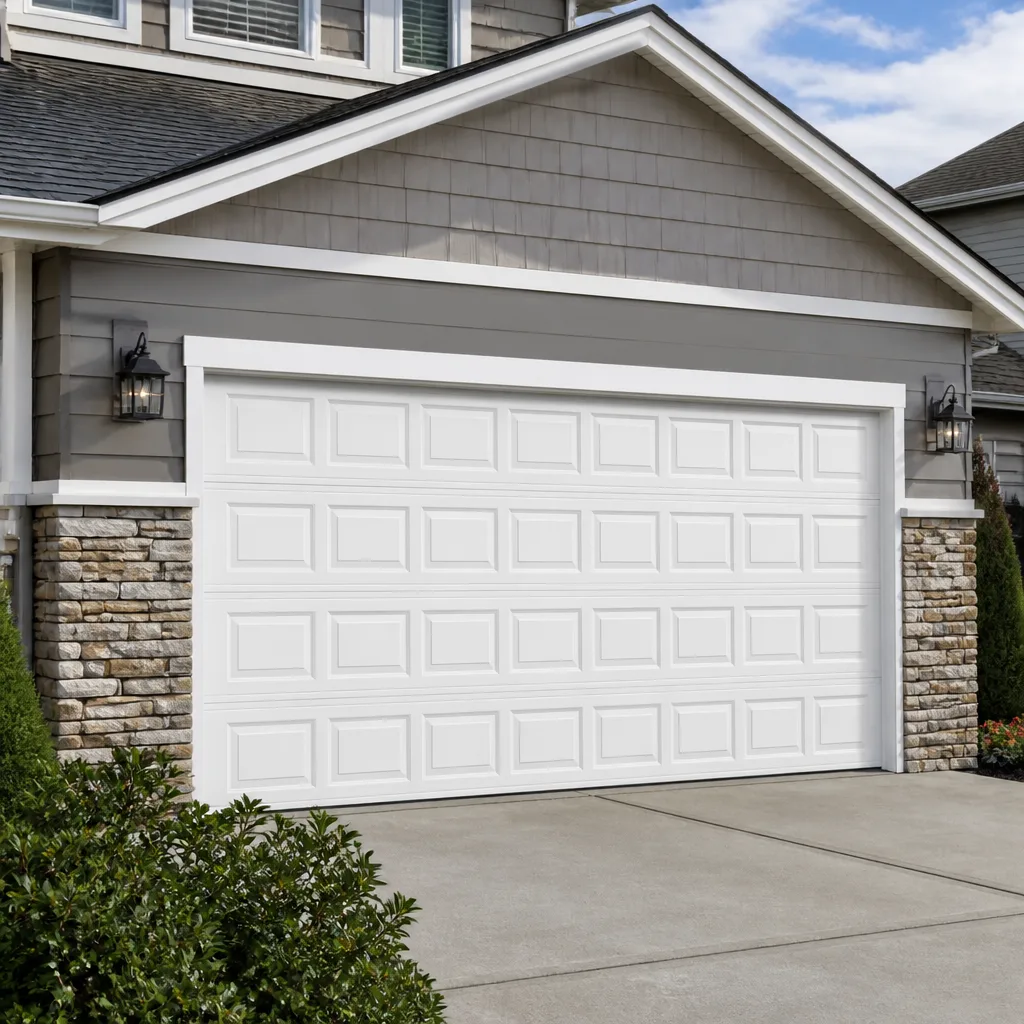 Raised-panel steel
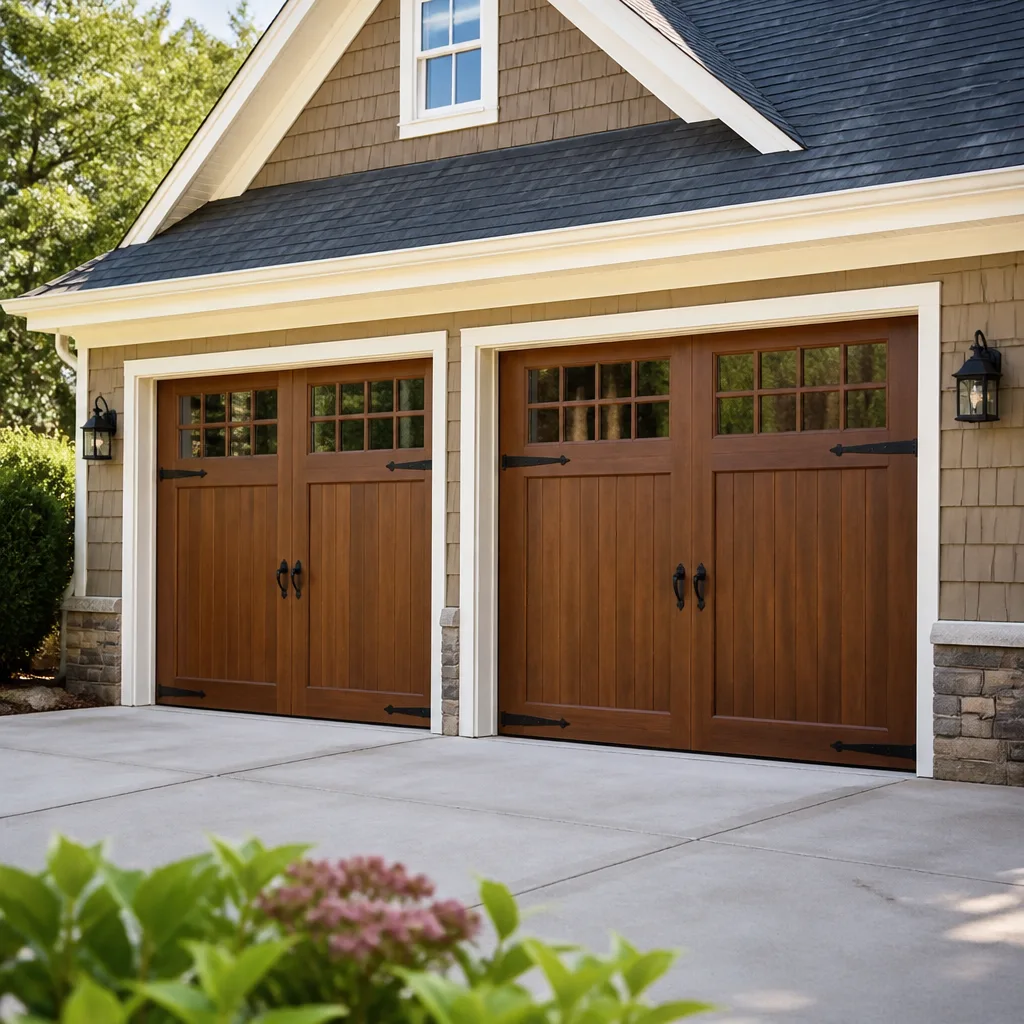 Carriage house
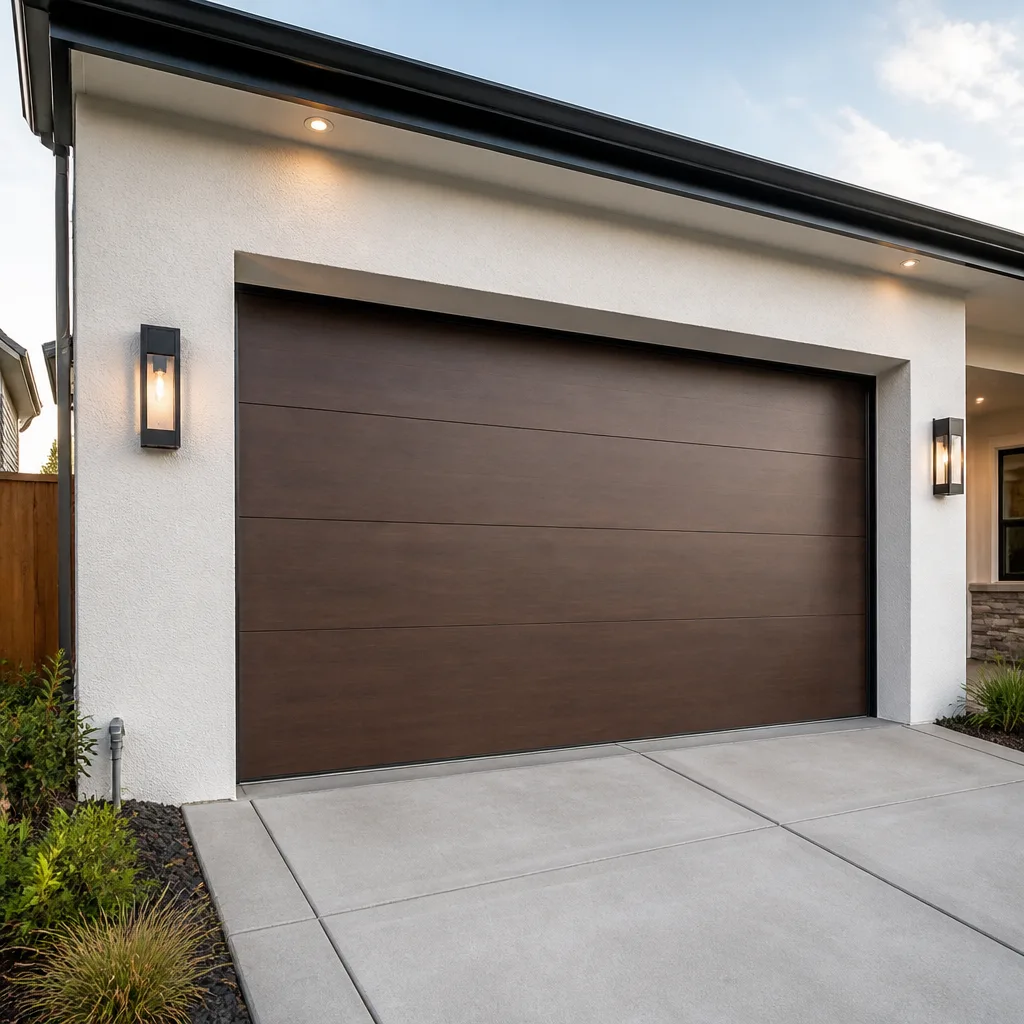 Modern flush
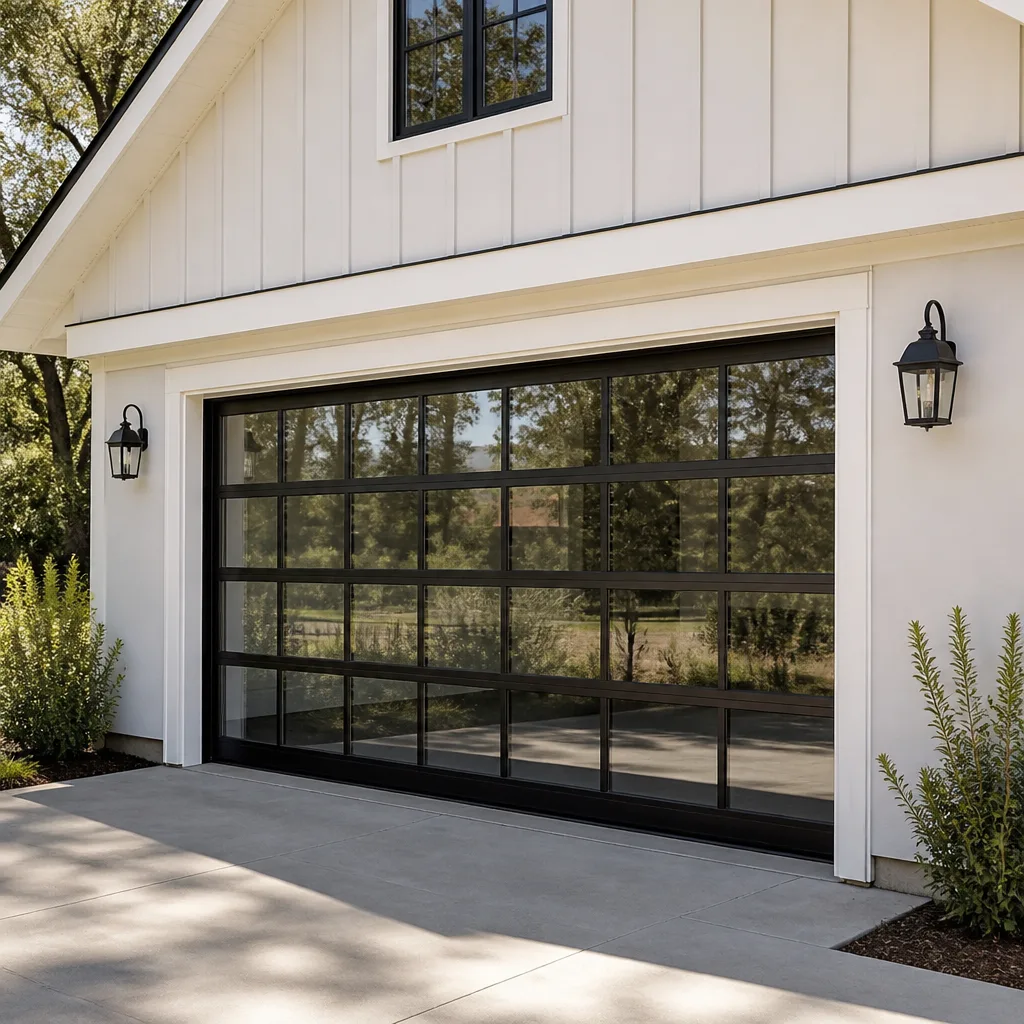 Full-view glass
 LiftMaster openers
 Chamberlain openers
Full 25-point door and opener safety check with every visit - springs, cables, rollers, tracks, and your LiftMaster or Chamberlain opener included
You get a price before we start. It does not change when the pro arrives.
Get your free estimateGarage Door Repair Maintenance Checklist for Minneapolis Homeowners
The call that wakes us up most often between December and February isn’t about a dead opener. It’s about a nylon roller that was already cracked in October, a bottom seal that froze to the slab in November, or a hinge pin that stopped moving sometime before the first hard freeze. Garage doors don’t fail dramatically in Minneapolis. They fail quietly, one small part at a time, until a Tuesday morning when the door goes up six inches and stops. This guide is a maintenance checklist sequenced by the way cold actually attacks a door here, ranked by what breaks first, and split cleanly between what you can safely check yourself and what should go to a technician.
Quick Answer
A Minneapolis garage door needs lubrication every season with a cold-rated lubricant (not standard white lithium grease), a monthly visual check of rollers, hinges, cables and the bottom seal, and a professional spring and balance inspection once a year. The parts that fail most in a Minneapolis winter are rollers, hinges, bottom seals and springs, in that order. Everything except the spring, cable and torsion work is safe for a homeowner to look at.
Styles & brands we work with
- Raised-panel steel
- Carriage house
- Modern flush
- Full-view glass
- LiftMaster openers
- Chamberlain openers
Table of Contents
- Why a Minneapolis Garage Door Breaks Differently
- Cold-Climate Lubrication: What to Use Below -10°F
- The Roller and Hinge Inspection Sequence
- Bottom Seals: A Minneapolis Priority
- Spring Tension Checks and Temperature Stress
- What You Can Safely Check vs. What Needs a Technician
- A Season-by-Season Maintenance Calendar
- Know Your Brand Before You Call
Why a Minneapolis Garage Door Breaks Differently
Most garage door maintenance guides are written for a temperate climate. They tell you to lubricate once a year, check the springs, and you’re done. That advice works fine in a place where January hovers around 40°F. It falls apart in Minneapolis, where the same door can see 35°F on a December afternoon and -20°F three days later, cycle through dozens of freeze-thaw swings between Thanksgiving and March, and sit under snowpack and road spray for four straight months.
What that does to the parts is predictable once you’ve watched it happen for a few winters:
- Metal contracts. Steel tracks and hinges shrink slightly in extreme cold. Gaps that were tight in July open up, and rollers can ride off track or bind in a way they never do in summer.
- Lubricant thickens or turns to wax. A grease that flows nicely at 60°F can become a sticky paste at -10°F, and paste doesn’t lubricate. It grabs.
- Rubber hardens and cracks. The bottom seal and any rubber weatherstripping lose flexibility in Minneapolis cold faster than in milder regions.
- Springs work harder. A torsion spring under the same load cycles through more stress in one Minneapolis winter than a door in a warmer climate accumulates over several years, because the metal itself is stiffer when it’s cold and the door has to fight it.
That’s the core idea behind this checklist: sequence matters. Check the parts that fail first in cold weather before you worry about the ones that fail last. If your door is already stuck, that’s a repair, not maintenance – start with our guide to garage door repair and come back to this checklist once things are moving again.
Cold-Climate Lubrication: What to Use Below -10°F
Forget the can of white lithium grease you bought at the hardware store. In Minneapolis, standard white lithium grease is a liability below roughly -10°F. It doesn’t disappear in the cold; it gets thick and sticky, collects grit, and turns hinges and rollers into parts that resist movement instead of gliding. A door that was fine in October can feel sluggish or start to bind in January for no reason other than the lubricant itself.
What to use instead depends on the part:
- Rollers, hinges and the torsion tube bearings: a silicone-based or synthetic cold-rated lubricant rated for low temperatures. Look for a stated working temperature well below zero on the label, not just “all-purpose.”
- Metal rollers: a light oil designed for cold-weather use, applied sparingly. Nylon rollers usually need less, and some manufacturers recommend no lubricant at all on the roller itself – check your door’s manual, or ask us what your brand specifies.
- Tracks: none. Track surfaces should be clean and dry. Greasing the track attracts dirt and debris that cake into the rollers.
- Weatherstripping and the bottom seal: a silicone spray that protects the rubber without making it greasy. This also helps keep the seal from freezing to the floor.
Apply lubrication at least twice a year – once in fall before the first freeze, and once in early spring after the worst of it. In a Minneapolis winter, four applications isn’t unreasonable if you use the door heavily. The same logic applies to the opener drive if yours is a screw or chain drive: the opener manufacturer’s manual tells you what it wants, and products like a LiftMaster or Chamberlain belt-drive unit often need less than a chain drive. That’s a topic we cover separately under garage door opener repair if your opener is the part that’s struggling.
The Roller and Hinge Inspection Sequence
Rollers and hinges are the highest-frequency failure point in a Minneapolis winter, and the reason is simple: they’re the parts that move the most, take the most stress at cold temperatures, and are cheap enough that homeowners put them off until they fail. A cracked nylon roller doesn’t stop the door today. It stops it on the coldest morning of the year, when the door has no slack to work around a bad part.
Inspect them in this order, once a month from October through April:
- Rollers, one at a time. With the door closed, look at each roller where it sits in the track. You’re looking for flat spots, cracks in the nylon or plastic, chips, or a wobbling roller. Nylon rollers crack visibly before they fail – a crack you can see in October is a crack that will strand you in January.
- Hinge screws. Check every hinge where it attaches to the door panel. Loose screws are common on doors that have been through a few Minneapolis winters, because the door panels flex with temperature and slowly back the screws out. Tighten anything that wiggles.
- Hinge joints. Work each hinge through its range by hand with the door up (never while the door is moving). It should move freely. If it creaks or catches, it needs lubricant – a hinge that’s binding in November will bind hard in February.
- Cables and drums (visual only). Look at the cables where they run down each side. Check for fraying, kinks, or a cable that’s jumped out of the drum. Do not touch them. A cable under tension can cause serious injury if it releases, and this is a stop-and-call moment, not a fix-it-yourself moment.
- Track alignment. Run your eye down each track. It should be straight and parallel. If it’s been bumped by a car or has pulled away from the wall, the rollers will bind and the door will drift. Track adjustment is a technician job.
- Overall cycle test. Open and close the door once. Listen for rattles, thumps and grinding. A door that’s quiet in September and rattles in December is telling you something.
This sequence catches the great majority of freeze-related failures before they strand a car inside. It takes about ten minutes.
Bottom Seals: A Minneapolis Priority
In a mild climate, the bottom seal is a minor comfort item. In Minneapolis, it’s a priority part, and it fails faster here than almost anywhere else because it faces three things at once: road salt spray tracked in by the car, snowplow spray thrown against the lower door panels, and ice damming at the threshold where the door meets the slab.
What that looks like in practice:
- Salt and de-icer spray from a car pulled in wet corrodes the aluminum retainer that holds the seal and dries out the rubber itself. The rubber goes from flexible to brittle over a season or two.
- Ice at the threshold – the freeze-thaw cycle at the base of the door creates a ridge of ice that the seal has to push against or ride over. A seal that’s already stiff will tear or pull loose.
- Daylight and drafts are the visible sign. If you can see daylight under the door, or feel cold air coming in, the seal has failed. In a Minneapolis garage this matters for more than comfort – it’s how snow and moisture get in and start damaging the door panels from the bottom up.
Check the seal with the door closed: run your hand along the bottom edge and look for gaps, tears, crushed sections or a seal that’s pulled out of its channel. Replace it when it’s failed. A bottom seal is one of the least expensive parts on the door, and replacing it before winter is one of the highest-value maintenance steps you can take here.
While you’re at the bottom of the door, check the bottom bracket that anchors the cable at each corner. If it looks bent, corroded or loose, stop – that’s a technician call, not a homeowner adjustment.
Spring Tension Checks and Temperature Stress
Springs are the part of the garage door system that most deserves respect and least deserves a homeowner’s hands on it. A torsion spring stores enormous energy. When it releases unexpectedly, it can cause serious injury. If your door has a broken spring – typically a loud snap followed by a door that won’t lift or lifts only with effort – call a professional. Do not try to open the door by hand, and do not attempt a spring replacement.
What you can do is understand the schedule.
A torsion spring is rated in cycles, not years. Every open-and-close is one cycle, and the useful life of a spring is a fixed number of them. In a temperate climate, a door that cycles four times a day might get years of life out of a spring. In Minneapolis, the same door fights more resistance in winter, works against stiff lubricant, and deals with metal that’s contracted and tight. In practical terms, a Minneapolis door puts more stress on its springs in one winter than a door in a warm climate sees across several years – which is why an annual spring and balance inspection makes sense here.
Signs a spring or balance issue is developing:
- The door feels much heavier to lift by hand than it used to (test with the door disconnected from the opener, if you know how; otherwise leave it).
- The door doesn’t stay put when you lift it partway – it drifts down.
- The opener strains or struggles, or the door pauses mid-cycle.
- You hear a snap or the door won’t open at all – this is a same-day call.
Balance and tension adjustments need a technician with the right tools. We can check your spring system and give you a straight answer about whether it needs adjustment or replacement, without pushing a replacement you don’t need. That’s part of what we do across Minneapolis on doors of every brand we work on.
What You Can Safely Check vs. What Needs a Technician
Not everything on this checklist is a homeowner job, and pretending otherwise is how people get hurt. Here’s the honest split.
Safe for a homeowner
- Visual inspection of rollers, hinges, tracks and the bottom seal.
- Lubricating rollers, hinges and the torsion tube bearings with cold-rated product.
- Tightening loose hinge screws.
- Testing the safety reverse (place a roll of paper towels under the door and confirm it reverses on contact – a standard, safe check).
- Cleaning tracks with a dry cloth.
- Checking the opener’s manual for the correct lubricant and maintenance schedule for its drive type.
- Replacing a bottom seal, if your door’s seal is a straightforward slide-in or nail-on type.
Requires a technician
- Anything involving the springs, torsion tube, cables or drums. These parts are under high tension and can cause serious injury if they release.
- Track straightening or realignment after a bump.
- Roller replacement on a door where the rollers are seized or the door won’t move.
- Opener diagnosis for a motor, logic board or travel-limit problem.
- Balance and tension adjustment.
- Any door that’s currently stuck, off-track or making a noise it didn’t make before.
This boundary isn’t about selling you a service. It’s about the parts of the door that can hurt you, and those parts are the springs and cables. Everything else on this list is genuinely yours to handle, and handling it well is exactly what keeps the emergency calls away.
A Season-by-Season Maintenance Calendar
Here’s the same checklist arranged by the Minneapolis calendar, so you’re not guessing when to do what.
Fall (before the first hard freeze)
- Lubricate all rollers, hinges and bearings with cold-rated product.
- Check every roller for cracks and flat spots – this is the inspection that saves you a January breakdown.
- Check and replace the bottom seal if it’s failing.
- Tighten hinge screws and test hinges by hand.
- Test the safety reverse.
- Look at the cables for fraying (visual only – don’t touch).
- Check visible spring condition and note any balance issues.
Winter (monthly, December through February)
- Clear snow and ice from in front of and beneath the door. Don’t force a frozen door.
- Watch the door cycle – listen for new noises.
- Check the bottom seal for ice damage and daylight gaps.
- Note any door that feels heavier or pauses mid-cycle. Stop using it if the spring seems to be failing.
Spring
- Lubricate again to wash out winter grit and salt residue.
- Rinse the lower door panels and the seal retainer to remove road salt.
- Check the seal for winter damage and replace if needed.
- Inspect rollers a second time – winter cycles are hard on them.
Summer
- Schedule an annual spring and balance inspection with a technician.
- Clean tracks and check alignment.
- Lubricate if the door is heavily used.
Following this calendar beats a generic once-a-year checklist because it matches what actually happens to a door in Minneapolis: the failures cluster in the cold months, so the prep has to happen before them.
Know Your Brand Before You Call
One more piece of maintenance that pays off: know what’s on your door and your opener before something breaks. The brand matters because parts, tolerances and recommended lubricants differ. A Craftsman opener has different service points than a Chamberlain; a Raynor door takes different hardware than a generic panel; a LiftMaster opener’s travel-limit adjustment isn’t the same procedure as another brand’s. Knowing the label under the opener housing and the sticker on the door panel means whoever services it arrives with the right part instead of making a second trip.
We work on eight of the most widely installed residential brands – LiftMaster, Chamberlain, Genie, Clopay, Amarr, Wayne Dalton, Craftsman and Raynor – so on a Minneapolis door, odds are good we already know your system. We don’t steer you toward a product we prefer; we work on what’s already on your home. If maintenance turns into a repair, we diagnose it correctly the first time. If repair stops making sense and replacement is the honest answer, we handle that too, so you’re not chasing a second company mid-project. One call covers the door and the opener.
Common Mistakes to Avoid
- Using standard white lithium grease in winter. It thickens in the cold and turns into a liability. Use a cold-rated lubricant and reapply before the first freeze.
- Skipping the roller check in fall. A cracked roller is easy to see in October and invisible from the driver’s seat in January, when it’s the part that strands you.
- Greasing the tracks. Track surfaces should be dry. Grease collects grit and grinds into the rollers.
- Ignoring the bottom seal until it’s torn. In Minneapolis, salt and ice damage the seal every winter. Check it in fall and replace it before the freeze, not after.
- Forcing a frozen door. If the door is frozen to the slab, forcing it with the opener strains the springs and the opener motor. Clear the ice first.
- Treating the spring as a DIY part. Springs are under high tension and can cause serious injury. This is the one part on the door that should always be a professional job.
- Assuming the opener is the problem when it’s the door. A straining opener is often reacting to a door that’s out of balance or has a binding hinge. Diagnose the door before you replace the opener.
See the difference
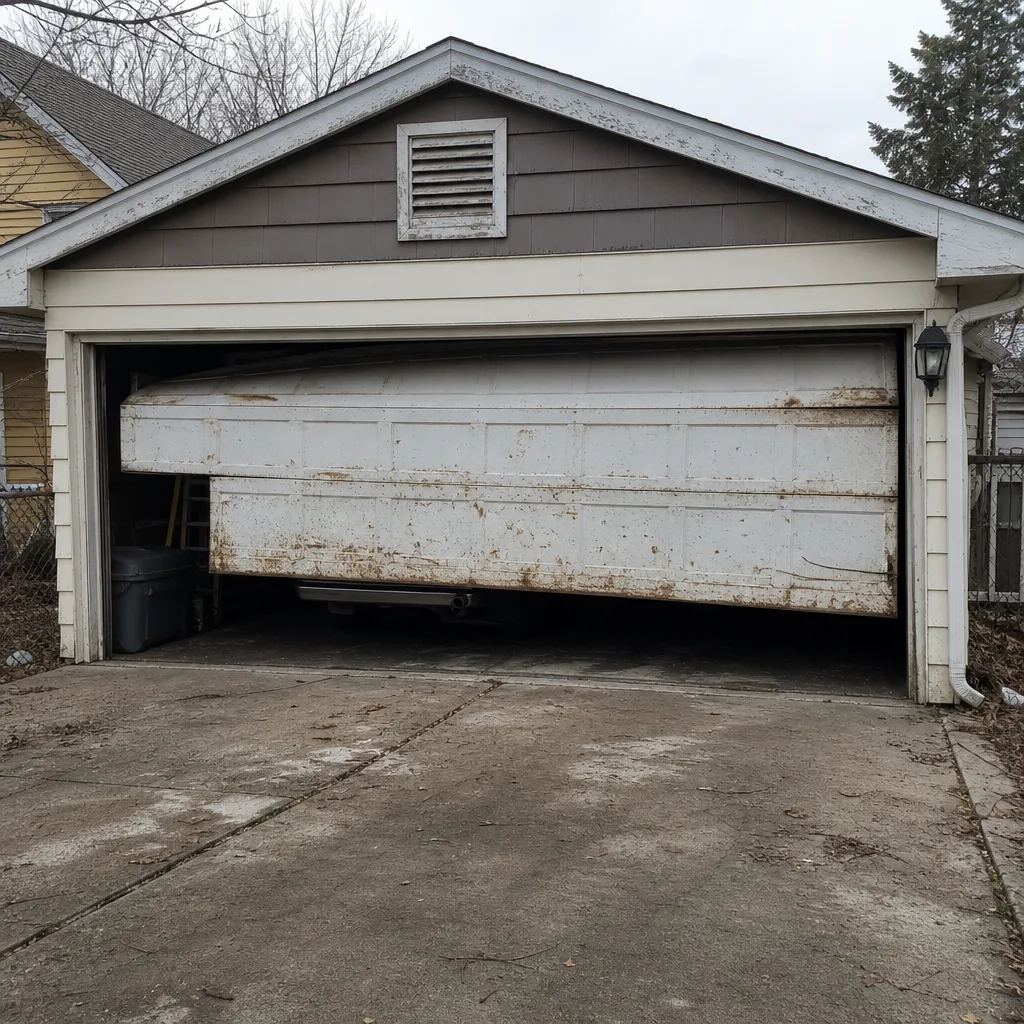 Before
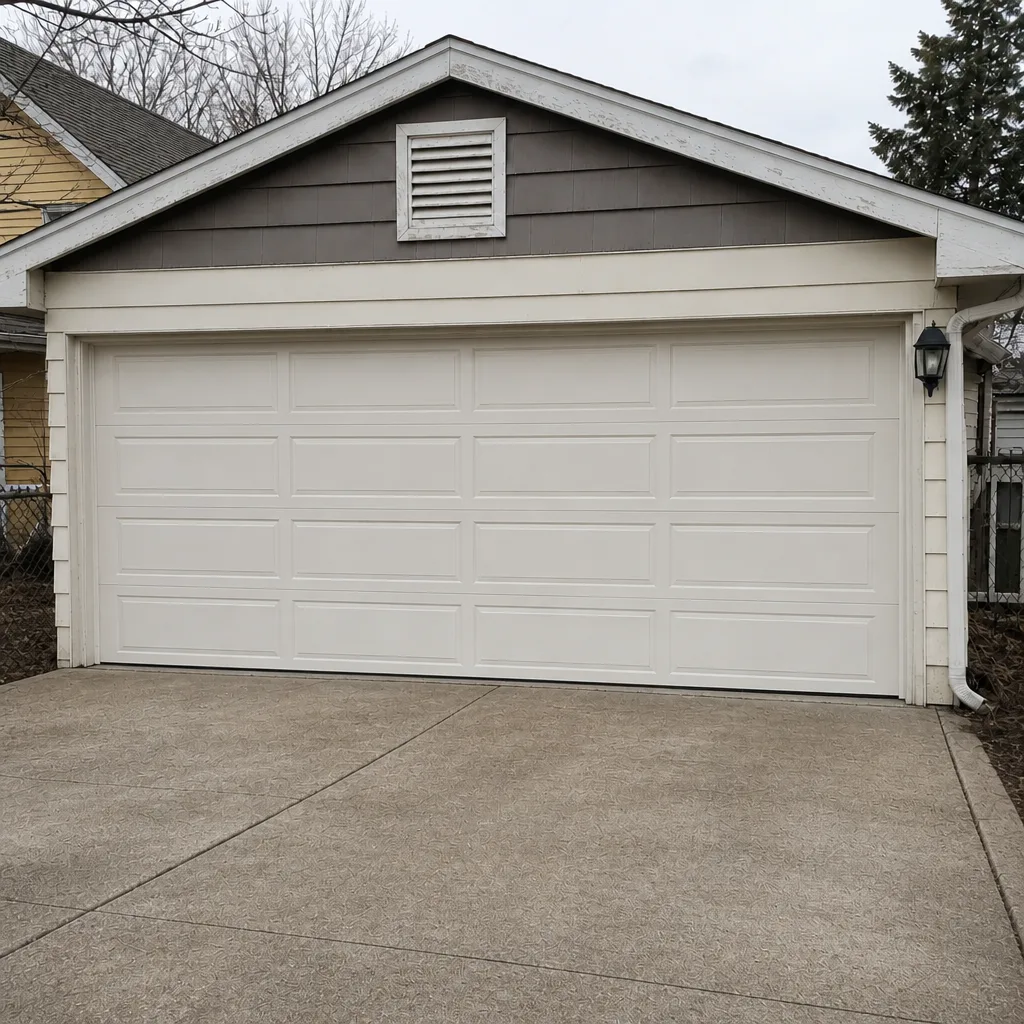 After
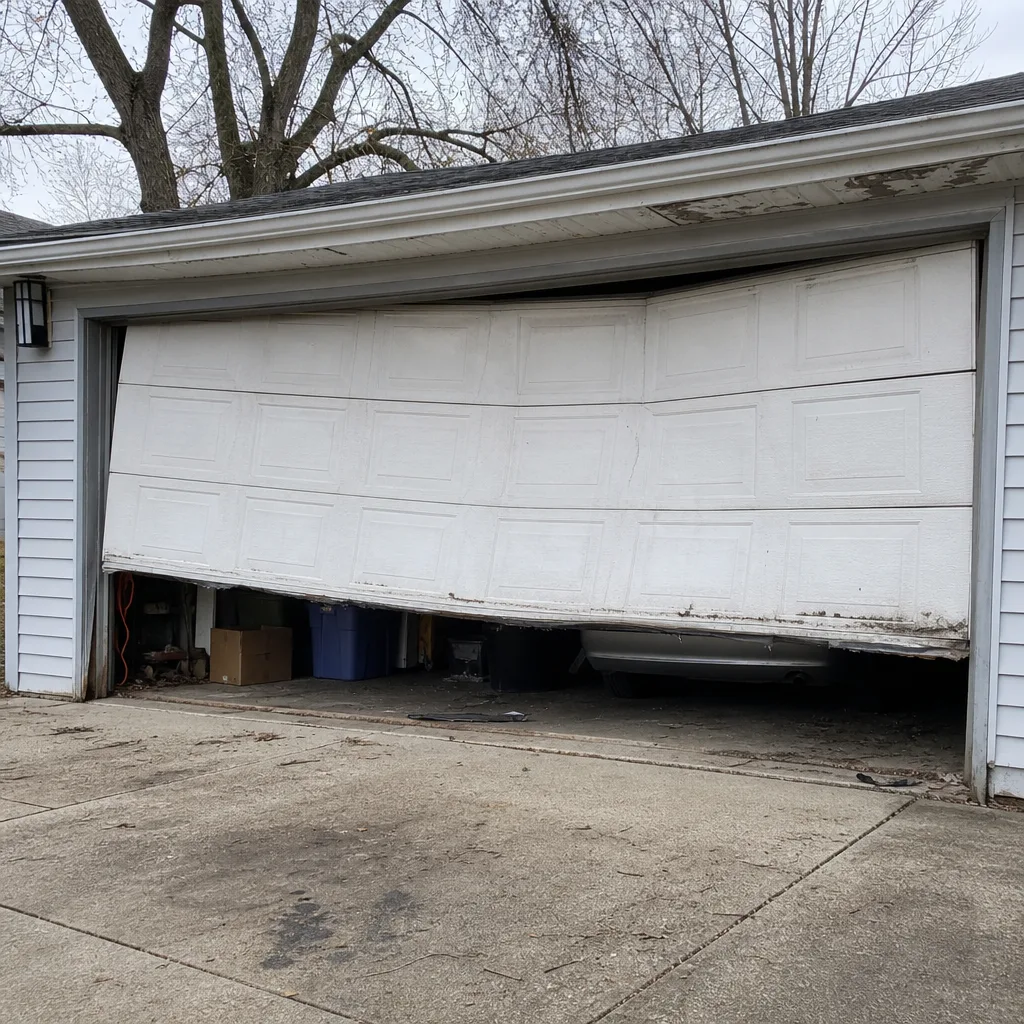 Before
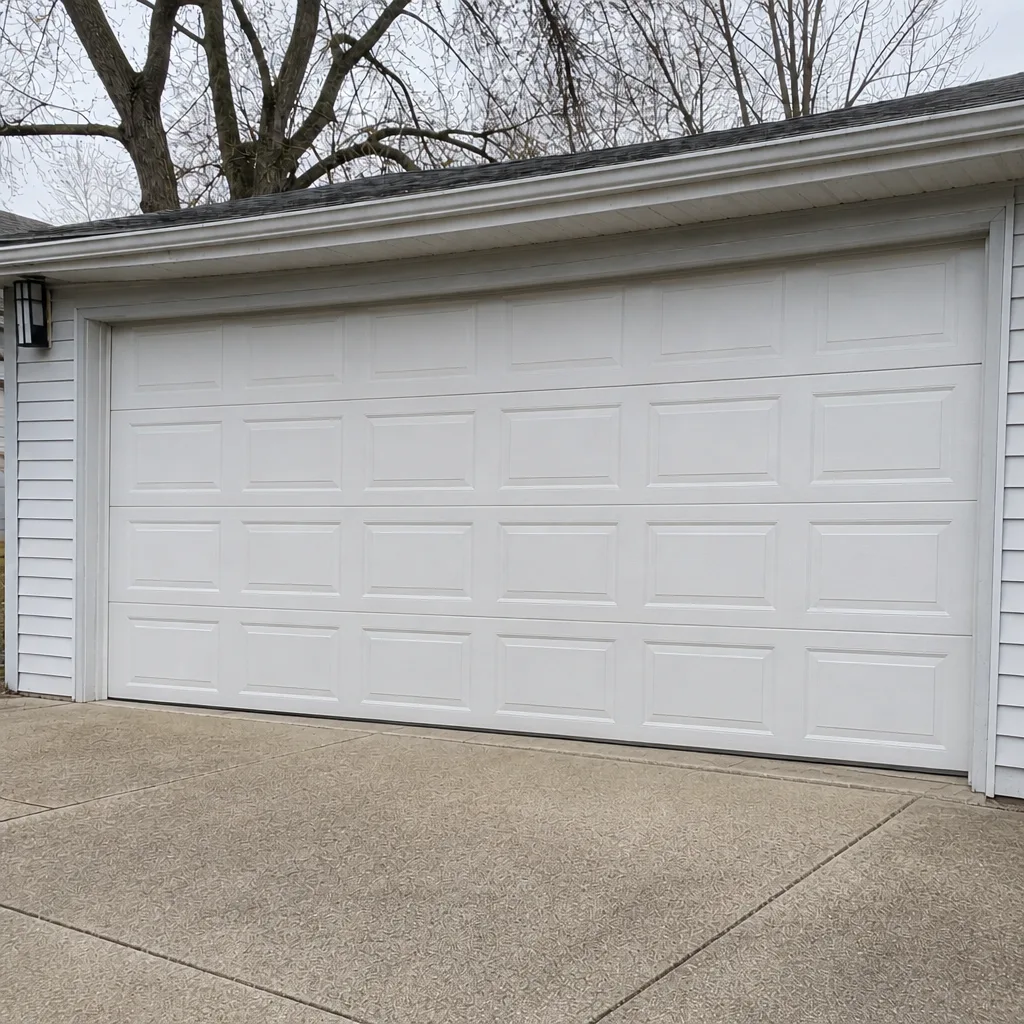 After
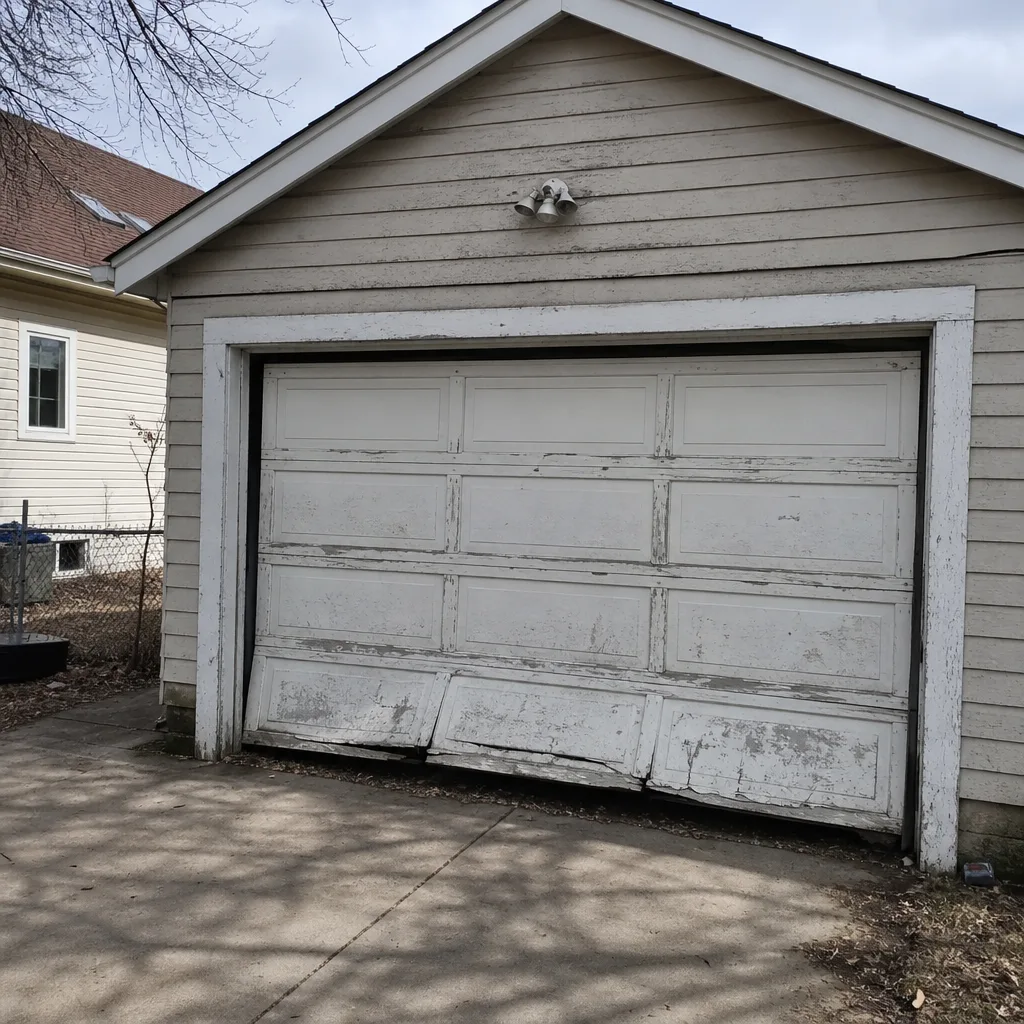 Before
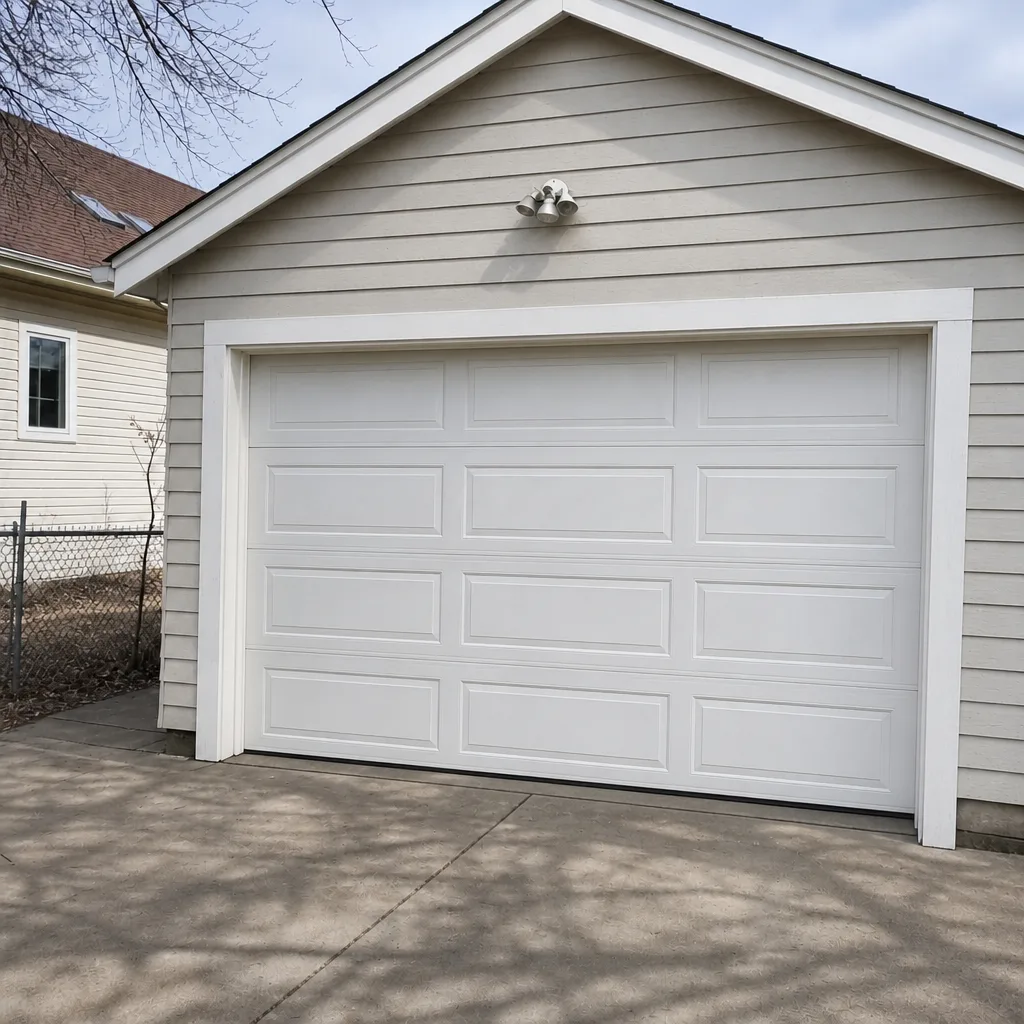 After
When to Call a Professional
Call a professional if the door won’t open or close, if it’s off track, if a cable is frayed or has jumped its drum, if the spring has snapped, or if the door is noticeably out of balance. Also call if you hear a new loud noise, if the door pauses or reverses mid-cycle for no clear reason, or if the safety reverse test fails. And call if you simply aren’t sure whether a part you’re looking at is fine – a quick inspection beats a guess.
Our technicians have up to 8 years of experience, and on a door of any brand we know, we can tell you in one visit whether it’s a repair, a maintenance item, or something that needs replacement. Parkway Garage Door Repair offers free estimates in Minneapolis. Call (855) 213-4171. We answer 24/7. Fast dispatch from 7am to 7pm, Sunday through Friday. Every price is quoted and agreed before any work starts.
Frequently Asked Questions
At least twice a year – once in fall before the first freeze and once in early spring – and more often if the door is heavily used. In a Minneapolis winter, applying cold-rated lubricant four times a season isn’t excessive. Standard white lithium grease should not be used at all in this climate; it thickens below -10°F and starts binding the parts it’s meant to protect. Call (855) 213-4171 if you’re not sure what your door’s brand calls for.
Rollers, then hinges, then the bottom seal, then springs. Rollers fail first because they’re small, they take constant stress, and a cracked nylon roller only fully fails when the door is already fighting cold and resistance. That’s why the fall roller inspection is the single highest-value step in a Minneapolis maintenance routine.
Yes, if your door’s seal is a simple slide-in or nail-on type that slides into a channel or attaches with the manufacturer’s standard retainer. Many are. If the retainer is corroded, the seal is molded into the panel, or the bottom bracket looks compromised, leave it to a technician. Call (855) 213-4171 for an estimate.
Watch for a door that feels heavier than usual, a door that drifts down when you lift it partway, or an opener that strains or pauses mid-cycle. A spring can also fail with no warning, which is why an annual balance inspection makes sense. Never adjust a spring yourself – they’re under high tension and can cause serious injury.
Yes, once a year, mainly for the spring, cable and balance check – the parts a homeowner shouldn’t be inspecting hands-on. The rest of the checklist you can handle yourself. The annual inspection is about catching the parts that fail without warning before they do. Call (855) 213-4171 to book one.
It matters for lubricant recommendations, hardware fit and how the opener is serviced. Knowing your brand means the right parts on the first visit. We work on LiftMaster, Chamberlain, Genie, Clopay, Amarr, Wayne Dalton, Craftsman and Raynor, which covers most Minneapolis doors. Call (855) 213-4171 and tell us your brand – the estimate is free.
The Bottom Line
A Minneapolis garage door doesn’t need a complicated maintenance routine. It needs the right sequence, done on the right schedule, with the right lubricant. Check rollers and hinges monthly from October through April. Replace the bottom seal before winter, not after. Lubricate twice a year with a cold-rated product, never standard white lithium grease. Book an annual spring and balance inspection with a technician, and keep your hands off the springs, cables and torsion system. Everything else is yours to handle, and handling it is what keeps you out of the emergency-call statistics this winter. Know your brand, follow the calendar, and call us the moment something sounds wrong.
Parkway Garage Door Repair works on whatever brand is already on your home, and we can help you decide whether it’s a maintenance item, a repair or a replacement. Call (855) 213-4171 for a free estimate in Minneapolis. We answer 24/7. Fast dispatch from 7am to 7pm, Sunday through Friday. Get more from Parkway Garage Door Repair.
Written by the team at Parkway Garage Door Repair.