
Last updated November 15, 2026
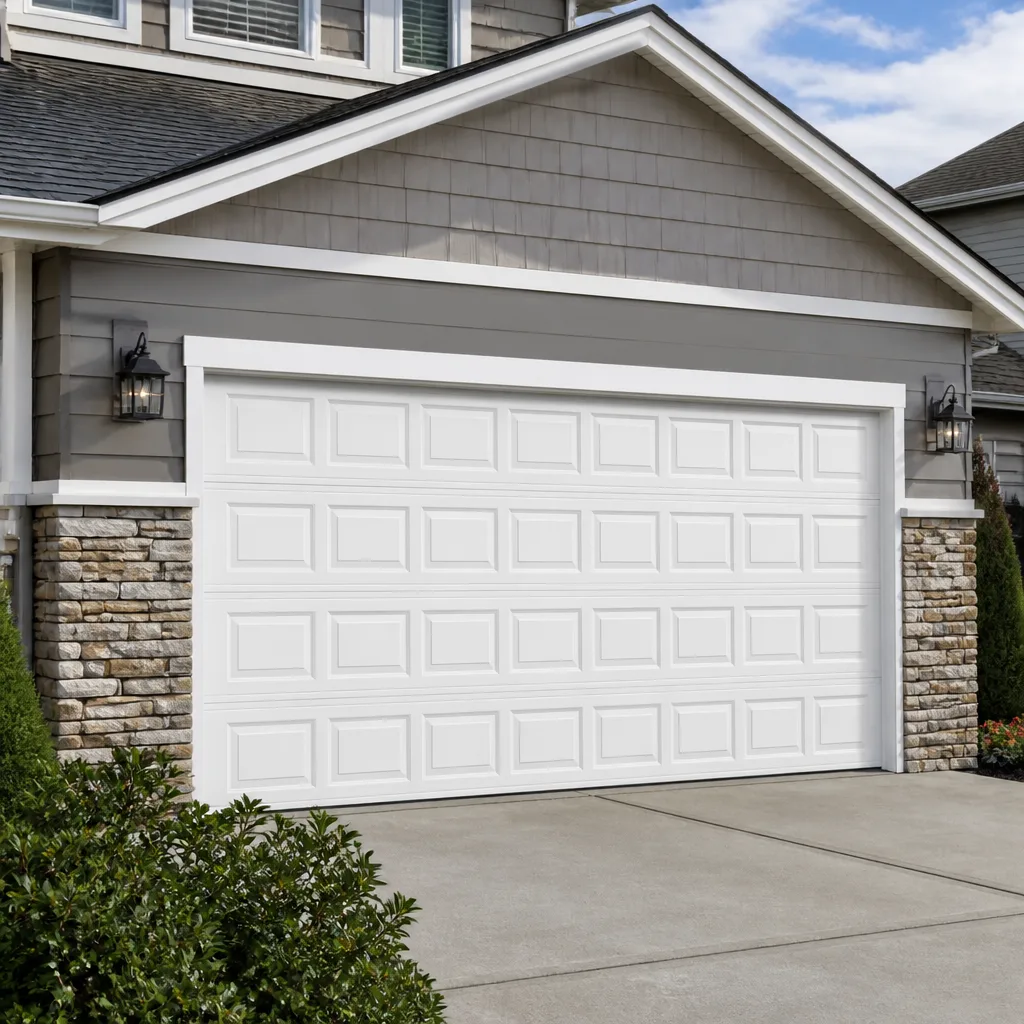 Raised-panel steel
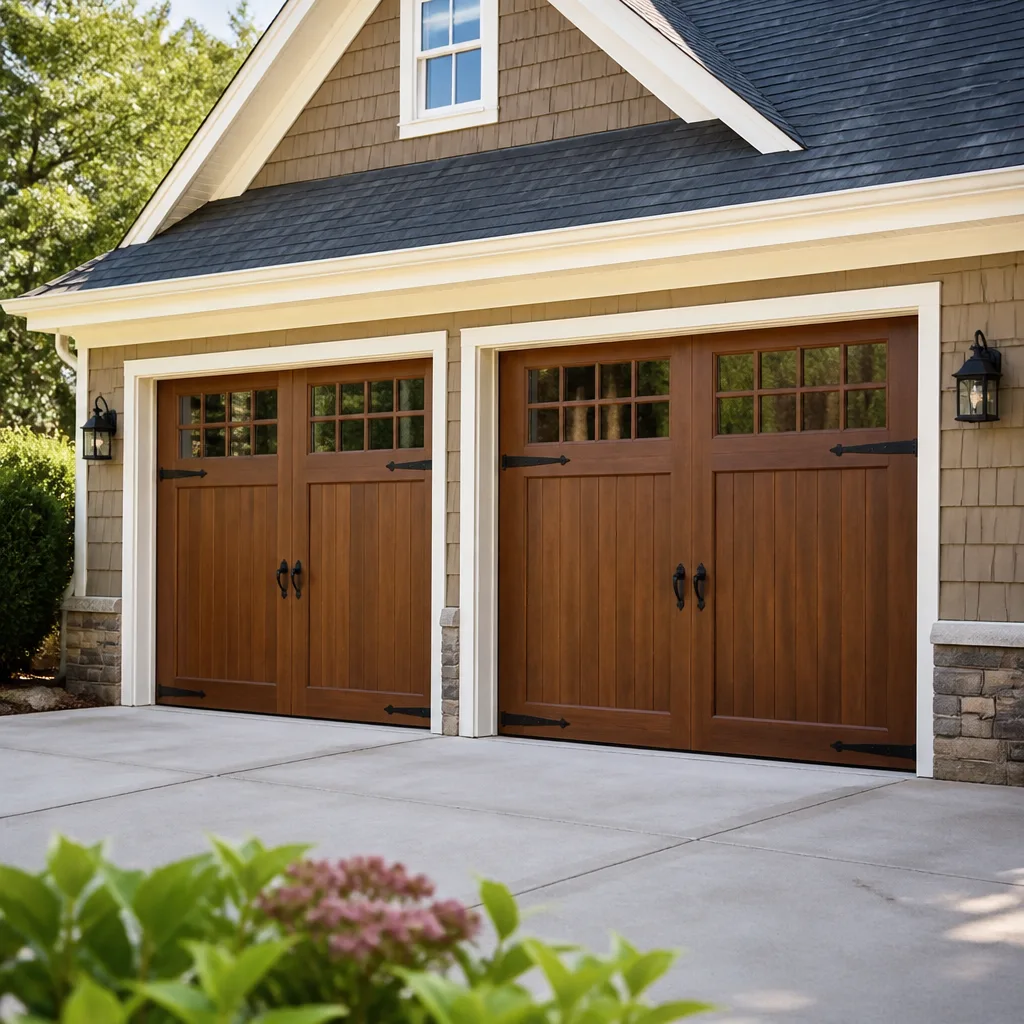 Carriage house
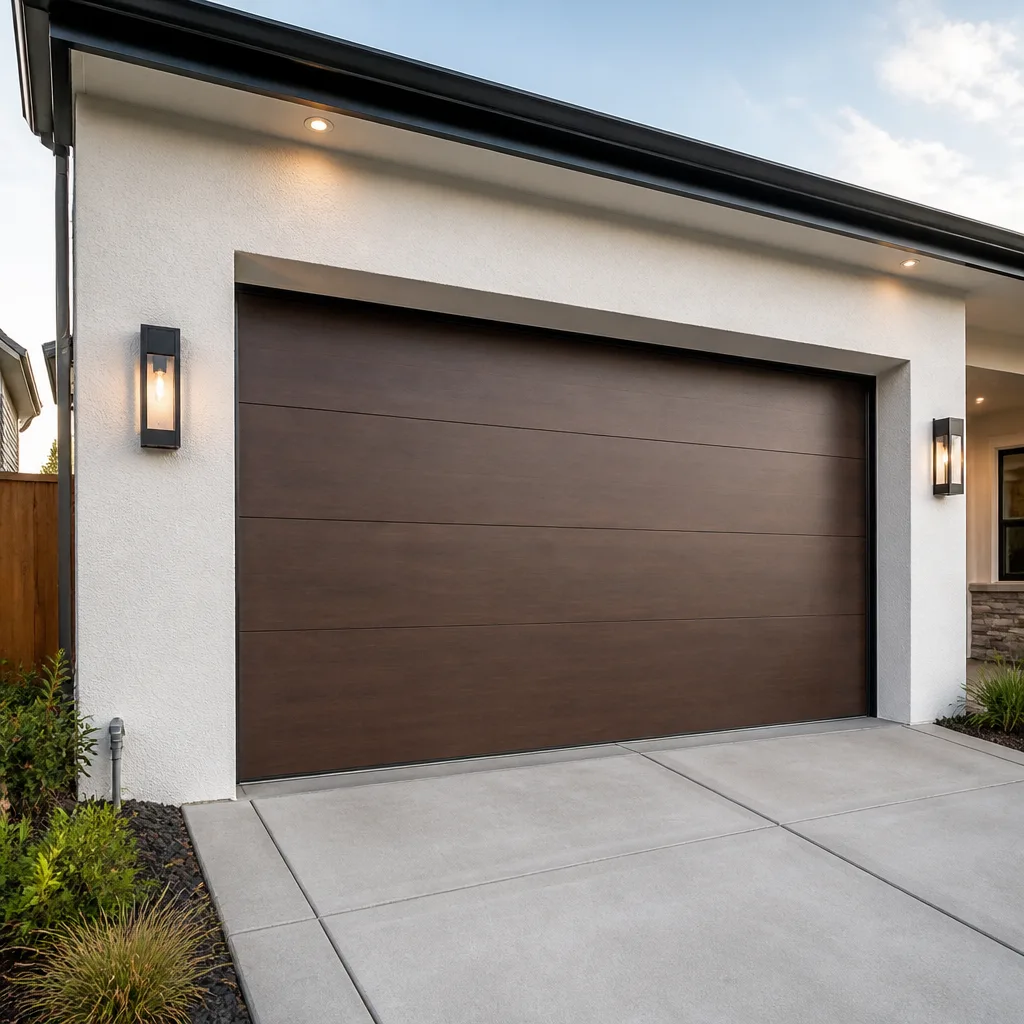 Modern flush
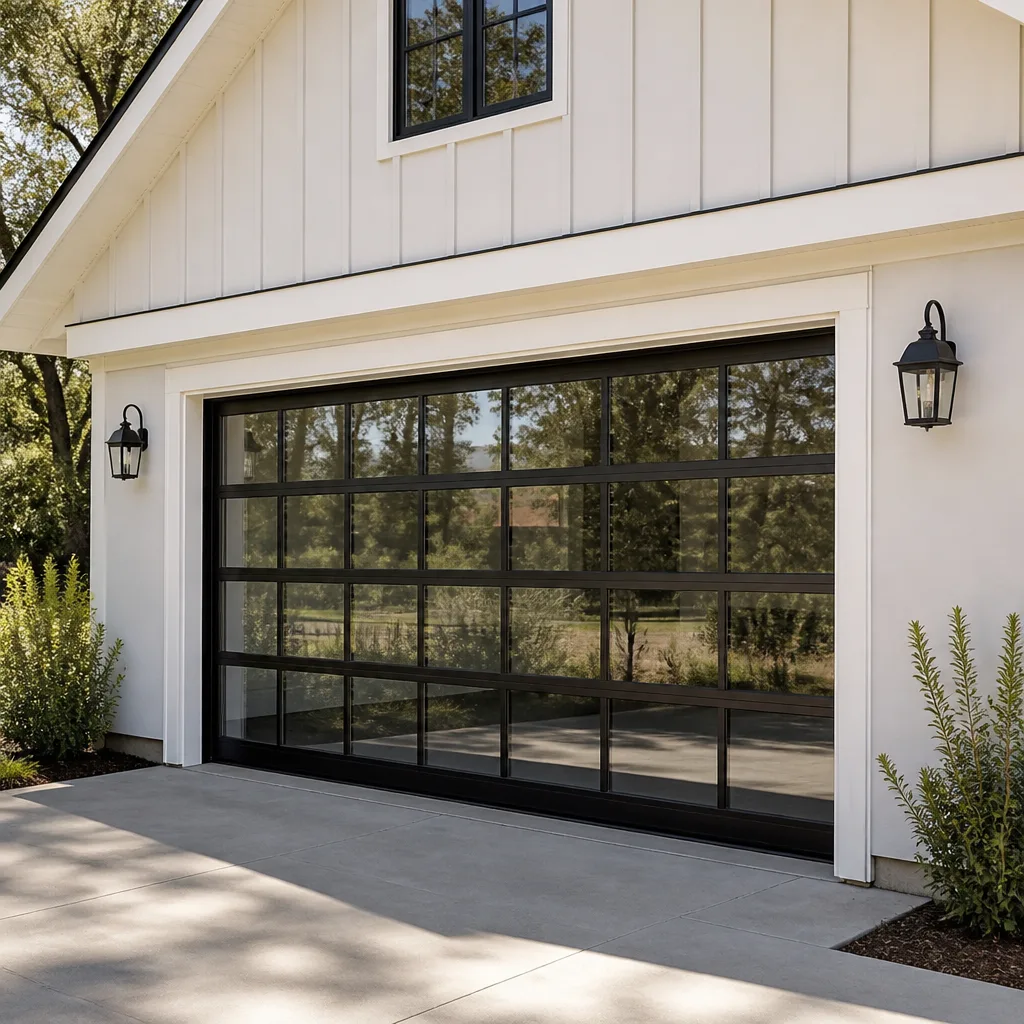 Full-view glass
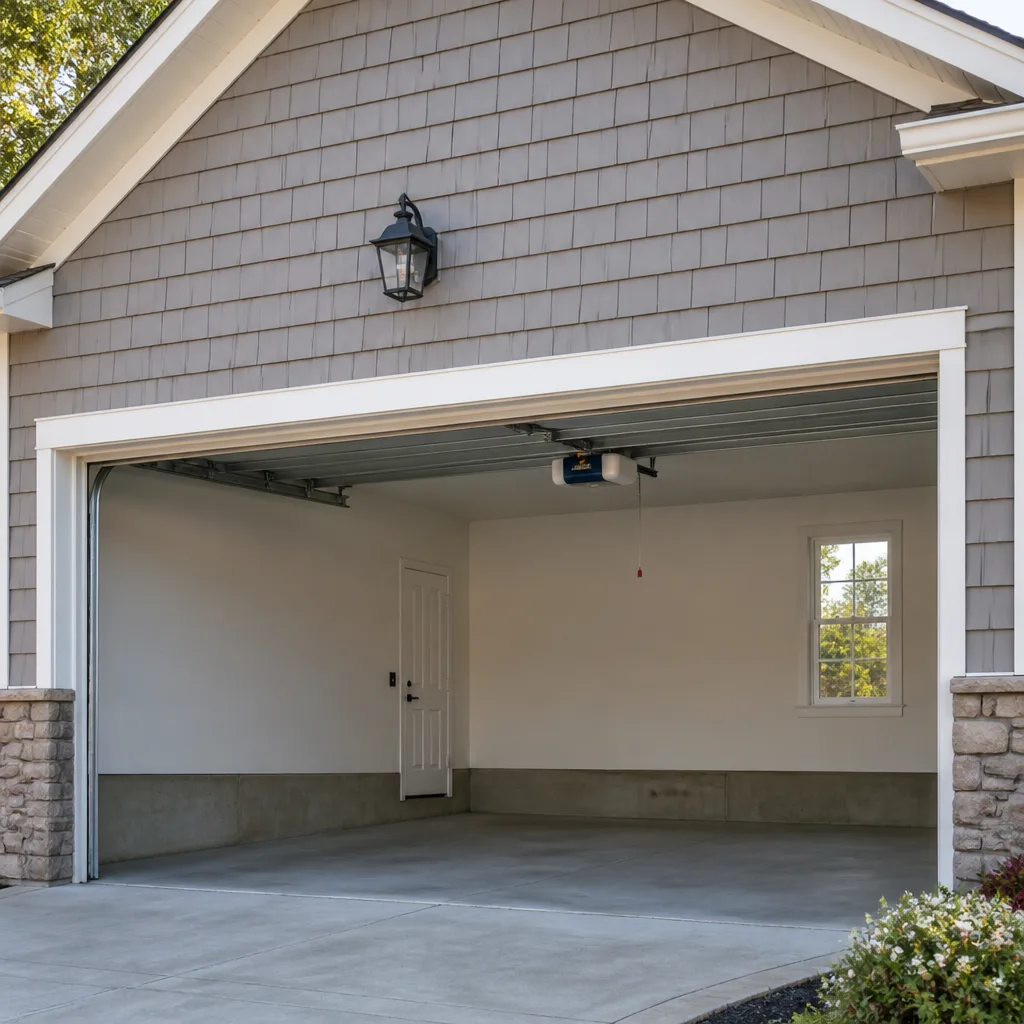 LiftMaster openers
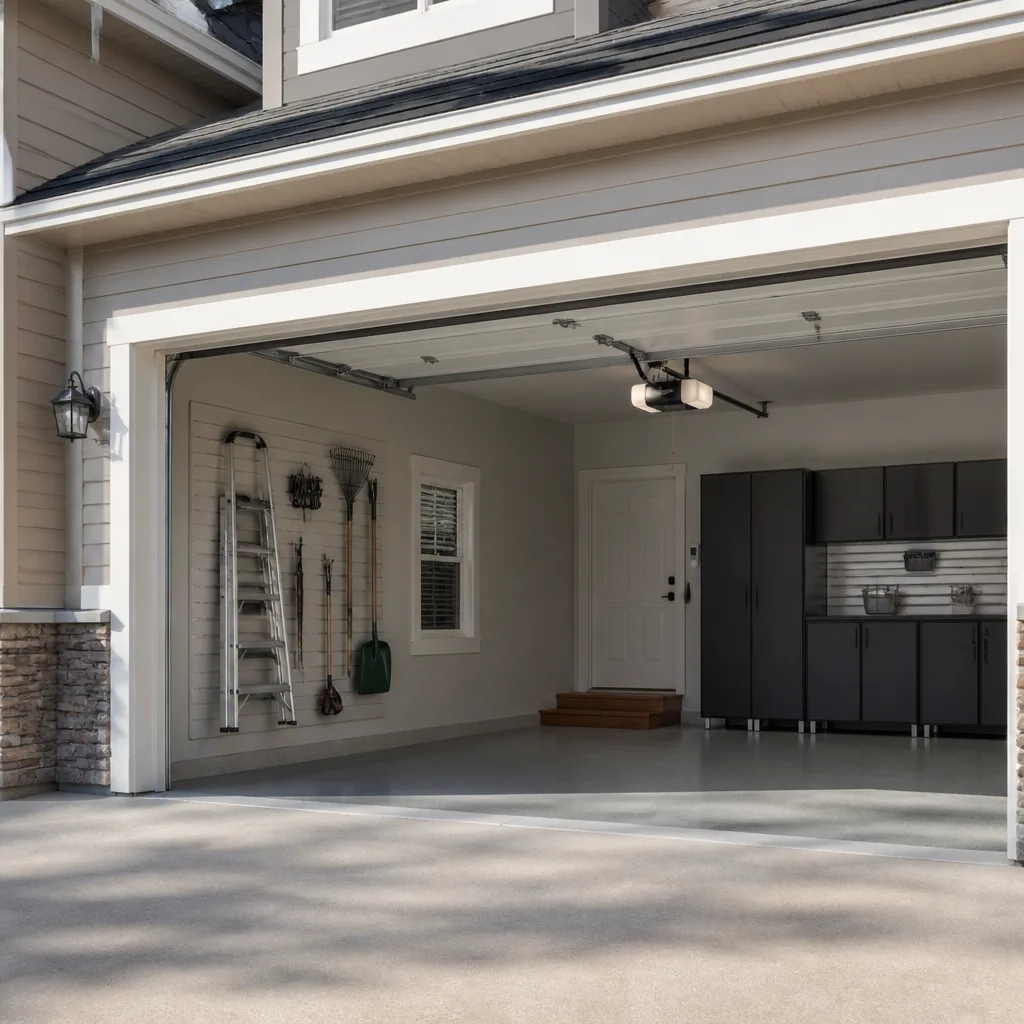 Chamberlain openers
Full 25-point door and opener safety check with every visit - springs, cables, rollers, tracks, and your LiftMaster or Chamberlain opener included
You get a price before we start. It does not change when the pro arrives.
Get your free estimateGarage Door Repair Troubleshooting in Minneapolis: Common Problems and How to Fix Them
A garage door that “just stopped working” is almost never a single mystery. It’s usually one of five mechanical systems that failed, and four of them tell you what went wrong before the door quits entirely. A door that reverses the moment it touches the floor is telling you something very different from a door that shudders, or one that hums but won’t move. The mistake most Minneapolis homeowners make is treating all of it as one problem, then guessing at a fix. This guide breaks garage door troubleshooting into a five-system framework – springs, cables, tracks, opener, sensors – so you can identify which one you’re dealing with, know exactly where do-it-yourself work stops being safe, and decide whether to call a technician.
Quick Answer
Most garage door problems in Minneapolis come down to five systems: torsion or extension springs, lift cables, the track and rollers, the opener, and the safety sensors. Spring and cable failures are dangerous and always require a technician, while track nudges, sensor alignment, and opener resets are often safe to check yourself. In cold Minneapolis months, metal contraction makes tracks and cables act up in ways that mimic bigger failures, so diagnosing the right system first saves you from paying for the wrong repair.
Styles & brands we work with
- Raised-panel steel
- Carriage house
- Modern flush
- Full-view glass
- LiftMaster openers
- Chamberlain openers
Table of Contents
- The Five-System Diagnostic Framework
- Springs: The System That Snaps Without Warning
- Cables: Slack, Fray, and the Cold-Weather Symptom
- Tracks and Rollers: When the Door Binds or Shudders
- The Opener: Humming, Moving Slowly, or Dead
- Safety Sensors: The Reversing Door Mystery
- Minneapolis Cold-Weather Failure Patterns
- Stop or Proceed: A Symptom Decision Tree
- Common Mistakes to Avoid
- When to Call a Professional
- Frequently Asked Questions
The Five-System Diagnostic Framework
Every garage door problem you’ll ever face traces back to one of five mechanical systems. Learning to sort a symptom into the right category is the whole game. It stops you from lubricating a hinge when the real problem is a sensor, or from assuming “the opener is dead” when the door has simply come off its track.
Here’s how each system fails, and what it sounds and looks like:
- Springs – The counterweight that makes the door feel light. They fail with a loud bang, or the door suddenly feels impossibly heavy and won’t stay up.
- Cables – The steel lines that lift and balance the door. They fray, go slack, or snap. A snapped cable often makes the door hang crooked.
- Tracks and rollers – The guide rails and wheels the door rides on. They bend, collect debris, or wear out, causing binding, shuddering, or grinding.
- The opener – The motor unit. It fails with humming, slow travel, or complete silence, and its circuit board or capacitor is often the culprit.
- Safety sensors – The small eyes near the floor that stop the door if something is in the way. Misalignment or a failed sensor makes the door reverse immediately.
Once you know which system is misbehaving, you know whether it’s a ten-minute adjustment or a job for trained hands. That’s the entire value of the framework. In our experience across Minneapolis homes, spring and cable failures account for the calls where homeowners were right to stop and pick up the phone, while track and sensor issues are often things a careful homeowner can check safely.
Springs: The System That Snaps Without Warning
If a garage door suddenly won’t lift, feels far heavier than it used to, or makes a sharp bang from inside the garage, a broken spring is the most likely cause. Springs carry the full weight of the door, and when one fails, the door becomes dangerous to operate – it can come down hard and fast.
You have one of two spring setups above your door:
- Torsion springs – Mounted on a horizontal shaft above the door, wound tight. Common on newer and heavier doors. They can fail with a single loud report.
- Extension springs – Mounted along the horizontal tracks on each side, stretching as the door closes. Common on older doors. Safer to inspect visually because you can often see the break.
Here’s the part that matters for safety: a broken spring is not a repair to attempt yourself. The torsion shaft holds hundreds of pounds of stored tension, and the winding bars, cables, and drums attached to it can release violently if handled wrong. The garage door repair professionals who work on springs every day wear the right tools and take the right precautions for a reason.
What you can safely do is confirm the diagnosis. Look at the springs without touching them. A torsion spring shows a visible gap where it’s broken; an extension spring shows a clear separation. If you see either, stop operating the door and call for help. A matched pair of springs is usually replaced together when one fails, because both have taken the same wear. If you’re unsure what you’re looking at, a free estimate will tell you what’s actually broken. Call (855) 213-4171 and we’ll take a look.
Cables: Slack, Fray, and the Cold-Weather Symptom
Lift cables are the second-highest-tension part of your door system, and they’re the reason a door sometimes hangs crooked or won’t close evenly. A cable that’s snapped, come off its drum, or gone slack on one side will pull the door out of square.
Watch for these signs that point to the cables:
- The door lifts or closes at an angle – one side higher than the other.
- A visible fray near a drum or a roller bracket.
- A cable hanging loose along the track.
- Grinding or scraping from one side as the door travels.
Cables, like springs, are under tension and are a stop-and-call item. A loose cable can whip or snap back. Don’t try to reattach one to a drum; that’s a job for a trained technician with the door properly secured.
Here’s the Minneapolis wrinkle. In sub-zero stretches, cold air causes metal to contract, and that contraction can create a bit of slack in a cable that was fine in November. That slack can let the door ride off track or bind, and homeowners sometimes read it as a track problem when the real issue is cold-weather cable tension. It’s a pattern we see every hard freeze in Minneapolis. If a door acts up only on the coldest mornings and settles down by afternoon, note that when you call – it points straight at the cable and spring tension rather than the rails.
Tracks and Rollers: When the Door Binds or Shudders
A door that shudders, grinds, or binds partway up is usually fighting its tracks or rollers. This is the one system where a careful homeowner can do real diagnosis without risk.
Tracks fail in predictable ways:
- Bent rails – From a bumped track or a door that came off its rollers. The door drags or jumps the rail.
- Debris – Dirt, ice, or small objects lodged in the channel.
- Worn rollers – Flattened or cracked rollers make the door rumble and bind.
- Loose brackets – The mounting brackets work loose and let the rail shift.
What you can check: with the door fully closed, eyeball the vertical tracks for obvious bends and look at the rollers for cracks or flat spots. If a track is just slightly out of plumb, a gentle adjustment with a rubber mallet is something careful homeowners handle. If a rail is actually bent or a roller is shot, that’s a part replacement, and the door shouldn’t be forced.
In Minneapolis, the cold makes track issues worse because contraction can make a rail feel out of alignment when the door is catching on a cold-stiffened roller or a bit of ice in the channel. Before assuming the track bent, check the roller condition and clear any ice or grit. If the door still binds on a mild day, the track likely needs realignment or replacement. Either way, don’t force a binding door – the opener will fight it and wear out faster. Our technicians have up to 8 years of experience sorting track alignment from roller wear, and we carry the parts for the doors already on your home.
The Opener: Humming, Moving Slowly, or Dead
When the door’s mechanics are fine but the motor misbehaves, the opener is the system in play. The two symptoms homeowners constantly misread are “it hums but won’t lift” and “it moved slowly and eventually quit.”
Here’s what those actually mean:
- Humming but not moving – Often a stripped gear, a bound door the opener can’t move, or a failed capacitor. If the door is heavy or binding, the motor may be straining against a spring or track problem, not failing on its own.
- Moving slowly – Usually a weakening capacitor or a motor working against too much resistance. Lubrication won’t fix a slow opener; the motor is telling you it’s tired.
- Completely dead – Check the wall outlet and the opener’s circuit before assuming the unit is gone. Dead units are often a tripped breaker or a failed logic board.
The critical diagnosis: before blaming the opener, confirm the door itself moves freely by hand when disconnected. If the door is heavy or binding, the opener is the symptom, not the cause – a spring, cable, or track issue is forcing the motor to strain. Fix the door and the opener often starts behaving again.
Our opener work covers the brands most Minneapolis homes already have installed – LiftMaster, Chamberlain, Genie, and Craftsman among them – so we diagnose and repair without guessing at the make. See our garage door opener repair page for the full picture of how we handle motor, board, and capacitor problems. If the unit is beyond economic repair, we install new ones, and we don’t steer you to a brand for margin reasons. We work on what’s on your wall.
Safety Sensors: The Reversing Door Mystery
A door that starts to close and then reverses immediately, doors that won’t close at all with the button, or a light that flashes when you press “close” – those usually point to the safety sensors, not the springs. It’s the single most common misdiagnosis we correct.
The sensors are the two small eyes mounted near the floor on each side of the door. They shoot an invisible beam across the opening. If that beam is interrupted, or the eyes are misaligned, or one sensor has failed, the door refuses to close or reverses the moment it starts down.
What you can safely check:
- Look at each sensor’s indicator light. A steady light on both sides usually means aligned and working. A blinking or dark light points to the problem side.
- Wipe dust, spider webs, or ice off both lenses. In Minneapolis winters, frost and road grit on the lens can break the beam.
- Gently nudge a sensor back toward straight if it looks knocked off-angle, and see if the indicator steadies.
- Make sure nothing – a rake, a bike, a snow shovel – is standing in the beam path.
If cleaning and a gentle realignment don’t restore the door, the sensor or its wiring has failed and needs replacing. Don’t disable the sensors to “fix” the reversing door. They exist to stop the door on a child, a pet, or an object, and bypassing them creates a real hazard. Sensor replacement is a straightforward, low-cost repair. Call (855) 213-4171 for a free estimate and we’ll confirm it’s the sensors before anything else is touched.
Minneapolis Cold-Weather Failure Patterns
Cold changes how garage doors fail, and Minneapolis winters produce a specific set of patterns worth knowing. Metal contracts in sub-zero air. Grease thickens. Ice gets into places water never reaches in summer. The result is a cluster of symptoms that imitate failures you’d diagnose completely wrong in July.
The patterns to recognize:
- Cold-contraction slack – A cable that was tight in fall develops a little slack in a deep freeze, letting the door ride off track or bind. Homeowners read it as a bent track and adjust the rail, when the real fix is a cable and tension check.
- Ice in the track channel – Meltwater runs into the track and refreezes. The door screeches, binds, or jumps rollers. Clearing the ice and checking the weather seal often resolves it.
- Stiff, heavy rollers – Sealed or worn rollers stiffen in the cold, and the door feels heavier and travels roughly. Often a roller replacement, not a track job.
- Frozen weather seals – An old bottom seal can freeze to the floor and stall the opener or make the door reverse. A damaged seal lets snow and grit in, which then starts a track problem.
- Cold-shocked springs – Springs are under constant stress, and the metal is stiffer in the cold. Failures cluster in deep-freeze stretches, which is why a spring can snap on the coldest morning of the year.
Because contraction mimics track misalignment and cable slack looks like a track problem, the cold-weather rule in Minneapolis is: diagnose the spring and cable tension before touching the tracks. If your door misbehaves only on the coldest days and behaves again when it warms up, that pattern alone points away from the rails. When in doubt, describe the “only when it’s cold” behavior to a technician and let the diagnosis follow the evidence rather than the obvious guess.
Stop or Proceed: A Symptom Decision Tree
Use this to sort a symptom into the right system and decide whether you can safely check it or need a technician. The rule is simple: anything under stored tension is a stop.
- The door won’t lift, feels very heavy, or you heard a bang. Probable system: springs. Stop. Don’t force the door, don’t operate the opener. Call a technician.
- The door hangs crooked or a cable is visibly loose or frayed. Probable system: cables. Stop. Don’t try to reattach or tighten a cable. Call a technician.
- The door shudders, grinds, or binds partway up. Probable system: tracks and rollers. Proceed carefully. With the door closed, check for obvious bends, debris, or ice, and inspect roller condition. A gentle nudge on a slightly out-of-plumb vertical track is safe. A bent rail or damaged roller needs a technician.
- The door reverses immediately as it closes, or the light flashes. Probable system: sensors. Proceed carefully. Clean the lenses, check for obstructions, and realign gently. If it persists, call a technician.
- The opener hums but won’t move, moves slowly, or is silent. Probable system: opener, but check the door first. Disconnect the door and try to lift it by hand. If the door is heavy or binds, it’s a spring, cable, or track problem – stop. If the door moves freely by hand, it’s an opener issue you can book a repair for.
That order matters. Most “dead opener” calls are actually strain from a door that’s fighting a spring or track. Diagnose the door before you diagnose the motor, and you’ll rarely get the wrong answer.
Common Mistakes to Avoid
These are the missteps we see most often when homeowners try to troubleshoot on their own:
- Lubricating everything before diagnosing. A shot of grease hides the symptom for a day and then returns worse. Grease on a cold Minneapolis track can thicken and bind the door, masking the actual problem and accelerating wear on rollers and hinge pins.
- Assuming a reversing door means a broken spring. A door that reverses immediately is almost always a sensor issue. Replacing springs you don’t need is expensive, and it leaves the real problem unsolved.
- Forcing a heavy door by hand. If the door feels far heavier than normal, a spring or cable is involved. Pulling harder can bring the door down or snap a cable back. Stop and call.
- Bypassing the safety sensors to get the door to close. Disabling the sensors removes the protection that stops the door on a child or pet. It’s a serious hazard, and it’s not a fix.
- Adjusting track alignment when the real issue is cold-driven cable slack. In Minneapolis winters, contraction creates slack that mimics a bent track. If you chase the rail and it “fixes” in warmer weather, the cable was the problem all along.
- Tightening every loose bracket you can reach. Over-tightening track brackets on a cold day can pull a rail out of plumb and turn a small wobble into a binding door.
- Calling a repair without telling the technician the brand. Brand matters for getting the right part on the first visit. A technician who knows your opener or door make – LiftMaster, Chamberlain, Genie, Craftsman, Clopay, Amarr, Wayne Dalton, or Raynor – diagnoses faster and carries the right part.
See the difference
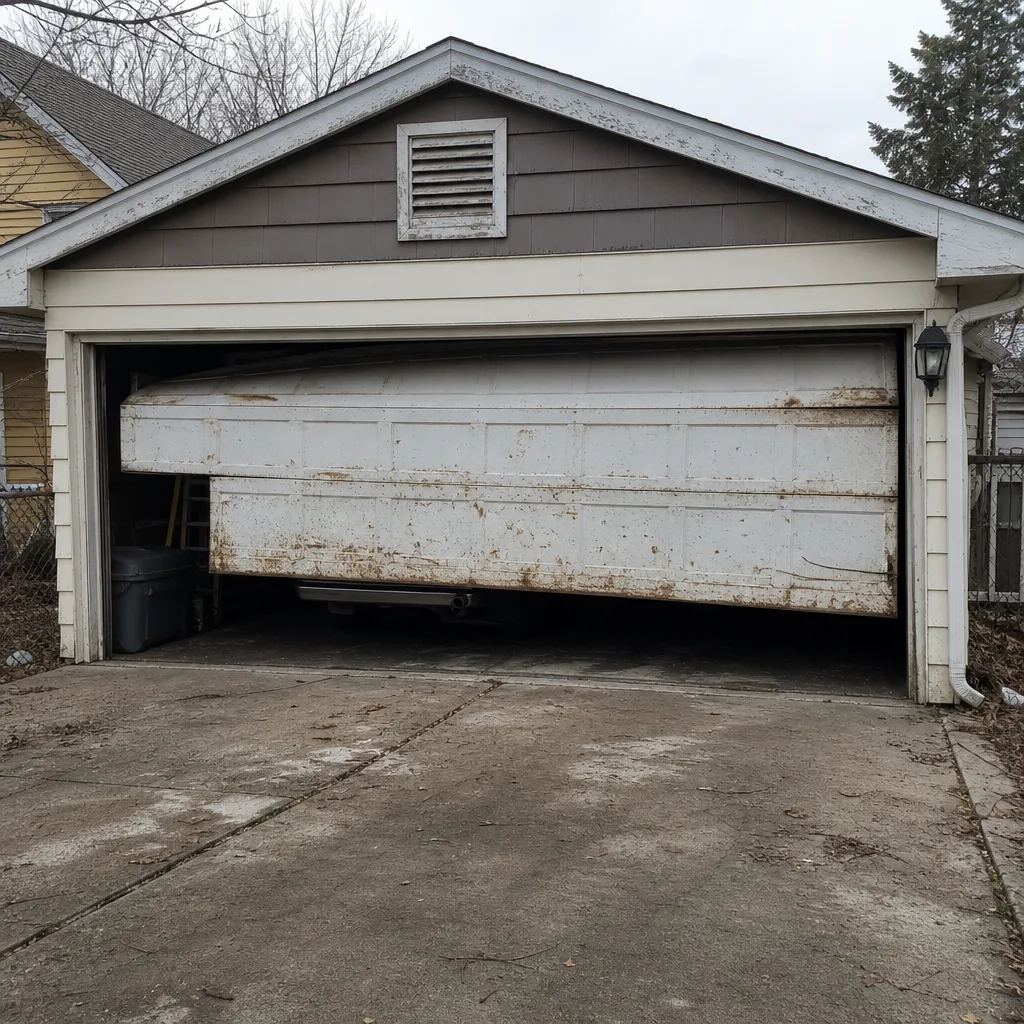 Before
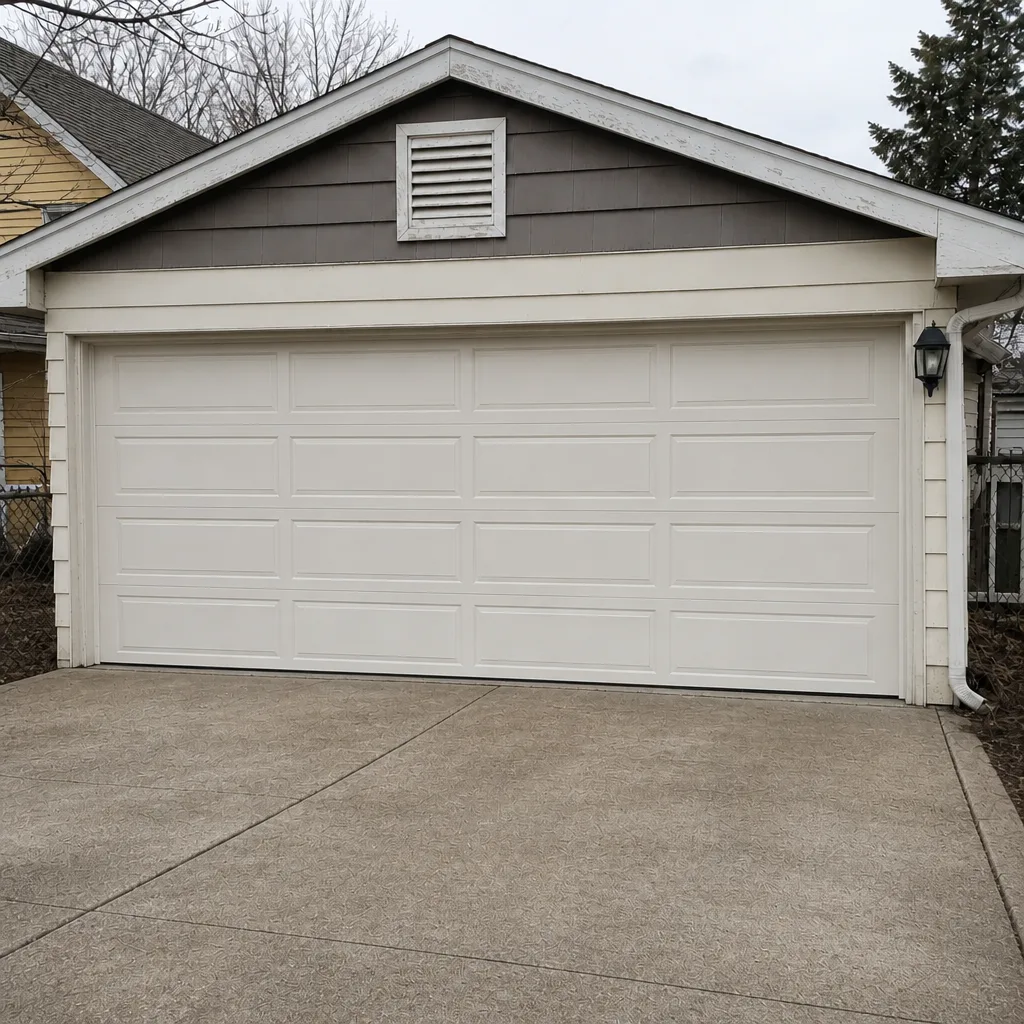 After
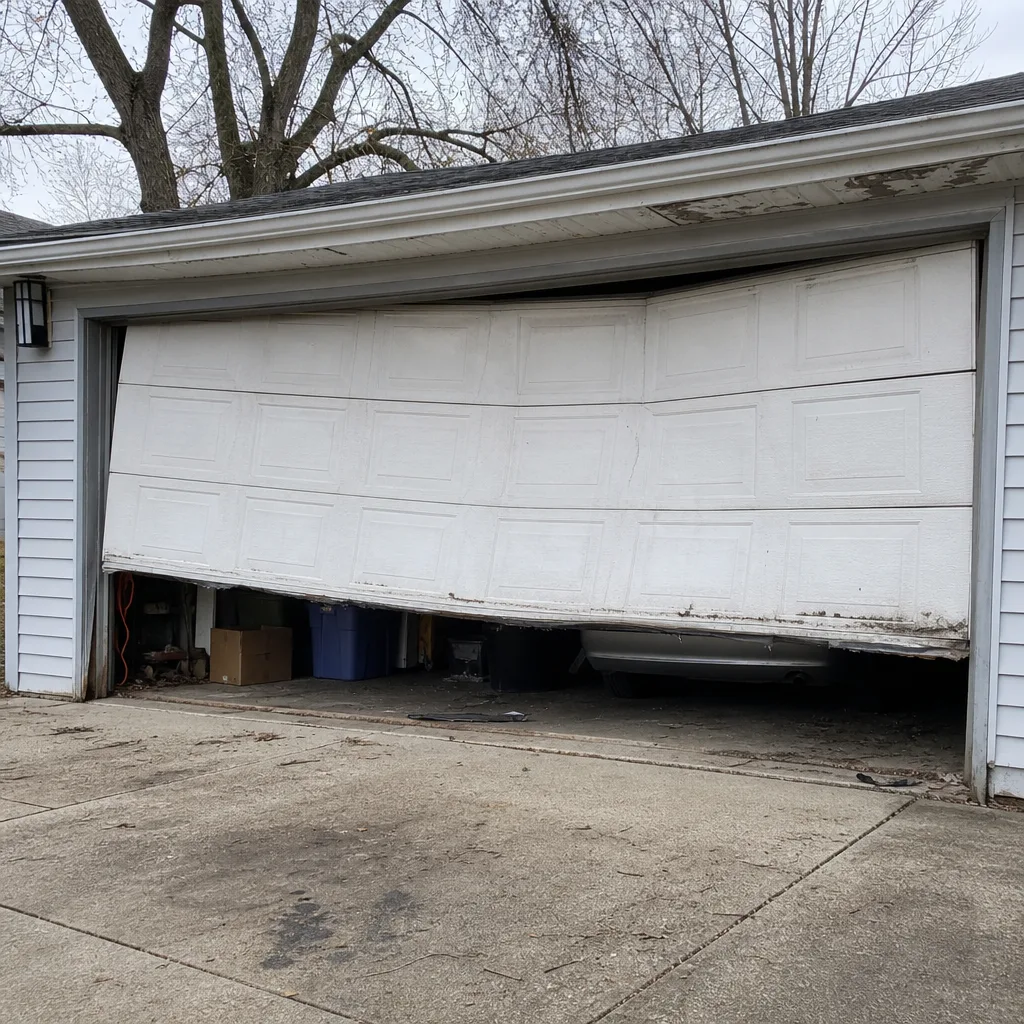 Before
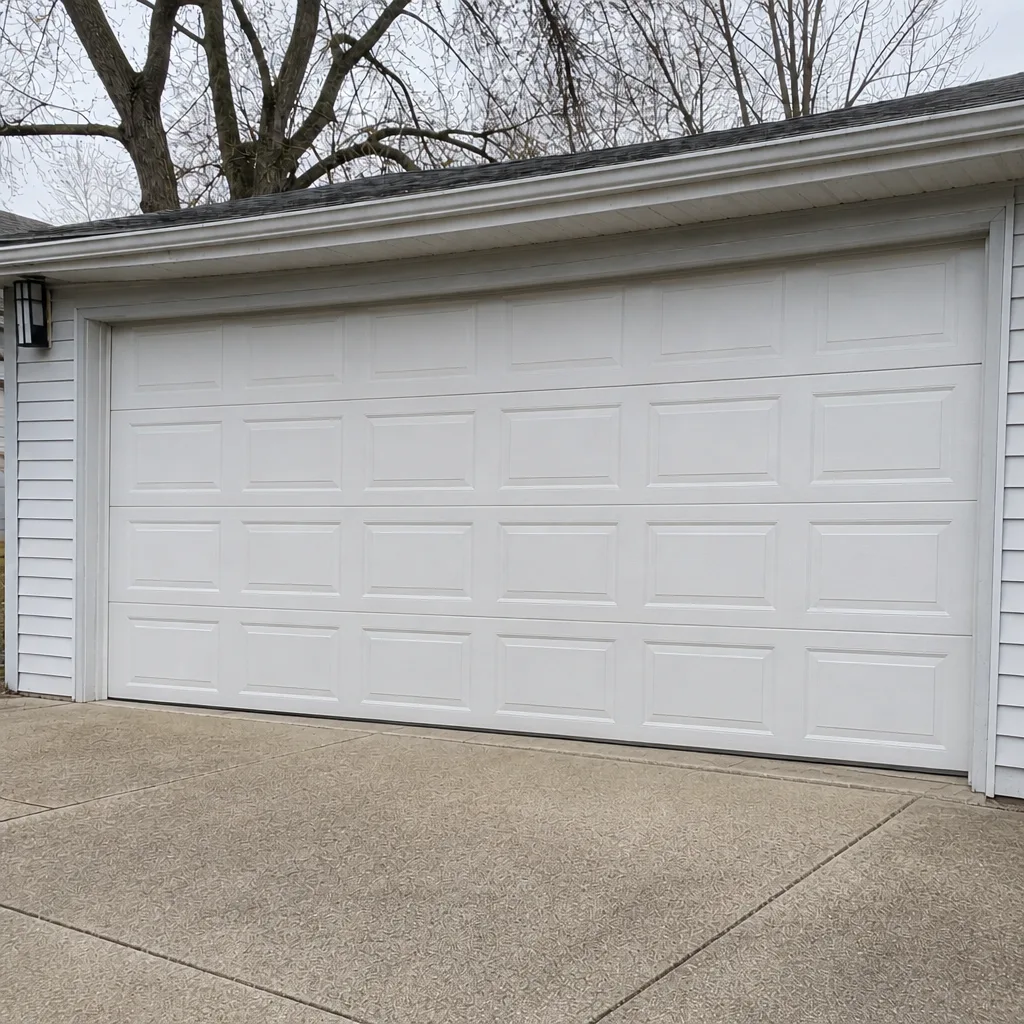 After
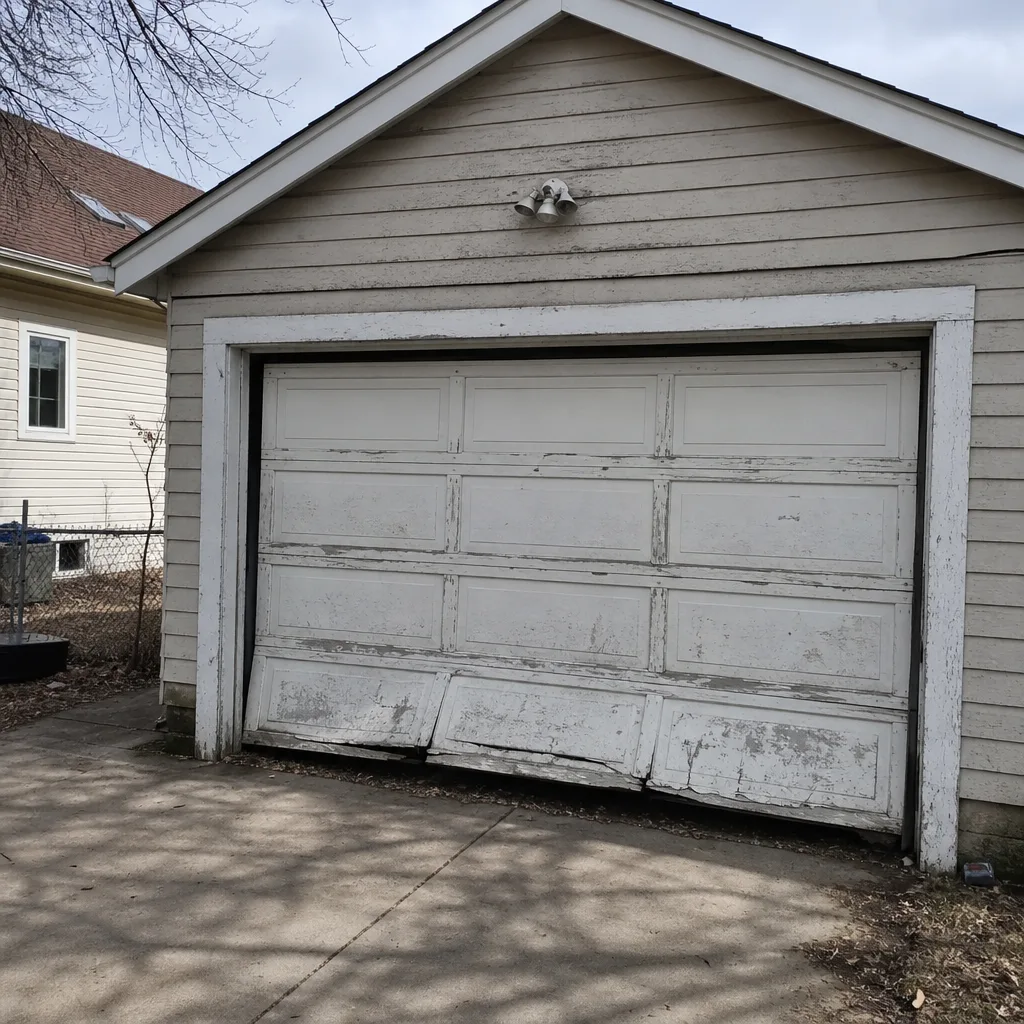 Before
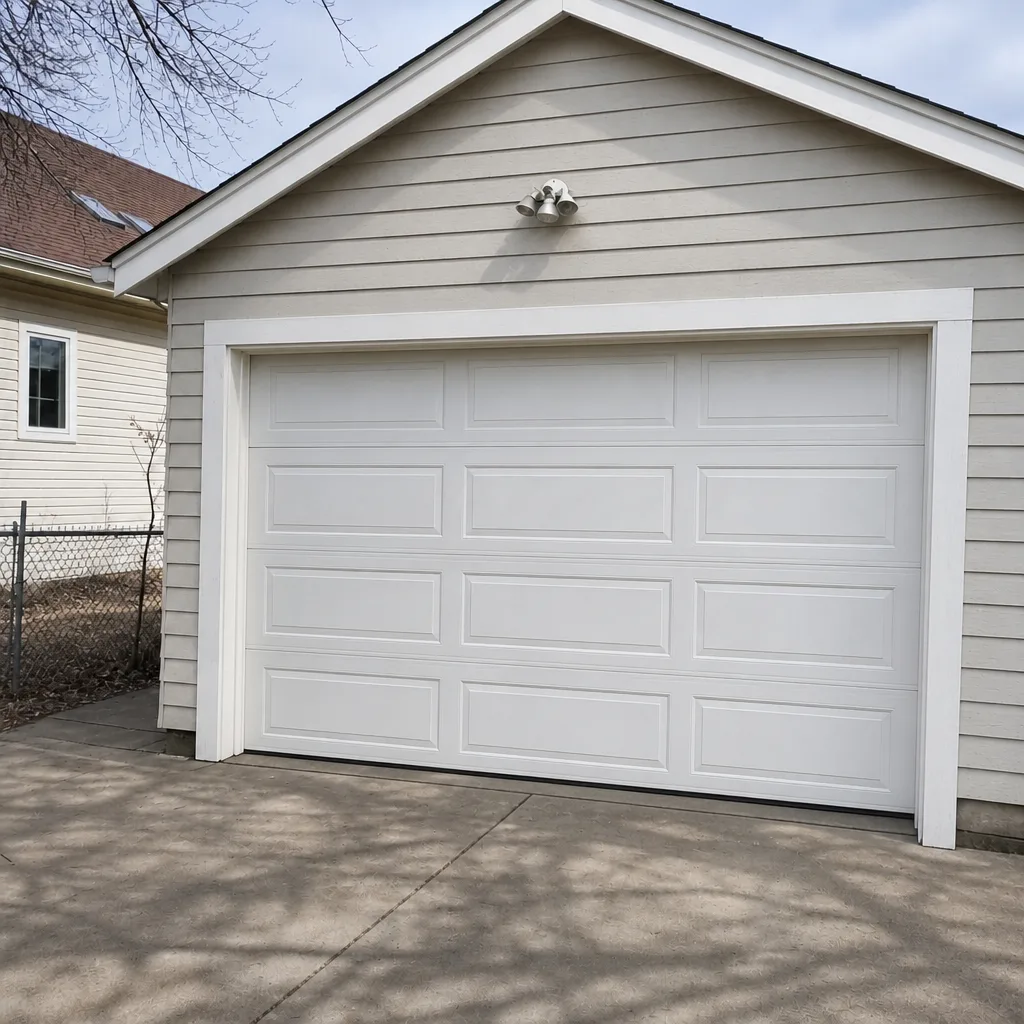 After
When to Call a Professional
Call a professional the moment two things are true: the symptom falls in the spring, cable, or “dead opener with a heavy door” category, or it involves any part under stored tension. That covers broken springs, snapped or slack cables, a door that won’t lift or hangs crooked, and any opener repair where you’ve confirmed the door itself moves freely but the motor still won’t cooperate. Also call if a sensor issue doesn’t clear after a careful clean and realignment, or if a track is actually bent rather than slightly out of plumb.
For everything else – a track you can nudge straight, a sensor that needs a wipe, an opener that needs a reset – a careful check is fair game. When you do call, tell the dispatcher what the door does, which system you suspect, and whether it happens only in cold weather. That detail gets the right technician to the right diagnosis on the first visit.
Parkway Garage Door Repair offers free estimates in Minneapolis – call (855) 213-4171. We answer 24/7. Fast dispatch from 7am to 7pm, Sunday through Friday. The price is quoted and agreed before any work starts, so the written estimate is the number you’ll see.
Frequently Asked Questions
Try to lift the door by hand with the opener disconnected. If the door is heavy and won’t stay up, the spring is the problem and the opener is just straining. If the door lifts easily by hand but the opener hums or stalls, the opener itself is the issue. Either way, don’t force a heavy door – call (855) 213-4171 for a free estimate and we’ll confirm the diagnosis before anything is touched.
That’s almost always the safety sensors, not the springs. A misaligned, dirty, or failed sensor breaks the beam and the door reverses to stay safe. Clean both lenses, check for anything in the path, and gently straighten a sensor that looks knocked off-angle. If the door still reverses, the sensor or its wiring has failed and needs replacing. Call (855) 213-4171 and we’ll confirm it’s the sensors before any other repair is considered.
Cold air contracts metal, which creates slack in cables and stiffens rollers and grease, so the door fights its tracks and feels heavier than in summer. If your door misbehaves only on the coldest mornings and acts normal when it warms up, that pattern points to cold-driven cable or roller issues rather than a bent track. Clear any ice from the track channels and check the bottom seal. If it persists on mild days too, call (855) 213-4171 for a free estimate and we’ll sort the cause from the cold-weather symptom.
No. A torsion spring holds hundreds of pounds of stored tension, and mishandling the shaft, winding bars, or drums can cause serious injury. The safe choice is to stop operating the door and call a technician. Call (855) 213-4171 for a free estimate – we replace springs and matched pairs and set the price in writing before any work starts.
It usually means the opener is straining against a door it can’t lift, often a spring, cable, or track problem rather than the motor itself. Disconnect the door and try to lift it by hand. If it’s heavy or binds, stop and call – the opener isn’t the real cause. If the door moves freely by hand, the opener has an internal issue like a stripped gear or failed capacitor. Call (855) 213-4171 for a free estimate and we’ll diagnose the opener and the door together.
No. One call covers the door and the opener, and we work on the brands already on your home. Our technicians handle repair, opener repair, and installation, and we’re trained across the door and opener brands most Minneapolis homes have installed, including Amarr, Wayne Dalton, Craftsman, and Raynor. If a repair stops making sense and replacement does, we move to installation with the same company. Call (855) 213-4171 for a free estimate.
The Bottom Line
Garage door troubleshooting gets much simpler once you stop treating a failure as one mystery and start sorting it into the right system. Springs and cables are stop-and-call, every time – they’re under tension and dangerous to touch. Tracks, rollers, and sensors are safe to check carefully, as long as you clear ice and debris first and don’t force a binding door. The opener is the symptom more often than the cause; check the door by hand before blaming the motor. And in Minneapolis, remember that cold contracts metal and mimics problems that don’t exist in summer, so a door that only acts up in a deep freeze is telling you it’s a cable or roller, not a bent track. Diagnose the system first, then decide whether to proceed or call.
If your diagnosis points to a stop-and-call system, we’re ready to help. Parkway Garage Door Repair connects Minneapolis homeowners with technicians who work on the brand already on your home, so the problem gets sorted on the first visit. Call (855) 213-4171 for a free estimate. We answer 24/7. Fast dispatch from 7am to 7pm, Sunday through Friday. The price is quoted and agreed before any work starts. For the wider picture of what we do, start with Parkway Garage Door Repair, and when it’s time to move from repair to replacement, our installation team handles premium door brands including Clopay, Amarr, Wayne Dalton, and Raynor.
Written by the team at Parkway Garage Door Repair.