
Last updated November 15, 2026
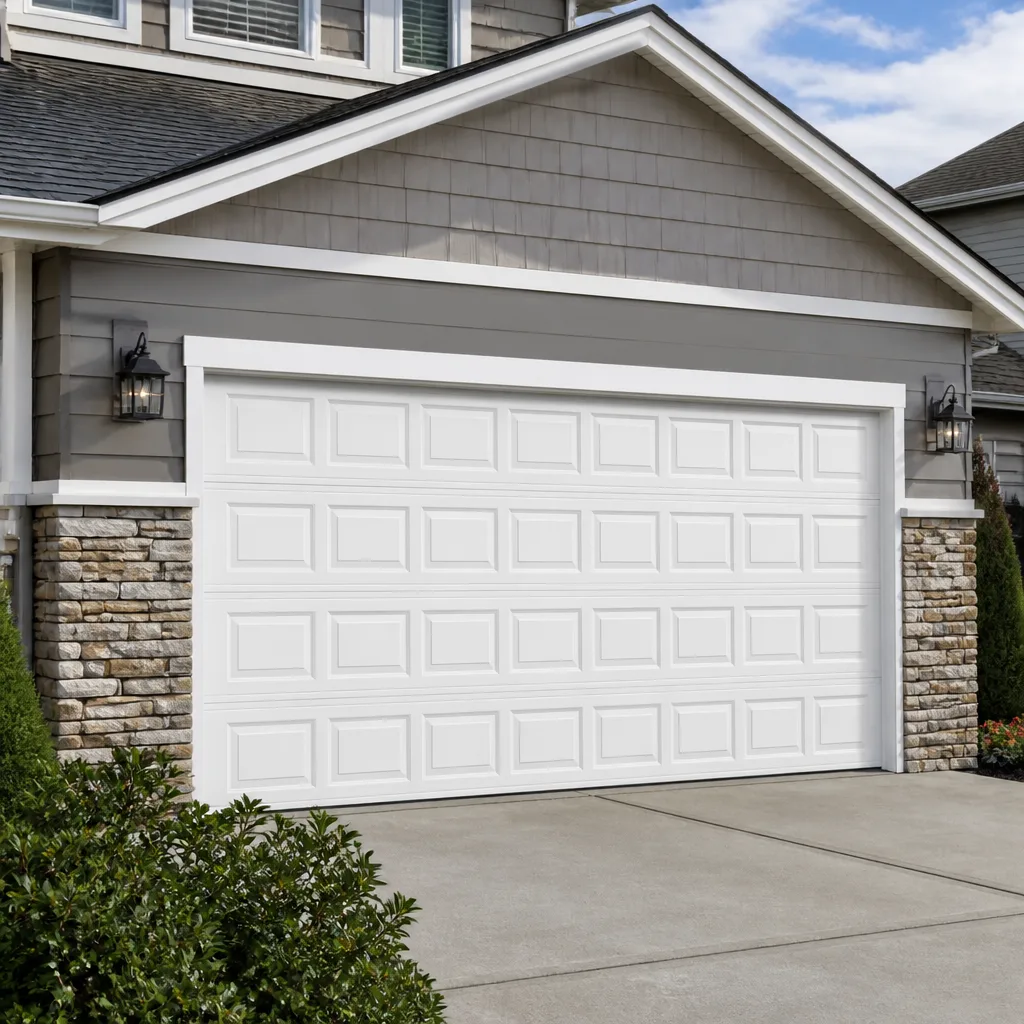 Raised-panel steel
 Carriage house
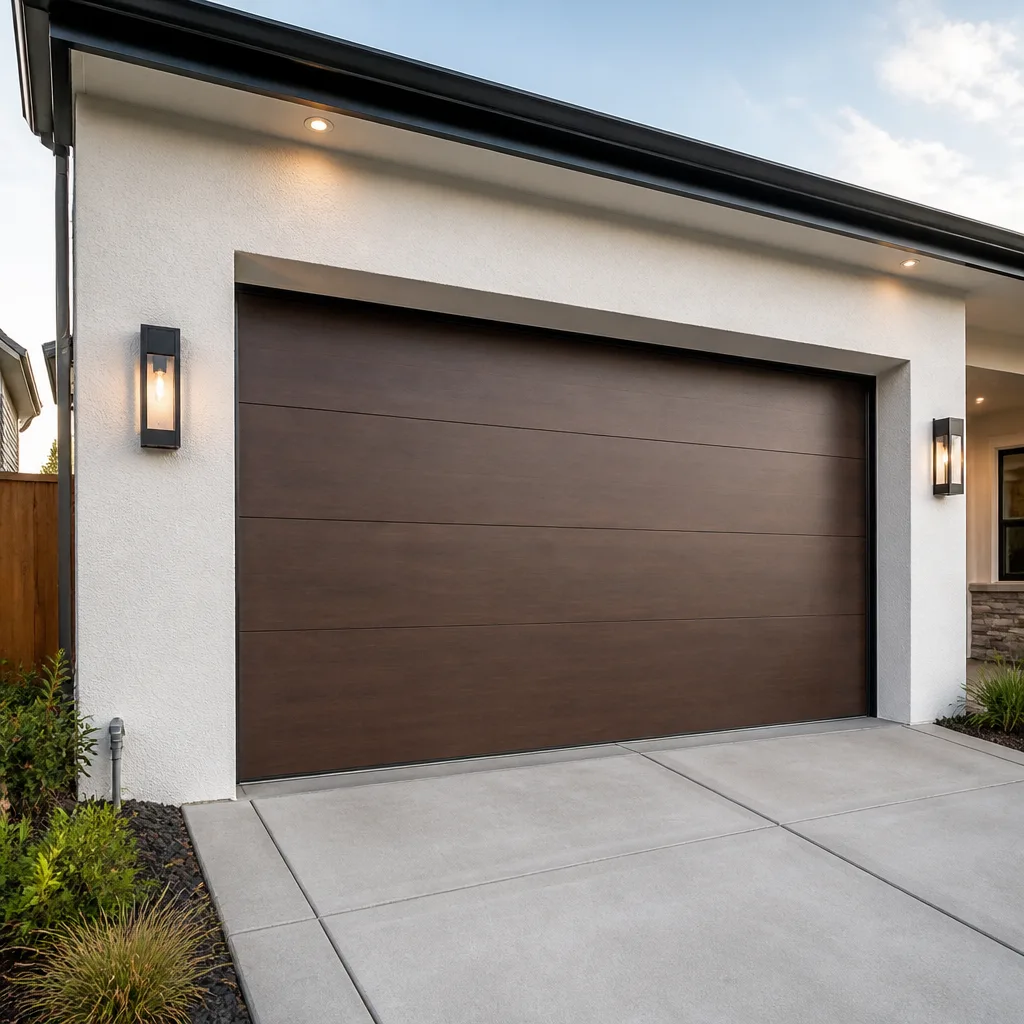 Modern flush
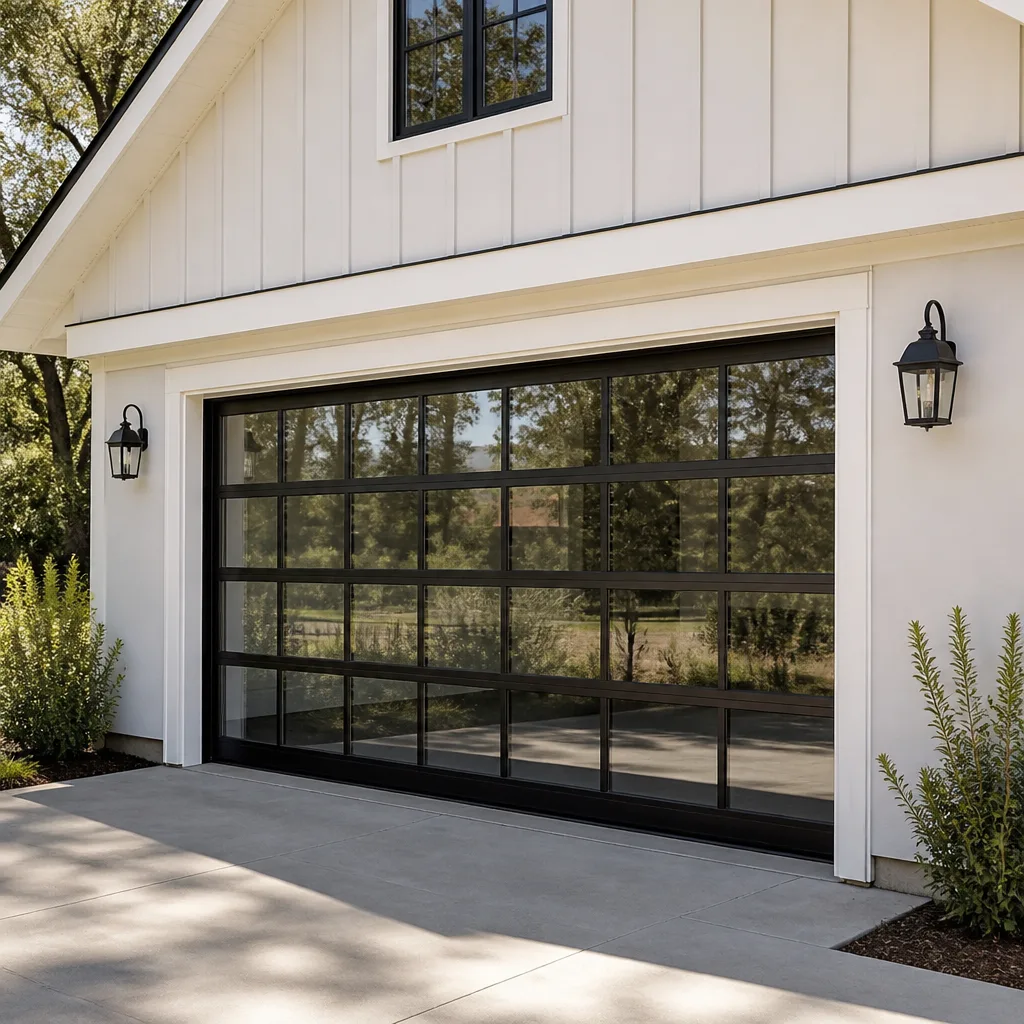 Full-view glass
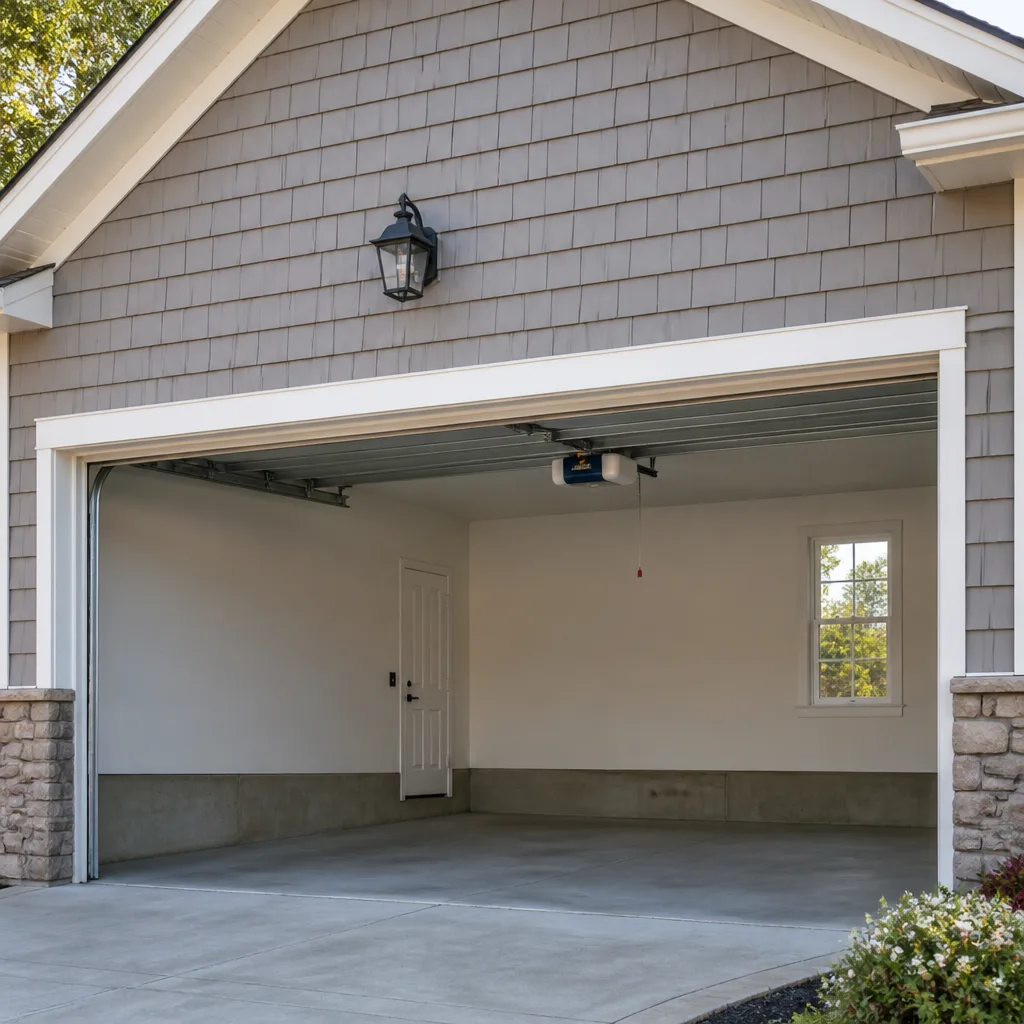 LiftMaster openers
 Chamberlain openers
Full 25-point door and opener safety check with every visit - springs, cables, rollers, tracks, and your LiftMaster or Chamberlain opener included
You get a price before we start. It does not change when the pro arrives.
Get your free estimateGarage Door Repair Maintenance Schedule: What to Do and When
Most garage door maintenance checklists say the same thing: lubricate the springs twice a year and you’re done. But in Minneapolis, when you do that work matters as much as whether you do it. A torsion spring lubricated in October in Minneapolis is heading into winter with fresh protection. The same task delayed to November can leave a spring dry and stiff just as the temperature drops to -15°F, which is when metal is most brittle and most likely to snap. That’s the difference between maintenance that works and maintenance that just feels productive. This guide lays out a maintenance schedule built around the Minneapolis calendar, from pre-freeze prep to the April thaw that exposes what winter did. You’ll learn what to check, when to check it, and what’s worth calling a professional for.
Quick Answer
The short version: lubricate moving metal parts once a year in early-to-mid fall before the first hard freeze, test the manual release and safety reverse every month, and do a full inspection in October before winter and again in April after the thaw. In Minneapolis, the March-April freeze-thaw window is when most failures surface, so plan for it. Springs, cables, and high-tension parts are professional territory; everything else on this list is visual checking and basic care you can do yourself.
Styles & brands we work with
- Raised-panel steel
- Carriage house
- Modern flush
- Full-view glass
- LiftMaster openers
- Chamberlain openers
Table of Contents
- The Minneapolis Maintenance Calendar: Month by Month
- Fall Prep: What to Do Before the First Hard Freeze
- The March-April Thaw: The Highest-Failure Window
- Summer: Heat, Humidity, and Your Opener
- Which Lubricants Actually Work in a Minnesota Winter
- The Manual Disconnect Test Most Homeowners Skip
- Your 15-Minute Seasonal Inspection Routine
- Common Mistakes to Avoid
The Minneapolis Maintenance Calendar: Month by Month
A year-round schedule built around Minnesota weather isn’t just tidier than a generic quarterly list. It puts the right task in front of the right season, so you’re not lubricating a hinge in July when it really needed to happen the week before the first hard freeze. Here’s the calendar we recommend for homes in Minneapolis, with each month tied to a physical event, not an arbitrary date.
- March (first thaw): Visual inspection of springs, cables, and hinges after the freeze-thaw cycle. Look for fraying, rust bloom, or gaps in the coils. Listen for snapping or popping.
- April (post-thaw): Full inspection and balance test. Clean tracks of grit and winter debris. Test the opener’s auto-reverse and safety eye alignment.
- May-June: Wipe down tracks with a damp cloth. Check hinge screws and tighten any that have worked loose. Inspect the bottom weather seal.
- July (peak heat): Opener check: listen for motor strain, odd noises, or hesitation. Extreme heat can reveal a failing capacitor or a motor working too hard against a dry or misaligned door.
- August: Lubricate the rollers and hinges lightly if the door has been noisy. Check the door balance again before fall.
- September-October (pre-freeze): The most important maintenance window of the year. Lubricate all moving metal before the cold sets in, inspect weather seals, and test the manual release.
- November-February: Monthly visual checks and opener safety tests. Keep the tracks clear of ice and snowmelt from vehicles.
The temptation is to do everything at once in spring and forget about the door until something breaks in winter. Parking on that schedule is what turns a $150 hinge-and-roller tune-up into a snapped spring in January. In Minneapolis, the October window is the one to protect.
Fall Prep: What to Do Before the First Hard Freeze
October is the most important maintenance month on the Minneapolis calendar, and not by a small margin. Once the first hard freeze hits, metal contracts, lubrication stiffens, and every dry hinge on the door starts grinding. Anything you can lubricate or tighten in October is something you won’t be dealing with at 7am in January.
Here’s what fall prep involves, in order:
- Lubricate the springs, hinges, and rollers. Use a lubricant specified for cold weather (more on that below). Every coil of the torsion spring, every hinge pivot point, every roller stem. Don’t oil the tracks themselves.
- Inspect the weather seal. The bottom seal and side jambs take a beating in Minneapolis winters. A cracked or hardened seal lets in cold air and snowmelt, and it can freeze to the floor.
- Test the door balance. Close the door, pull the manual release, and lift it halfway. It should stay put with minimal effort. If it drifts up or down, the springs may need professional adjustment.
- Check the opener’s safety reverse. Place a small object in the door’s path (a roll of paper towels works) and close the door. It should reverse. If it doesn’t, the opener needs adjustment.
- Tighten the hardware. Hinges, brackets, and the track bolts all loosen slightly over time. A quick pass with a socket wrench prevents rattles and premature wear.
- Clear the tracks. Winter grit, ice, and road salt tracked in by vehicles can jam the door. Wipe the tracks clean and leave them dry.
If your door is a Clopay or an Amarr model with a specific recommended maintenance interval from the manufacturer, check the label on the door itself. Our technicians are trained on those brands and can tell you what your specific door needs when they’re out for a tune-up. That’s the kind of pre-freeze prep that makes the difference between a smooth winter and a spring repair bill.
The March-April Thaw: The Highest-Failure Window
March and April are the highest-failure window of the year for garage doors in Minneapolis. Why? The freeze-thaw cycle that Minnesota is famous for puts every component on the door through hundreds of expansion and contraction cycles over the winter. A spring that was fine in December can fail in March not because it suddenly broke, but because the stress of the temperature swings finally exposed a crack that had been there since fall. Warm daytime temperatures and cold nights make this the most punishing stretch of the year for garage door hardware.
What to inspect specifically during the thaw:
- Springs: Look for a visible gap in the coil, fresh rust, or a bowed shape. Even a hairline crack means the spring is on its way out.
- Cables: Fraying near the drum or at the bottom corner brackets is the most common sign of wear. Look for broken wire strands.
- Hinges: Rust bloom at pivot points means the hinge is dry and will eventually seize.
- Weather seal: The bottom seal likely took freeze damage. Run your hand along the bottom edge for cracks or stiff spots.
- Opener: The motor may have been working harder against a frozen or stiff door all winter. Listen for strain, grinding, or hesitation.
- Door balance: Re-test the balance after the thaw. If the door doesn’t hold position, the spring tension may have drifted.
If anything on this list looks off, call garage door repair before the problem escalates. In Minneapolis, April is the month we see the most repair calls from homes that made it through winter on borrowed time. Catching a worn cable in April costs far less than dealing with a snapped one in July.
Summer: Heat, Humidity, and Your Opener
Summer in Minneapolis brings a different set of stresses than winter. High heat and humidity expand the wood or composite components of the door, strain the opener motor, and reveal weaknesses that the cold masked. July is the peak-heat month to check the opener specifically, and it’s also when the door balance should get a quick retest.
What to check in summer:
- Opener motor strain: Listen to the opener run. If it sounds louder, slower, or more labored than it did in spring, the motor is working too hard. The most common causes are dry rollers, a misaligned track, or a failing motor capacitor.
- Safety reverse: The safety reverse test matters year-round, but it’s especially important in summer when the door may be used more often with kids and bikes in the driveway.
- Track alignment: Heat expansion can push a track out of alignment. Check that both tracks are straight and parallel. A door that binds or hangs up on one side is a track alignment issue.
- Weather seal: The bottom seal can shrink or crack in summer heat, especially if the door faces direct sun. A dry seal doesn’t seal.
- Hinges and rollers: A light lubrication in August, if the door is noisy, will keep things quiet until the October prep. Don’t overdo it.
If the opener is a Chamberlain, Genie, or LiftMaster unit and it’s showing strain, the problem is often the door itself rather than the opener. A garage door opener repair visit for a struggling motor usually starts with a door balance check, because a hard-running opener and a heavy door are often the same problem.
Which Lubricants Actually Work in a Minnesota Winter
Most garage door lubricants work fine at 70°F. The question is what happens to them at -10°F. In Minneapolis, that’s the temperature that separates a product that protects your door from one that turns into a sticky paste and strains the opener all winter. Choosing the right lubricant is one of the most overlooked maintenance decisions a homeowner makes.
What to use and why:
- Silicone spray lubricant: Stays viscous at low temperatures and doesn’t attract dust. This is the safest general choice for hinges, rollers, and the torsion spring in a Minnesota winter. It dries to a thin film rather than a wet coat, so it won’t hold grit.
- White lithium grease: Works well for hinges and the spring, but some formulations stiffen noticeably below zero. If you use it, apply it sparingly and check it in January. Too much grease is worse than none.
- Petroleum jelly or generic motor oil: These are the wrong choice for a garage door in Minneapolis. Oil is too thin for hinge and spring loads, runs off the metal, and attracts dirt that clogs rollers and tracks.
- WD-40 (the standard multi-use formula): Not a lubricant. It’s a solvent and water displacer. It will quiet a squeak for a week and then leave the hinge dryer than before. Use a proper lubricant.
- Graphite powder: Good for locks, not for door hardware. It can cake in cold weather and stain painted surfaces.
The rule of thumb: anything you apply in October has to survive January. Test a small amount of your chosen lubricant on a hinge, then check it after the first cold snap. If it’s gummy or stiff, you’ve got the wrong product and you’re straining your opener. We’ve seen doors in Minneapolis where the wrong lubricant was worse than no lubricant at all.
The Manual Disconnect Test Most Homeowners Skip
The manual disconnect test is the one annual task almost every homeowner skips, and it’s the most valuable one on the list. The manual release is the handle or cord that disconnects the door from the opener so you can lift it by hand. Testing it tells you two things at once: whether the release still works (which matters in a power outage), and whether the door’s springs and cables are actually healthy enough to hold the door’s weight.
How to do the test:
- Close the door and pull the manual release handle. The opener carriage should disconnect from the door.
- Lift the door by hand to about waist height. This should take moderate effort, not a hard pull and not a one-finger lift.
- Let go. The door should stay where you left it. If it drops on its own, the springs are worn. If it flies up, they’re over-tensioned.
- Reconnect the carriage. It should snap back into engagement cleanly.
If any of these steps fails, the door is telling you something. A door that won’t stay put in the open position is a spring problem. A release that won’t disconnect is a carriage or cable problem. Both are worth a professional look before they become a real safety issue.
This test is safe because the door is under spring tension, not because the springs are safe. If you hear a loud snap or see a broken spring during the test, stop and call. High-tension springs and cables can cause serious injury if handled wrong. That’s a job for a trained technician, full stop.
Your 15-Minute Seasonal Inspection Routine
You don’t need to spend an hour under the hood every season. A 15-minute routine, done four times a year, catches about 80% of the problems that would otherwise turn into a service call. The trick is repetition and a short, fixed checklist so you don’t skip the parts that matter.
Here’s the routine, in order:
- Walk around the door and look at the springs and cables (2 minutes). Any gap in a spring coil, any fraying on a cable, any rust bloom means stop and call. This is the one check you should do monthly, not just seasonally.
- Pull the manual release and test the balance (2 minutes). Lift the door to waist height and let go. It should stay put.
- Test the safety reverse (1 minute). Place an object in the path and close the door. It should reverse.
- Listen to the opener run (2 minutes). Any grinding, hesitation, or new noise is worth investigating.
- Check the weather seal (2 minutes). Run your hand along the bottom edge. Cracks or stiffness mean replacement.
- Wipe the tracks with a damp cloth (3 minutes). Don’t lubricate the tracks. Keep them clean and dry.
- Tighten any loose hinge or bracket screws (3 minutes). A loose screw is a rattle and a future failure point.
Do this routine once in October, once in January, once in April, and once in July. That’s an hour of your time per year. If you want a professional version of this routine, including the parts of the door we can’t safely ask you to inspect, a maintenance visit from Parkway Garage Door Repair is a good investment. Our technicians have up to 8 years of experience and are trained on eight of the most widely installed residential brands, so they know exactly what your door needs and when.
Common Mistakes to Avoid
- Lubricating too late in the fall. If you wait until November to lubricate a torsion spring in Minneapolis, the metal is already cold and stiff. The lubricant goes on over a dry surface and doesn’t penetrate. Aim for mid-October, before the first hard freeze.
- Using the wrong lubricant. WD-40 and motor oil are the two most common culprits. Both leave the metal dry and attract dirt. Choose a cold-rated silicone or lithium product.
- Skipping the manual disconnect test. Most homeowners never test the release handle until the power goes out. That’s the worst time to find out it doesn’t work. Test it every season.
- Ignoring the April thaw window. If you only inspect the door in fall, you’ll miss the most common failure window of the year in Minneapolis. March and April are when hidden wear shows up.
- Lubricating the tracks. This is one of the most repeated mistakes. Tracks are supposed to be clean and dry. Lubricant on the tracks collects grit and causes the door to bind.
- Adjusting springs yourself. Torsion springs are under extreme tension. The springs and cables are the one part of this schedule that should always be left to a trained technician.
- Replacing the door when the opener is the problem. In our experience, a lot of doors in Minneapolis get replaced when the real issue is a failing opener motor or a misaligned track. Diagnose first, replace only when the cost makes sense.
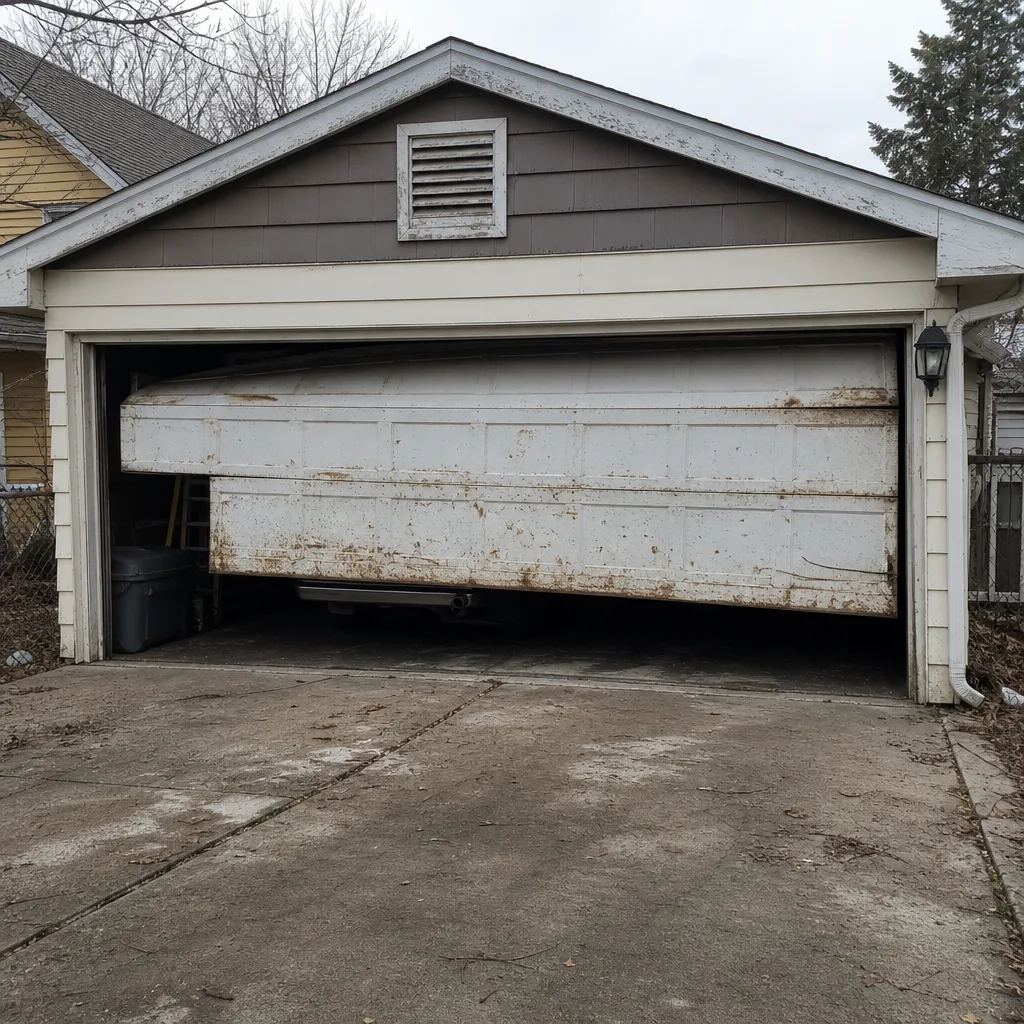
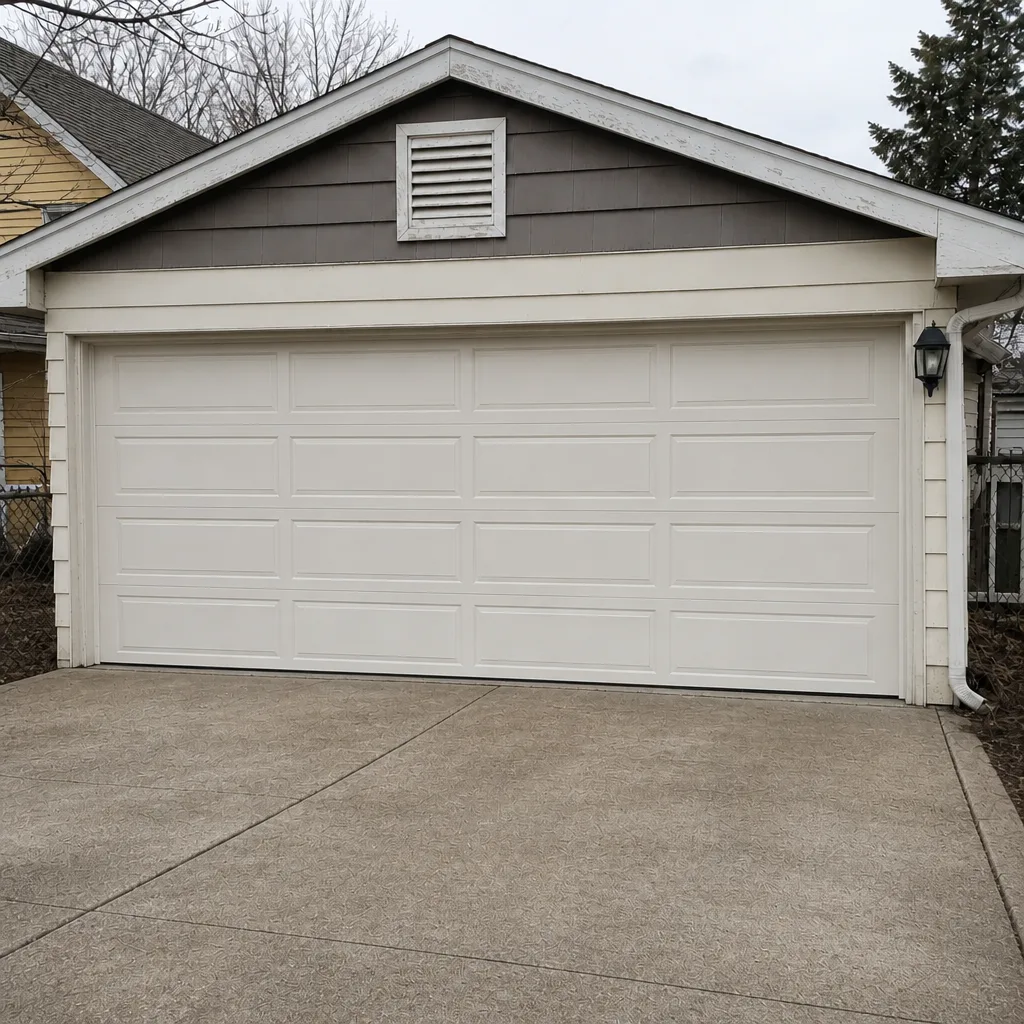
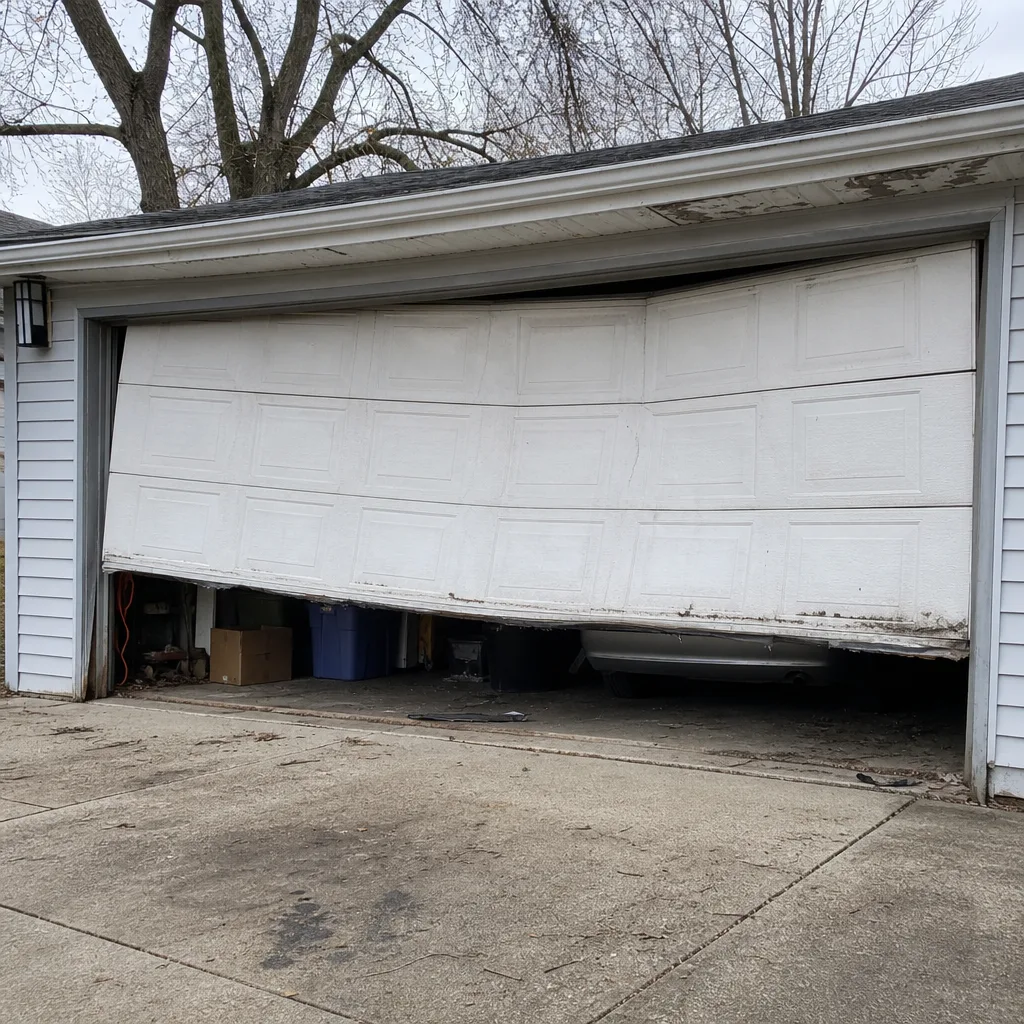
See the difference
 Before
 After
 Before
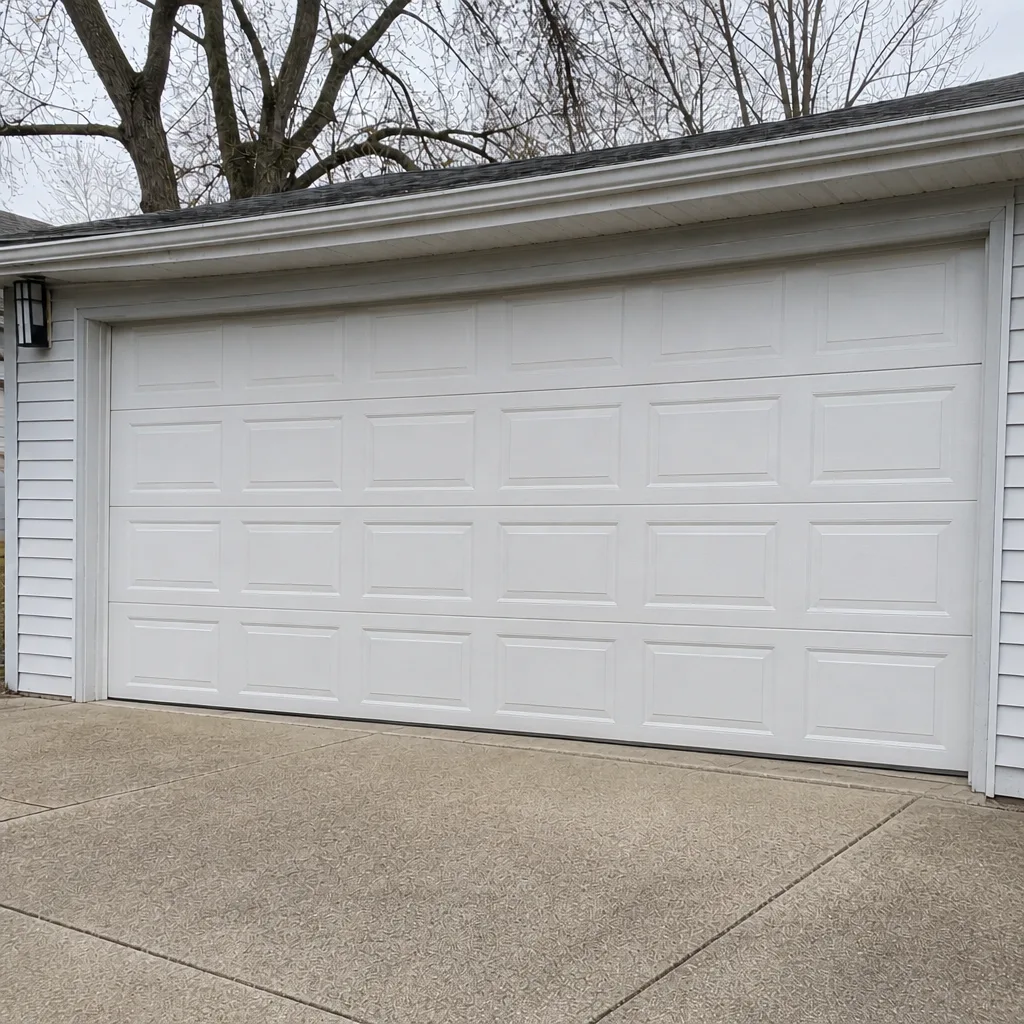 After
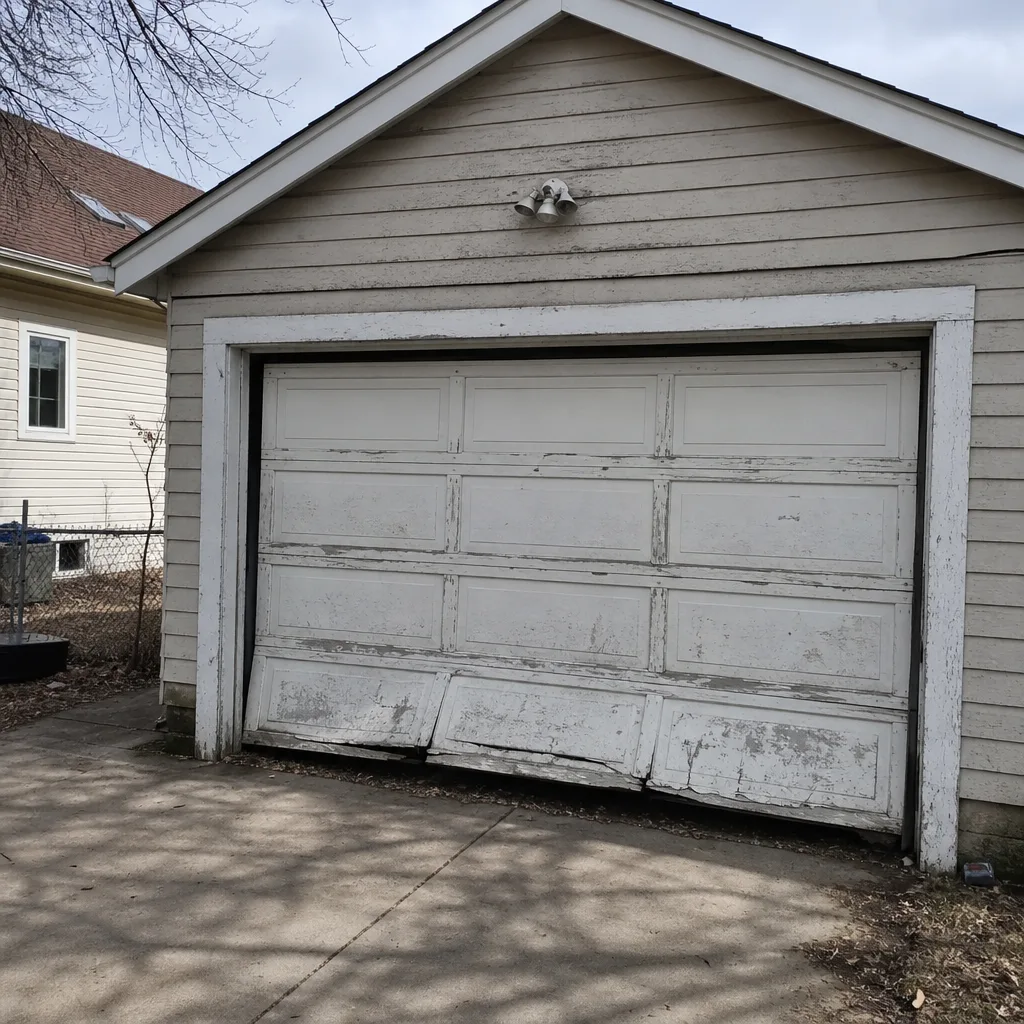 Before
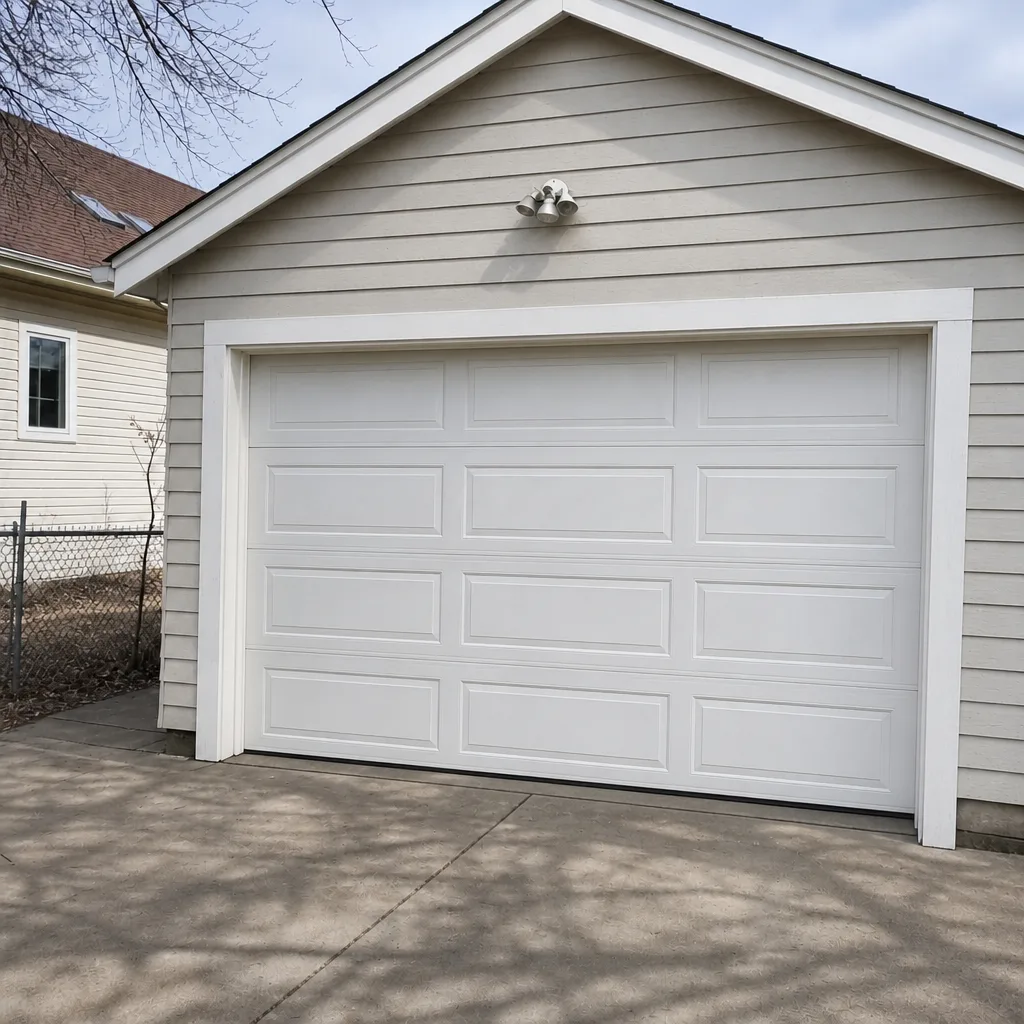 After
When to Call a Professional
Some parts of this schedule are yours to do, and some are not. Call a professional when you see a broken spring, a frayed cable, a door that won’t stay open on its own, a door that won’t close fully, a hinge or bracket that has pulled loose from the door, an opener that runs but doesn’t move the door, or any visible damage to the tracks. Also call if the door has become noticeably heavier or harder to lift than it used to be, or if the safety reverse fails the test and won’t adjust. These are the signs that the maintenance schedule is no longer enough. Parkway Garage Door Repair offers free estimates in Minneapolis and can inspect the door and the opener in the same visit, so you’re not calling two companies. Call (855) 213-4171. We answer 24/7. Fast dispatch from 7am to 7pm, Sunday through Friday.
Frequently Asked Questions
Once a year, in October, before the first hard freeze. Minneapolis winters are hard on lubricants, so timing the application to the pre-freeze window is what matters. If your door is noisy in summer, a light touch-up in August is fine, but don’t overdo it. Call (855) 213-4171 for a professional tune-up if you’re not sure.
March and April, during the freeze-thaw cycle. Springs and cables that survived winter often fail in the first warm weeks of spring. Plan a full inspection for early April. If you see a broken spring or a frayed cable, call Minneapolis garage door experts before it becomes an emergency.
The manual disconnect test. Most homeowners never pull the release handle until the power goes out, and that’s when they find out it doesn’t work. Test it every season, and if the door won’t stay put when you let go, the springs need professional attention.
No. Torsion springs are under extreme tension and can cause serious injury if handled wrong. Lubricate them, inspect them visually, and call a trained technician for anything else. This is the one part of the maintenance schedule that should always be professional.
A cold-rated silicone spray is the safest general choice. It stays viscous below zero and doesn’t hold grit. White lithium works for hinges if applied sparingly, but check it after the first cold snap. Avoid WD-40, motor oil, and any product that gets stiff in the cold.
It depends on what the visit covers. A tune-up is priced per job by a written estimate, and the estimate is free. Call (855) 213-4171 to get an exact number. We quote and agree on the price before any work starts.
The Bottom Line
A Minneapolis garage door maintenance schedule is not a quarterly checklist copied from a national site. The timing is what makes it work. October is your pre-freeze prep window, April is the thaw inspection, and July is the opener check. Lubricate with the right cold-rated product, test the manual disconnect every season, and do the 15-minute routine four times a year. That routine catches most problems before they turn into a repair call. For the rest, including springs, cables, and anything under tension, call a professional. A tune-up in October is cheaper and less stressful than a snapped spring in January.
If your door needs a professional look, or if you’d rather have the seasonal schedule handled by someone who does it every day, call Parkway Garage Door Repair at (855) 213-4171. We answer 24/7. Fast dispatch from 7am to 7pm, Sunday through Friday. Free estimates in Minneapolis, and the price is agreed before any work starts.
Written by the team at Parkway Garage Door Repair.