
Last updated November 15, 2026
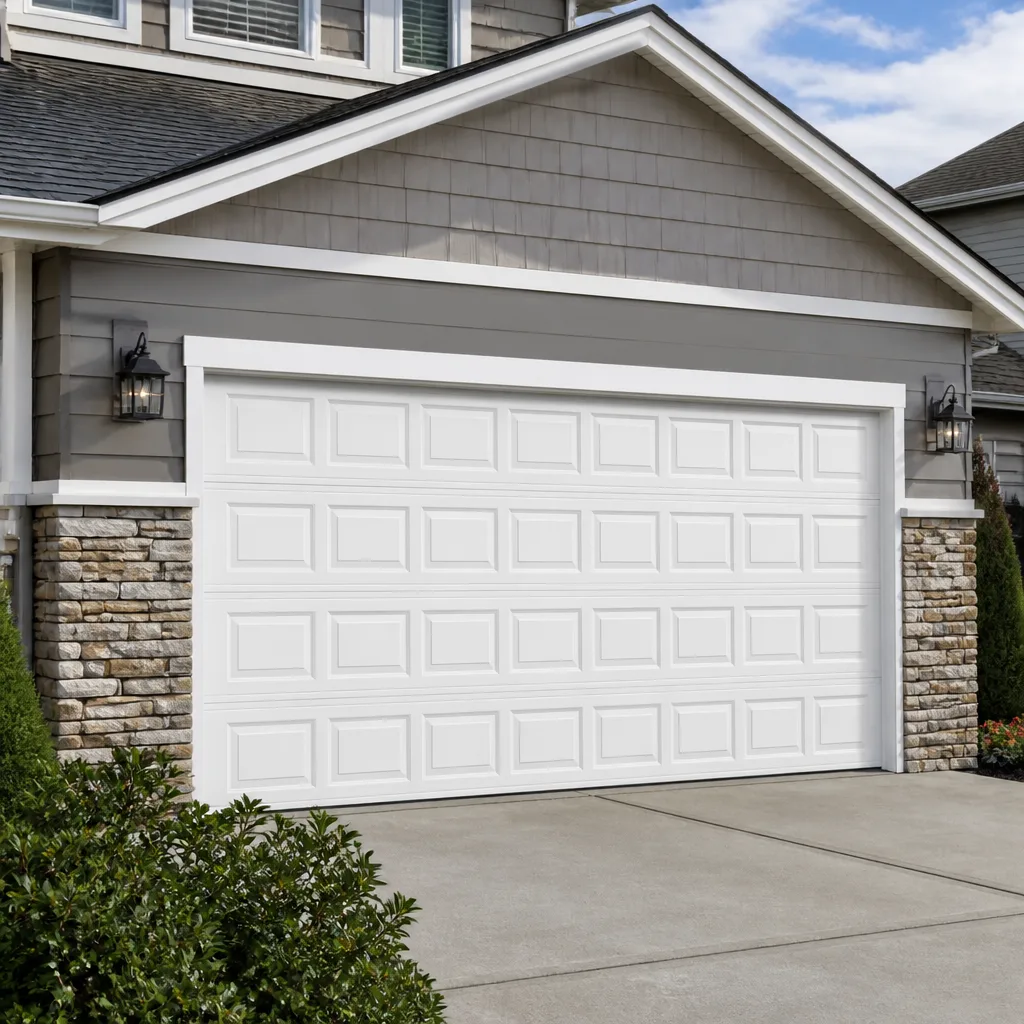 Raised-panel steel
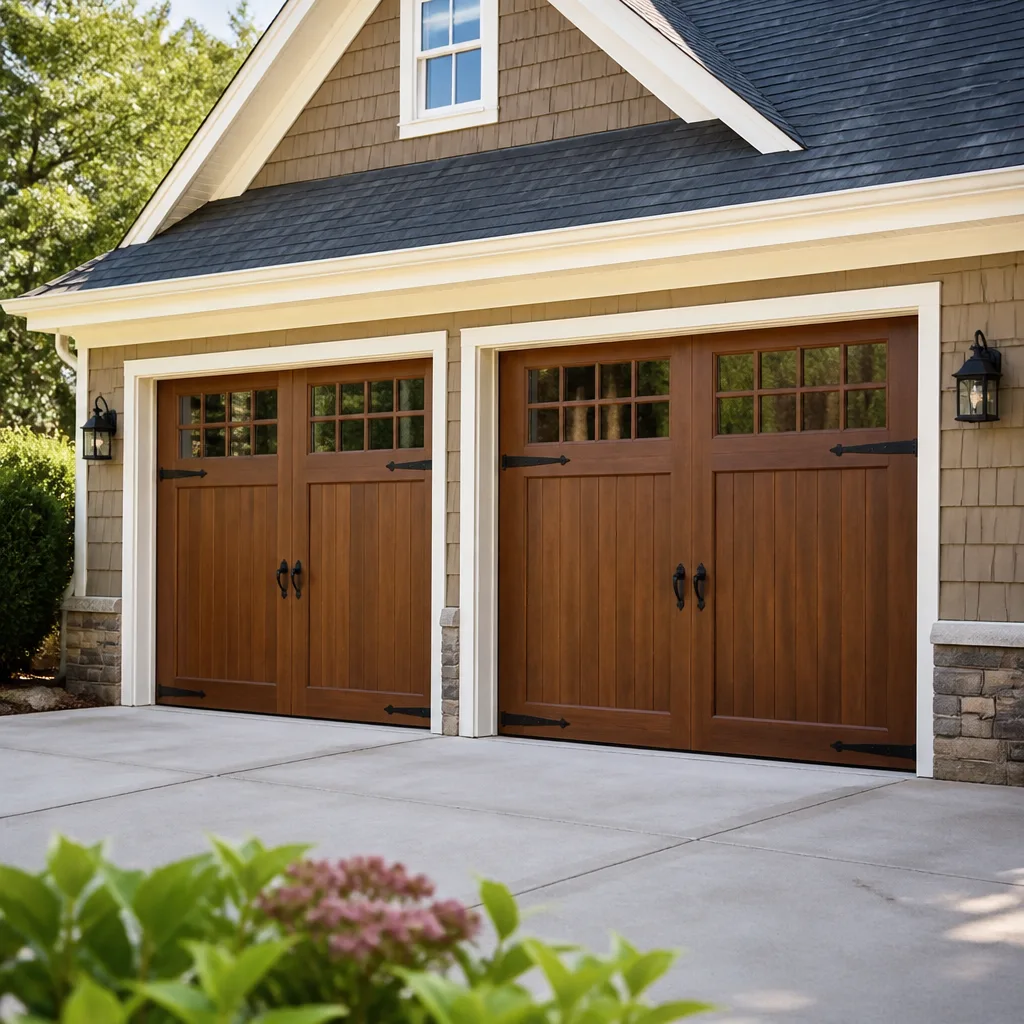 Carriage house
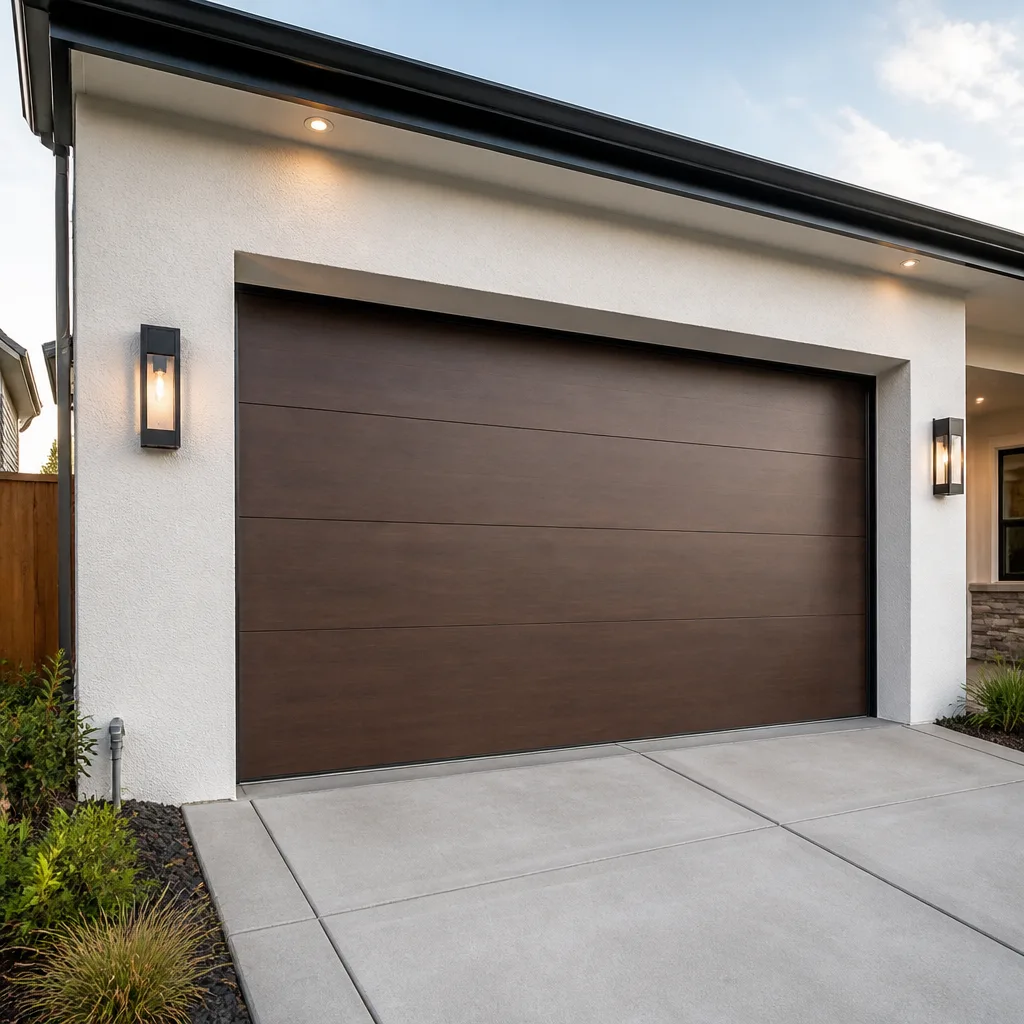 Modern flush
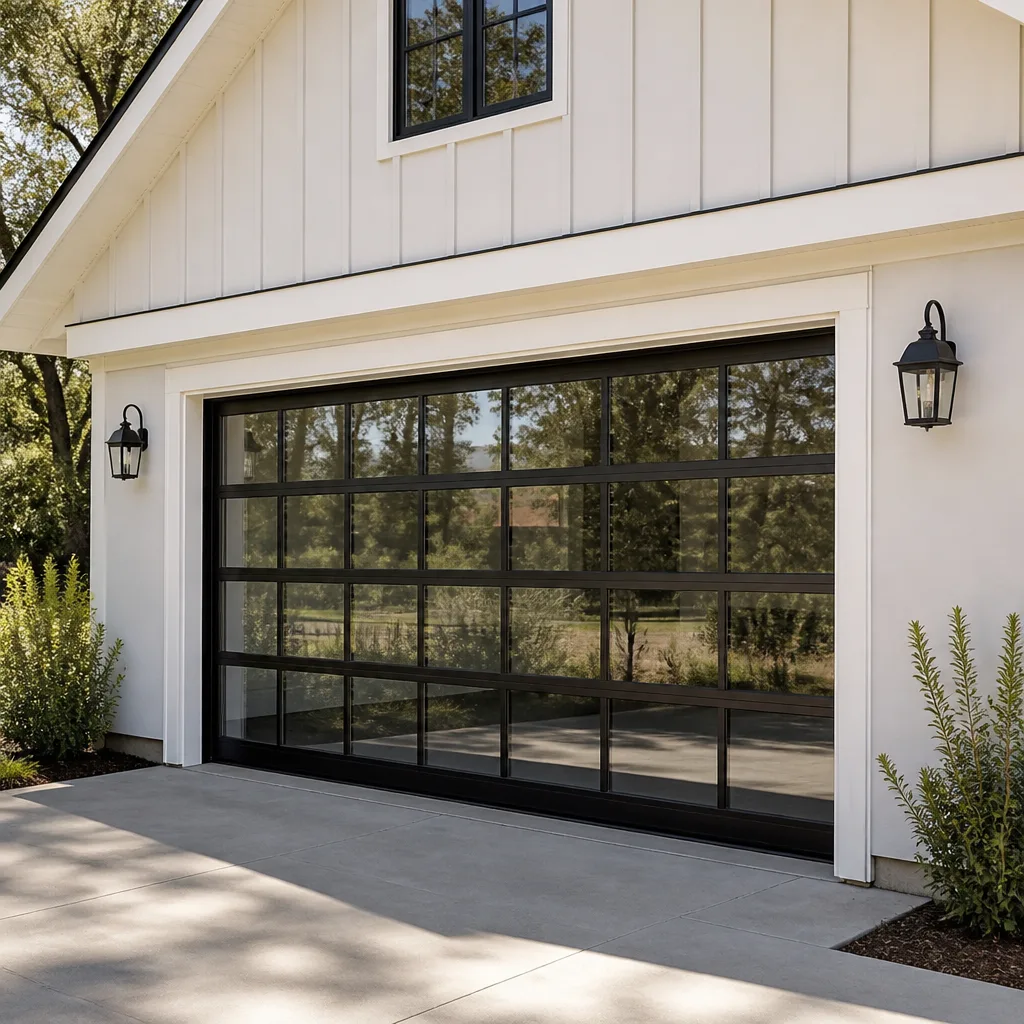 Full-view glass
 LiftMaster openers
 Chamberlain openers
Full 25-point door and opener safety check with every visit - springs, cables, rollers, tracks, and your LiftMaster or Chamberlain opener included
You get a price before we start. It does not change when the pro arrives.
Get your free estimateHow to Hire a Garage Door Contractor in Minneapolis: A Step-by-Step Guide
Here’s the part most hiring guides skip: a surprising number of companies advertising “garage door repair” around Minneapolis are, in practice, brand dealerships. Their technician arrives, looks at your LiftMaster opener, and concludes the honest fix is a full replacement with the product line they distribute. That’s not a repair diagnosis. It’s a sales call wearing a service-truck costume. This guide shows you how to tell the difference before anyone sets foot on your property: what Minnesota actually requires in the way of licensing, the five phone questions that expose whether a company is service-first or sales-first, which red flags show up specifically in the Minneapolis market, how to do the repair-versus-replace math yourself, and what a warranty worth having looks like in writing. Read it once and you’ll interview contractors better than most of them expect.
Quick Answer
To hire a garage door contractor in Minneapolis, verify the company is licensed and insured, ask what brands they service before you book, confirm in writing whether the price is a firm quote or an estimate, get the repair-versus-replacement logic explained in plain terms, and insist the warranty terms appear on paper. A genuinely service-first company will discuss the door and opener you already own without steering you toward a product it happens to distribute. When you’re ready to talk, call (855) 213-4171.
Styles & brands we work with
- Raised-panel steel
- Carriage house
- Modern flush
- Full-view glass
- LiftMaster openers
- Chamberlain openers
Table of Contents
- What Minnesota Requires: Licensing and Insurance, Explained
- The Five Diagnostic Questions to Ask on the Phone
- Minneapolis Red Flags: Fees, Premiums, and Sales Reps
- Repair or Replace? How to Do the Math Yourself
- What a Legitimate Warranty Actually Covers
- Why Minneapolis Homes Wear Doors Differently
- What a Good Service Visit Looks Like, Step by Step
What Minnesota Requires: Licensing and Insurance, Explained
Minnesota does not issue a single statewide “garage door contractor” license the way it does for electricians or plumbers. That surprises people, and it’s exactly why you have to do more asking than you would for a trade with a clean license lookup. What Minnesota does govern is construction work performed for hire under the state’s contractor registration framework, and garage door installation is construction work. So the first question isn’t “are you licensed?” in the abstract. It’s “are you registered with the state, and can you show me the number?” A legitimate company answers that without flinching.
Where licensing gets genuinely non-negotiable is wherever the work touches two specific systems:
- Electrical work around the opener. Installing a new circuit, adding an outlet in the ceiling, or rewiring anything in the panel is licensed electrician territory. Swapping a plug-in opener on an existing outlet usually isn’t. Ask which situation you have.
- Alterations to the structure of the opening. If a quote involves changing the framing, header, or opening size to fit a different door, that crosses into structural and permit territory. Most cities in the metro require a permit for structural changes, so ask the city’s building department directly rather than relying on the contractor’s word.
Insurance matters just as much as registration. A door or opener is a heavy, spring-loaded assembly and work around it can go wrong. Ask for a certificate of insurance showing general liability coverage, and ask whether workers are covered for injuries on the job. A company that can’t produce a certificate on request is a company that won’t be there if something gets damaged or someone gets hurt. You’re not being difficult by asking. You’re doing what any careful homeowner in Minneapolis should.
One more point on springs, because this is where safety matters most. Torsion springs and the cables under tension are the genuinely dangerous part of any garage door. They can fail violently and cause serious injury. This is not a component to adjust yourself, no matter how many videos you’ve watched, and it’s not a component to hand to whoever is cheapest. Ask any contractor how they handle spring and cable work, and listen for calm, specific answers. If they wave off the risk, that tells you something.
The Five Diagnostic Questions to Ask on the Phone
You can learn more in a five-minute phone call than in an hour of reading reviews. The goal is to find out whether the company’s first instinct is to fix what you own or to sell you something new. Ask these five questions before you book a visit.
- “What brand of opener do you work on most?” A service-first company reels off several: LiftMaster, Chamberlain, Genie, Craftsman. A dealer answers with the one brand it’s paid to move. If the answer is a single name, ask whether they’ll service a different brand.
- “Can you diagnose over the phone what’s likely wrong?” You’re not looking for a firm diagnosis, which nobody can give without seeing the door. You’re listening for a technician who understands the difference between a stripped gear, a failed logic board, and a misaligned safety sensor. That fluency is the whole job.
- “Do you carry parts for the brands you service, or do you order them?” A company fluent across multiple brands sources the correct part the first time. A company that only knows one system will tell you the part isn’t available, which is code for “we don’t stock your brand.”
- “Is the price you quote on the phone the price I pay, or an estimate?” The honest answer is that the written estimate sets the final price, given in person, before any work begins. If someone quotes a firm number over the phone without seeing the door, be cautious.
- “Will you put the warranty in writing, on the invoice?” Manufacturer warranties pass through; labor warranties come from the company. Both should appear on paper, stated clearly. If the answer is vague, that’s information.
In our experience, a company that’s fluent across brands has a different relationship with the customer than a single-line dealer. It doesn’t need you to buy a particular product, because it makes its living on getting your existing system working. That’s the distinction to listen for on the call. When you find it, you’ve found the right kind of crew. To book with a team that answers all five of these the way you want, call (855) 213-4171.
Minneapolis Red Flags: Fees, Premiums, and Sales Reps
Every market has its own patterns of bad behavior, and Minneapolis is no exception. The tricks here come from the climate and the seasonal urgency it creates. When your door won’t close during a cold snap, you’re primed to accept whatever you’re told. That’s the moment to slow down and read carefully.
- Dispatch fees that appear on the invoice, not the quote. A company should be upfront about whether any fee applies and include it in the written estimate before work begins. If a “dispatch” or “service-call” charge shows up on your bill that was never discussed, that’s a problem. Ask before you book.
- “Emergency” premiums on a next-day, non-emergency call. If your door is stuck open and you call on a Tuesday, that’s not an emergency surcharge situation. If a company tacks on a premium for what turned out to be a routine visit scheduled the next day, question it. Pricing should be per job by the written estimate, whatever the timing.
- Repair diagnosed as replacement, always for the same brand. This is the pattern to watch: the technician arrives, looks at a perfectly repairable door or opener, and recommends a full replacement with the product line the company distributes. Sometimes replacement genuinely makes sense. But a company that reaches for it on every call is selling, not diagnosing.
- Vague warranty language. “We stand behind our work” is not a warranty. A warranty has terms, a duration, and who honors it. If a company can’t put specifics on paper, treat the promise as marketing.
- No paper before work starts. The written estimate should be in your hands before any wrench is turned. If the first document you see is the bill, walk away from that conversation.
None of this means every Minneapolis company is out to mislead you. It means the seasonal pressure and the prevalence of dealer-affiliated operators create a market where you have to ask. When a company is comfortable that you will ask, it tends to be one worth trusting. A good test: ask a diagnostic question and see if the person on the line sounds more like a technician or a sales rep. You’ll know within thirty seconds.
Repair or Replace? How to Do the Math Yourself
This is the decision that gets homeowners in trouble, and it’s the one you can actually do on your own with a little care. The trap comes when a contractor presents repair and replacement side by side and leans on the replacement. Both are legitimate options sometimes, but the numbers should tell the story, not pressure. Here’s the framework.
First, figure out what’s actually broken. A door has two halves: the door itself (panels, tracks, springs, cables, hinges, rollers) and the opener (motor, logic board, gears, safety sensors, remote). Most of the time, only one half has failed. A dead opener on a perfectly good door is an opener problem, not a door replacement. A bent panel or a snapped spring is a door problem, regardless of how new the opener is. The first step is to be clear about which system needs attention.
Second, ask: is the failed part a wear item or a failure of the core assembly? Springs, cables, rollers, and hinges wear out and are designed to be replaced. Panels that have been dented or rusted through are a different matter. A failed logic board on an opener that’s still mechanically sound is a repair. A motor that’s seized and a door that’s out of balance together might be reaching the replacement threshold.
Third, do the rough comparison. Replacement means a new door, new springs, possibly a new opener, and the labor to install the whole package. Repair means the failed components and the labor to swap them. The right question isn’t “how much will each cost” in the abstract. It’s “how much longer is the repaired system likely to last, and is that worth the replacement price?” If the answer is years, repair is usually the right call. If the door is already tired and the repair is a patch on a system that will need a full replacement soon, the replacement math starts to make sense.
Fourth, ask the contractor to show you the reasoning. A good technician will explain what’s worn, what’s still got life in it, and how the two price options actually compare. They’ll tell you plainly if the repair is the right call. A sales-first company will skip that step and go straight to the replacement quote. Watch which one you get. And whichever direction you choose, the price is set by the written estimate, agreed before work begins.
What a Legitimate Warranty Actually Covers
A warranty is supposed to be a promise in writing, not a reassurance over the phone. Here’s how to evaluate one when you’re hiring a garage door contractor in Minneapolis, because the language sellers use around warranties is often looser than the coverage actually is.
There are two warranties in play on most garage door work: the manufacturer’s warranty on parts and the company’s warranty on labor. The manufacturer’s warranty passes through to you, but the terms vary wildly by brand and product line. A warranty “pass-through” means the manufacturer stands behind the part, but you may have to deal with the manufacturer directly, on their timeline, with their paperwork. Ask what you’re actually getting, and who you call when the part fails.
The labor warranty is the one to scrutinize hardest, because it’s the one the company controls. Ask these:
- What’s covered? Just the labor to reinstall a part, or the part and the labor together?
- How long does it last, and from when?
- Who honors it? The company you paid, or someone else?
- What voids it? If a part fails again, is it covered, or is it “wear and tear”?
- Is it in writing on the invoice, or only in the brochure?
The strongest warranty is specific, in writing, and comes from the company that did the work. If the terms are vague, the coverage is weak. A company confident in its work will put the terms on paper without being pushed. And once the work is done, keep the invoice with the warranty terms on it. That document is what you point to if something goes wrong.
Why Minneapolis Homes Wear Doors Differently
Garage doors live outdoors, which means Minneapolis weather is a factor in how long they last and what kind of work they need. You don’t need to become a meteorologist, but knowing the patterns helps you ask better questions and understand what a technician tells you.
The big one is temperature swing. Minnesota goes from deep cold to warm humid summers, and that cycle works on every material in the door. Metal expands and contracts, wood moves, seals stiffen and crack. Springs are under constant tension, and extreme cold does them no favors. A door that was quiet in October can develop a bang or a shudder by January. If a company tells you the same thing happens in every market, they haven’t worked here.
Snow, ice, and road salt are the other half. They get tracked into the garage, they coat the bottom seal and the tracks, and they accelerate corrosion. The bottom weather seal is the first thing to go, and a failed seal lets cold air and moisture into the garage, which then warps panels and strains the mechanics. If a technician inspects your door and never mentions the bottom seal or the track condition, ask about them. Those are the parts that suffer most in a Minneapolis winter.
The practical takeaway: seasonal maintenance matters more here than in milder climates. An annual inspection before the cold sets in catches worn springs, cracked seals, and loose hardware before they become failures in January when you least want one. If you’ve noticed your door running rougher through the winter, that’s a sign to get it checked, not to wait for spring. When you’re ready, you can reach a team that knows the local wear patterns at (855) 213-4171.
What a Good Service Visit Looks Like, Step by Step
Knowing the shape of a proper service visit helps you tell the difference between a company that’s diagnosing your system and one that’s going through the motions on the way to a sales pitch. Here’s the sequence a service-first technician follows.
- Listen first. You describe what the door or opener is doing. A good technician asks follow-up questions: when did it start, is it intermittent, does it happen more in cold weather, does the opener beep or blink an error code. That detail narrows the fault before anyone touches a wrench.
- Cycle the door and watch it. The technician runs it up and down, listening for the bang of a worn spring, watching the travel, checking the balance and looking at the tracks. A door that drifts down when you disengage the opener is out of balance, which points to spring tension.
- Inspect the whole system, not just the obvious fault. The opener, the tracks, the rollers, the hinges, the bottom seal, the safety sensors. A good technician notes worn parts you’ll face later, without pushing a repair you don’t need today.
- Explain in plain terms. You hear what’s wrong, why, and what the options are, with the cost of each. That’s where you can finally do the repair-versus-replace math with real information.
- Put the estimate in writing. Before any work starts, you have a written price. You agree to it. That’s the number you pay.
- Do the work, then test it. The technician cycles the door, verifies the safety reverse works, and confirms it runs smoothly before leaving.
If a visit starts with the recommendation instead of the diagnosis, you’ve learned what you need to know. The opposite is true too: a technician who takes the time to explain the system clearly and lets you make the call is one you’ll want to keep for the next repair.
Common Mistakes to Avoid
- Hiring on price alone. The cheapest quote in a Minneapolis winter is often the one with the buried fee or the vague warranty. The written estimate and the warranty terms matter more than the number on the phone.
- Accepting a replacement diagnosis without a repair quote. If a company says “you need a new door” and never explains what’s actually broken or offers the repair, ask for the diagnosis in writing. A legitimate technician can point to the failed part.
- Skipping the licensing and insurance check. Minnesota’s registration framework and the presence of an insurance certificate are the two checks that protect you if something goes wrong. Ask for both.
- Ignoring the bottom seal and tracks. The parts most exposed to snow, ice, and salt are the first to fail here, and they’re easy to overlook. Ask the technician to inspect them on every visit.
- Believing “emergency” premiums on routine calls. If the call was scheduled for the next day, it wasn’t an emergency. Pricing should be per job by the written estimate, not inflated for timing.
- Leaving the warranty on the phone. A verbal warranty disappears. The written terms on the invoice are the ones you can hold the company to.
- Not asking which brands the company services. A single-brand dealer and a multi-brand service company behave very differently once they’re in your garage. Ask on the phone, before you book.
See the difference
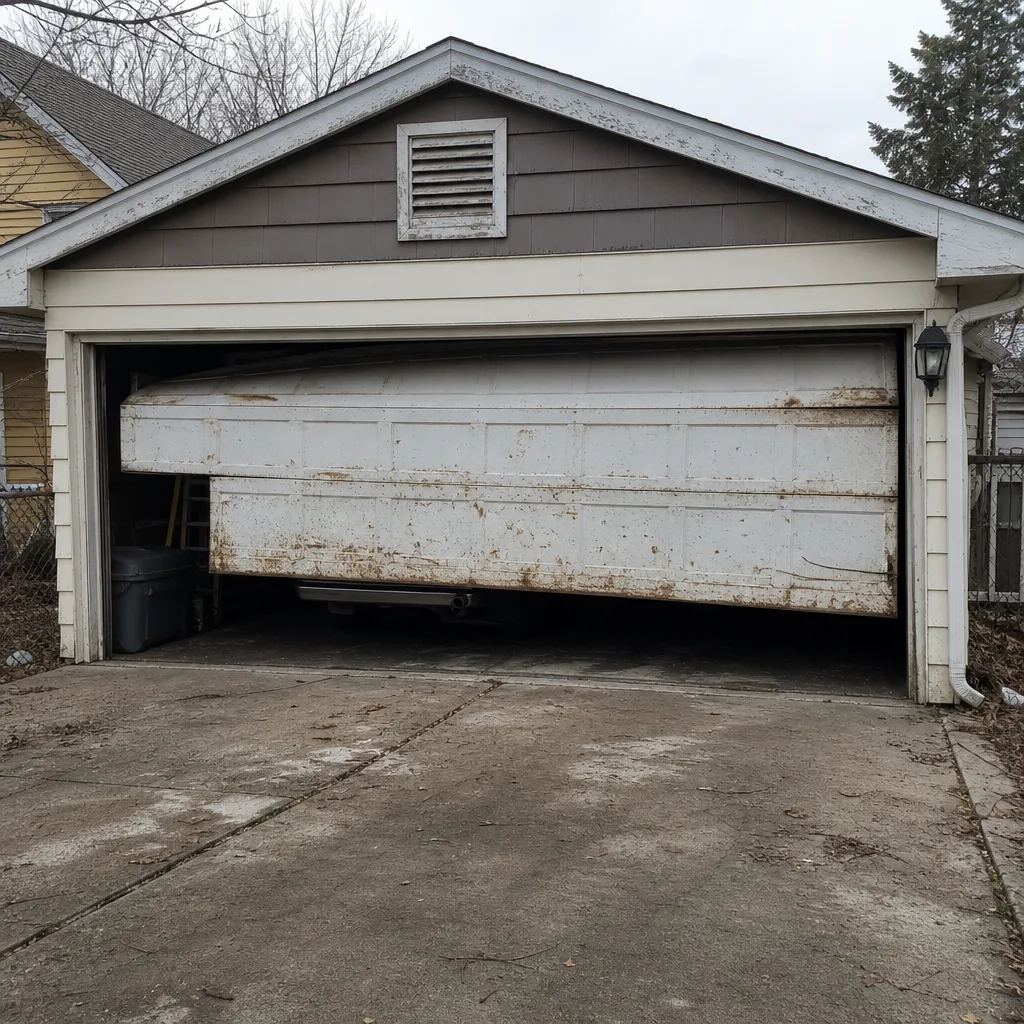 Before
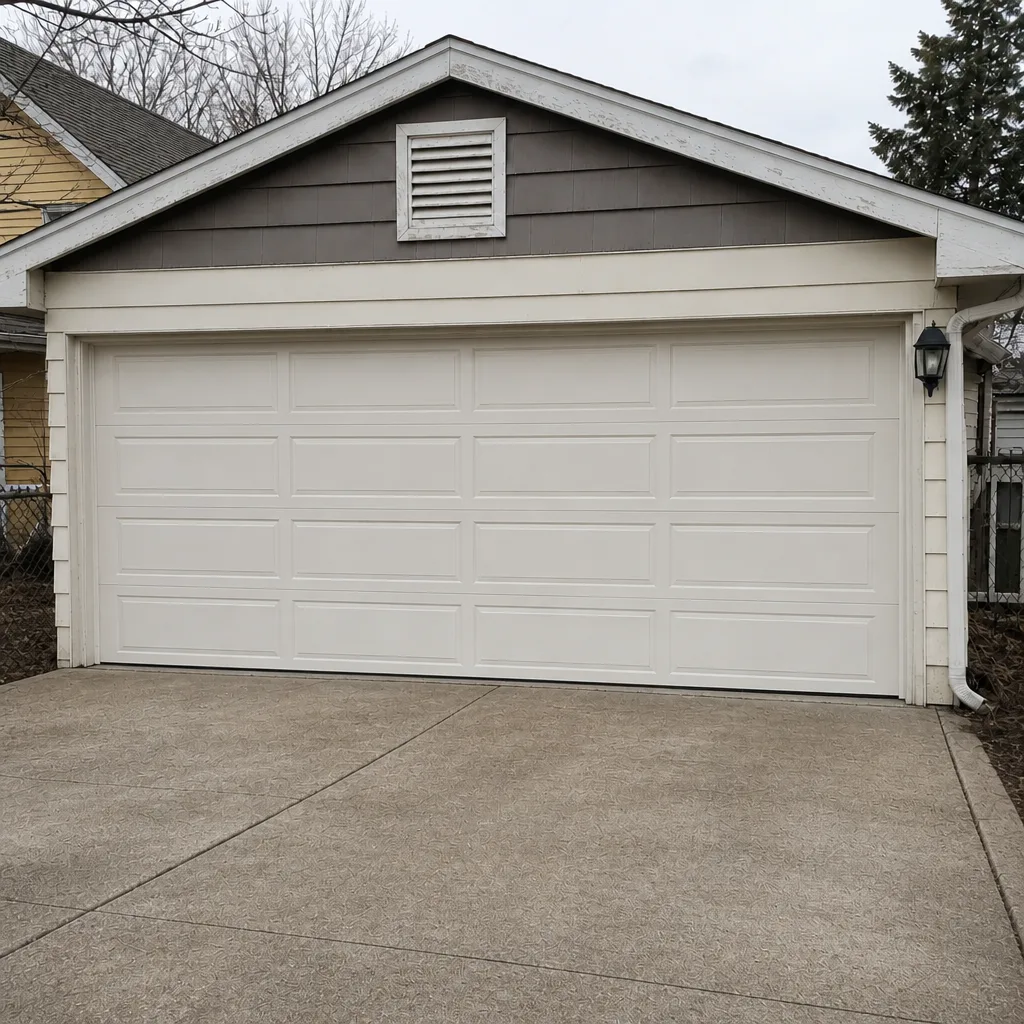 After
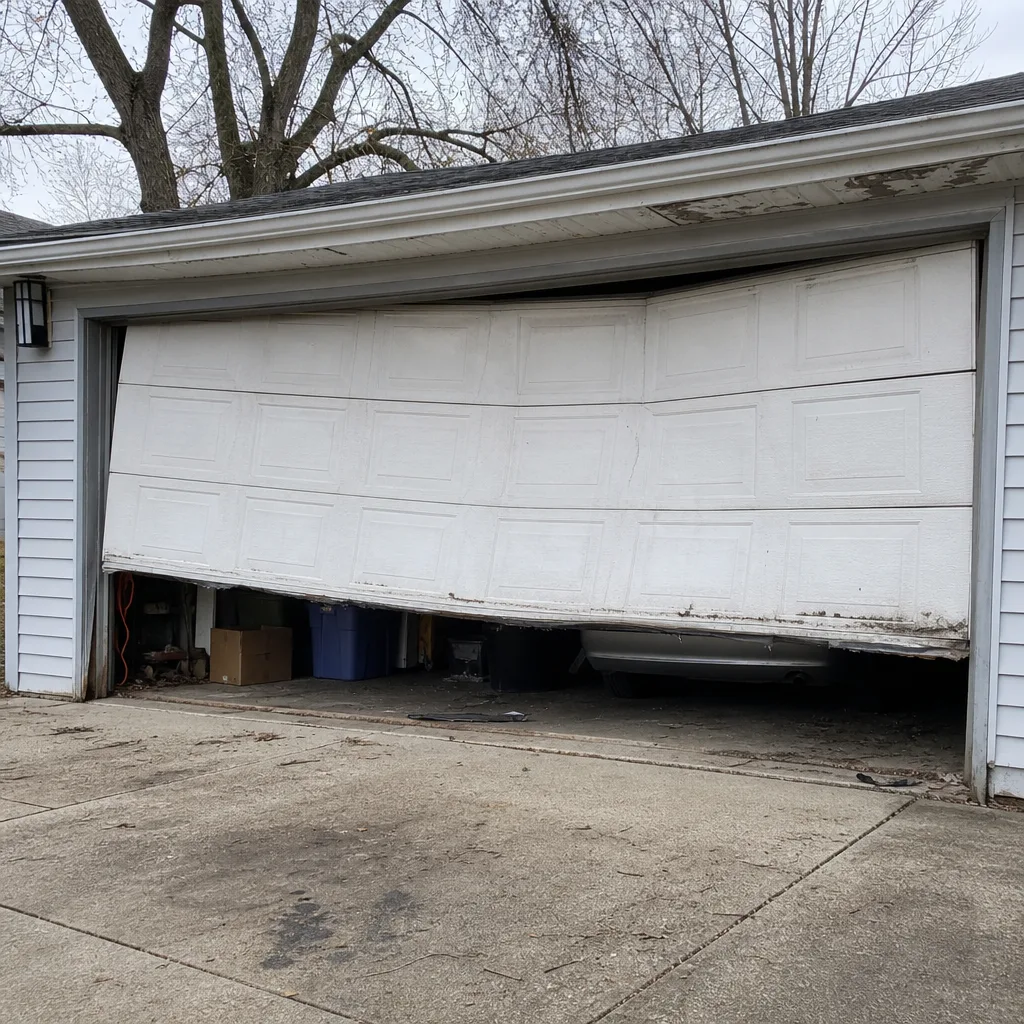 Before
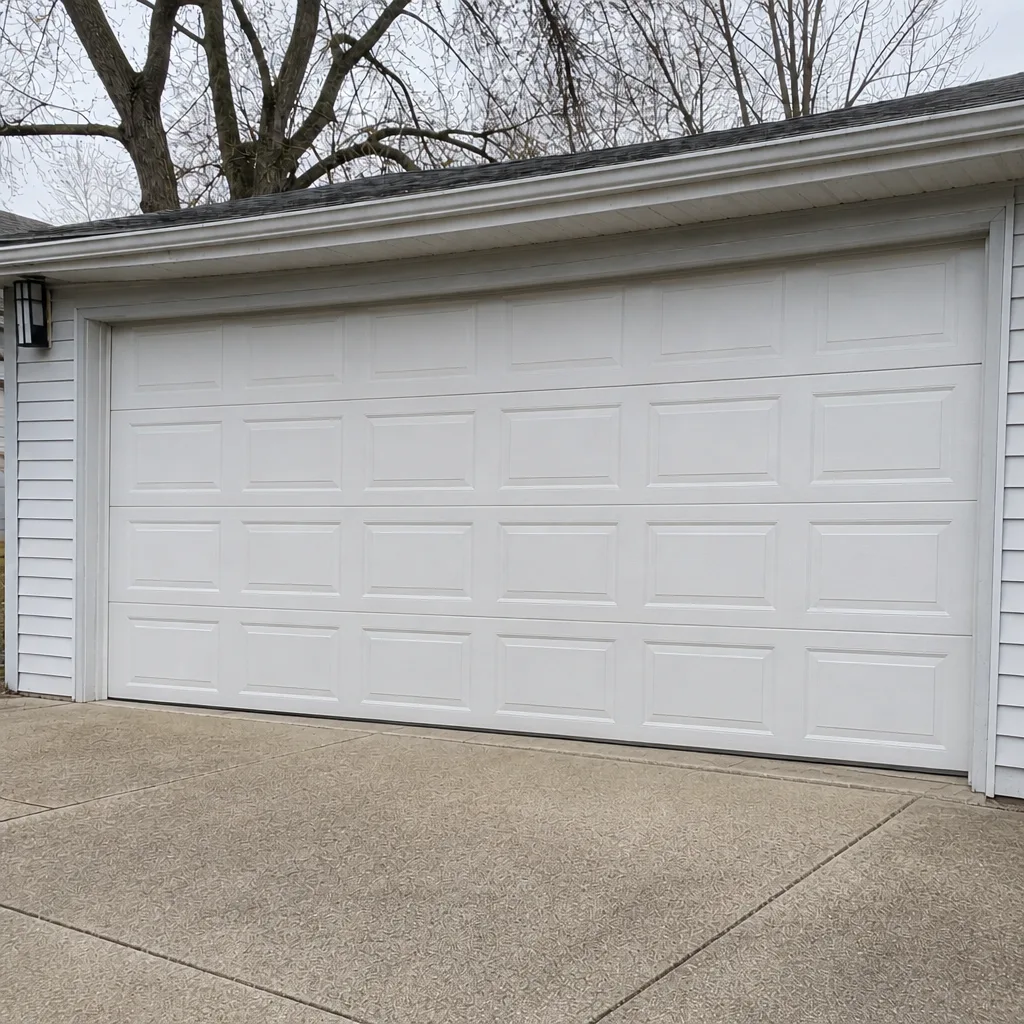 After
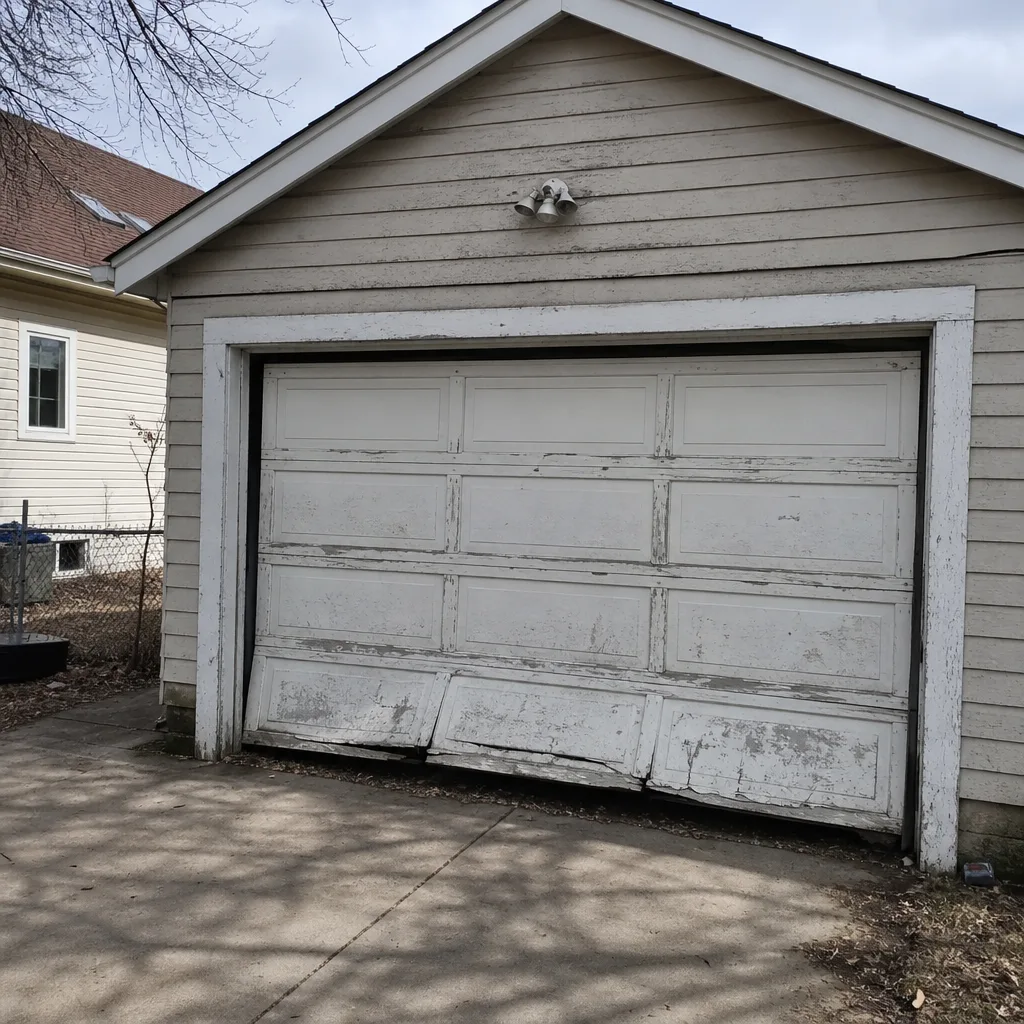 Before
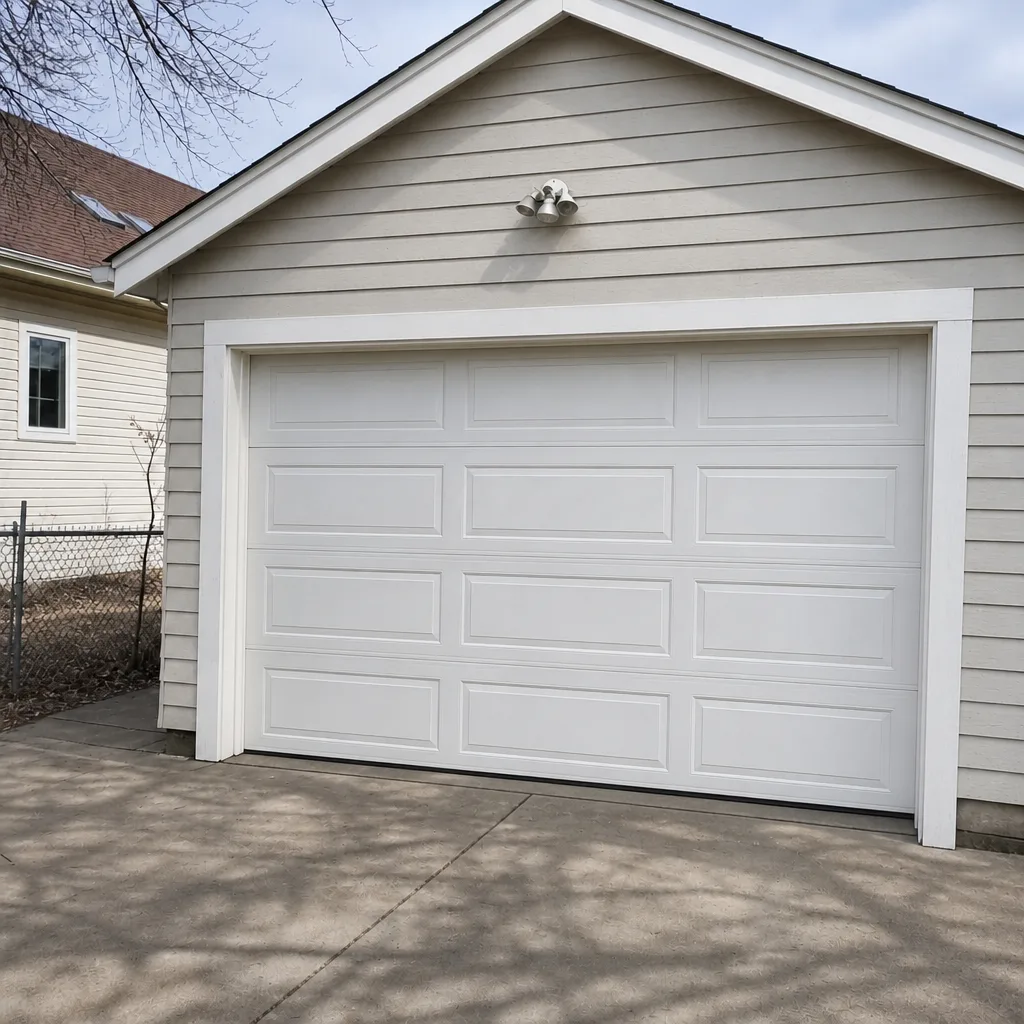 After
When to Call a Professional
Some garage door problems are an inconvenience. Others are genuinely dangerous, and recognizing the difference is the point here. Call a professional immediately if a torsion spring or the cables under tension have snapped or look compromised. Springs store enormous energy and can fail violently; they are not a DIY project. Call if the door is off its tracks or hanging unevenly, if the door falls when you disengage the opener, if a panel or section has come loose, or if a child or pet is ever caught under a door. Those are situations where a trained technician with the right tools and a clear understanding of the risks should be the one working. Electrical issues at the opener or in the panel belong to someone qualified to touch them. And if the door simply won’t close and the house is open to the weather, that’s a call to make now, not in the morning.
Parkway Garage Door Repair offers free estimates in Minneapolis – call (855) 213-4171. We answer 24/7, and we run fast dispatch from 7am to 7pm, Sunday through Friday. Our technicians have up to 8 years of experience, and they work on the brands already on your door and opener rather than pushing a product line.
Frequently Asked Questions
Ask for the state contractor registration number and a certificate of insurance, and check the registration with the state. Minnesota doesn’t issue a separate garage door license, so registration plus insurance is your verification. Any electrical work or structural changes to the opening require a licensed electrician or permitted work, so ask which applies to your job.
Ask what brands they service. A service-first company names several: LiftMaster, Chamberlain, Genie, Craftsman on the opener side, Clopay, Amarr, Wayne Dalton, Raynor on doors. A dealer names one brand and steers every repair toward it. If the diagnosis always ends in “replace with our brand,” you’ve found a dealership, not a repair company.
The written estimate sets the final price, agreed before any work starts. A technician diagnoses in person and puts the price in writing; you approve it. If a company quotes a firm number over the phone and then changes it after arriving, that’s a red flag. Ask for the estimate in writing before work begins. Call (855) 213-4171 for a free estimate – we’ll put the price in writing.
Ask what’s covered, how long, and who honors it. Manufacturer warranties pass through on parts, but the labor warranty comes from the company. Get both in writing on the invoice, and confirm what voids the warranty. A company confident in its work puts the terms on paper. Ask specifically if the warranty covers both the part and the labor to fix it.
A legitimate company carries general liability insurance and can provide a certificate on request, plus workers’ compensation coverage for its employees. Ask for the certificate before booking. Uninsured workers on a spring-loaded door are a risk to you if something gets damaged or someone gets hurt. Insured and bonded is the standard to hold out for.
Repair is usually right when the failure is a wear item – springs, cables, rollers, hinges, or a failed opener component on a mechanically sound door. Replacement makes more sense when the door panels are structurally compromised or the repair is a patch on a system due for replacement soon. Ask the technician to show you the reasoning and price both options. Call (855) 213-4171 for a free estimate.
The Bottom Line
Hiring a garage door contractor in Minneapolis comes down to one distinction: service-first or sales-first. Verify the registration and insurance. Ask the five phone questions before you book. Watch for the local red flags: buried dispatch fees, emergency premiums on next-day calls, and replacement diagnosed for the company’s own brand. Do the repair-versus-replace math yourself, with the technician’s reasoning in front of you. Get the warranty in writing. And never forget that the parts under tension, the springs and cables, are work for a trained technician, not a weekend project. A company that answers all of this without flinching is the one to call.
If you’ve got a door that needs attention, reach Parkway Garage Door Repair at (855) 213-4171 for a free estimate. We answer 24/7, and fast dispatch runs from 7am to 7pm, Sunday through Friday. We work on your brand, diagnose correctly the first time, and repair first, replacing only when it makes sense. We work across the doors and openers already on Minneapolis homes, and we’ll put the price in writing before we start. Call today to schedule your free estimate.
Written by the team at Parkway Garage Door Repair.