
Last updated November 15, 2026
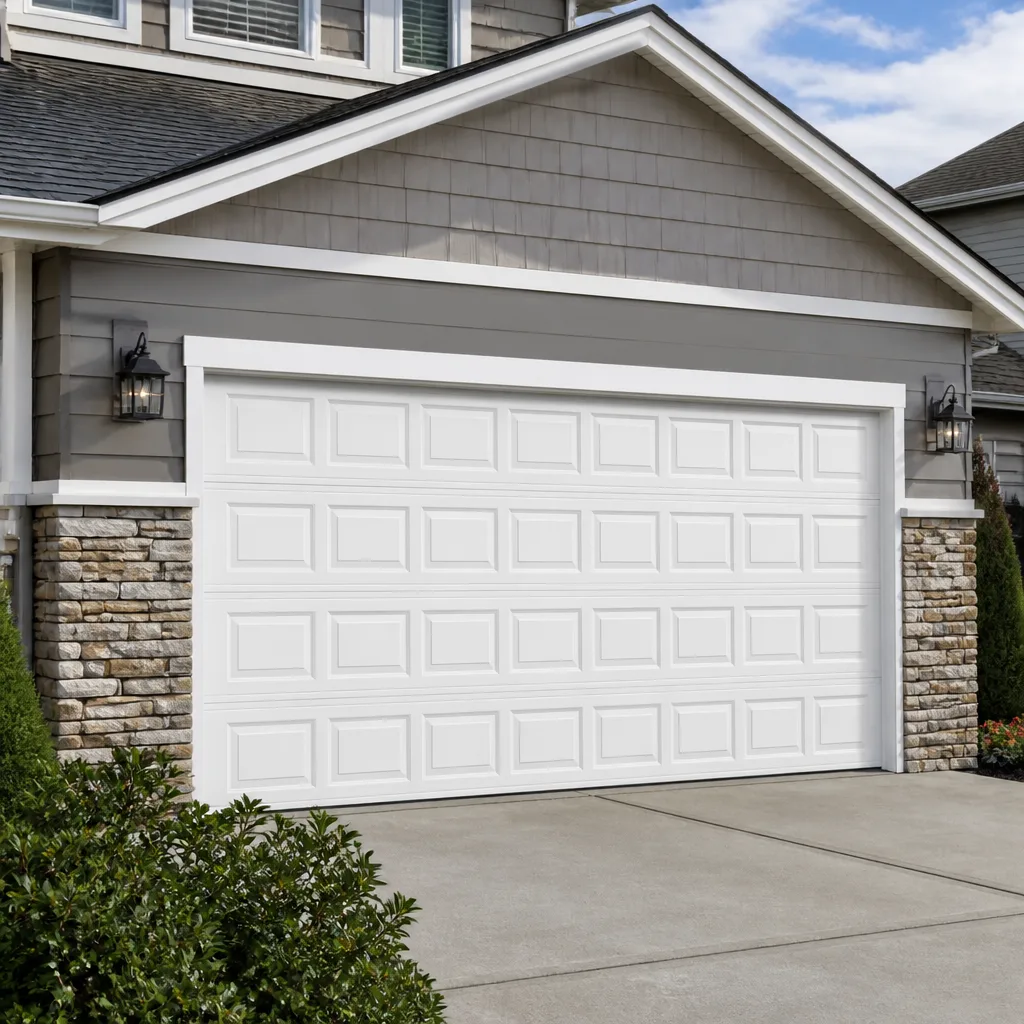 Raised-panel steel
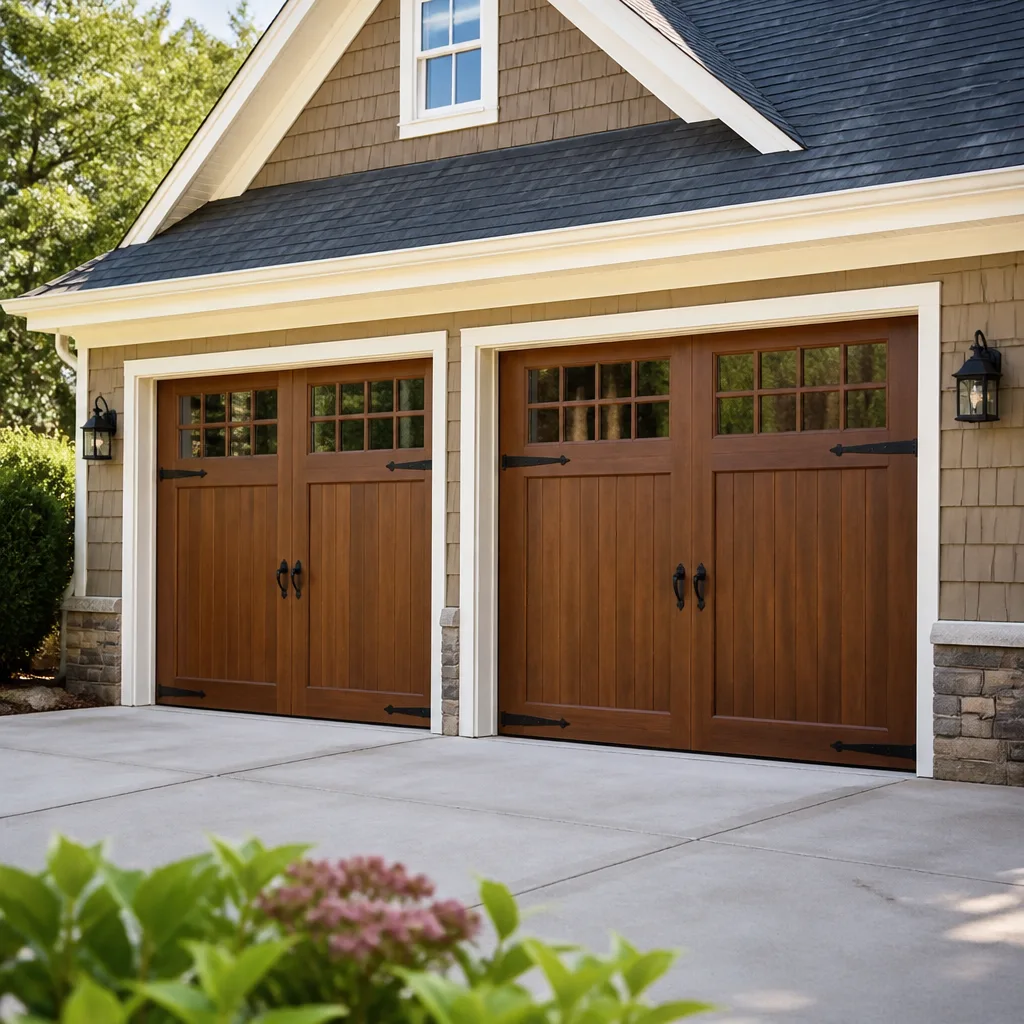 Carriage house
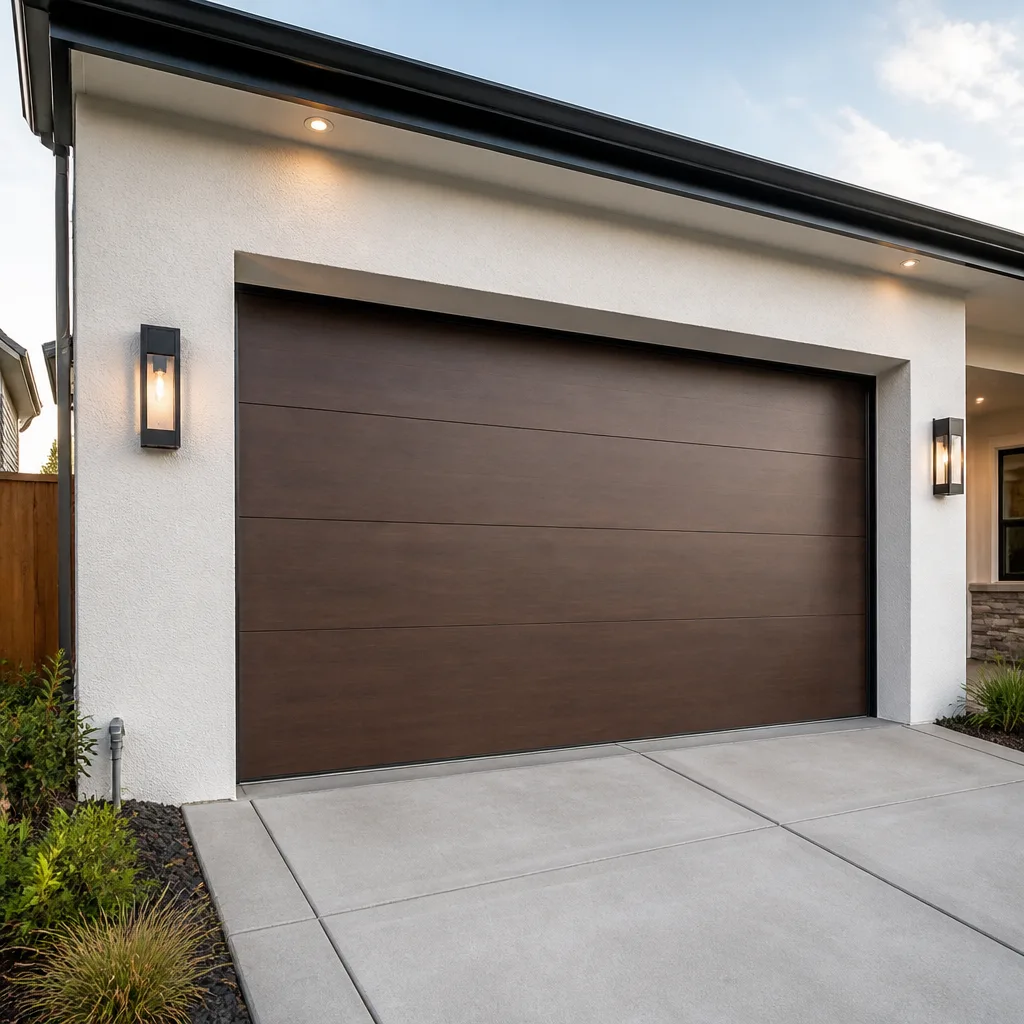 Modern flush
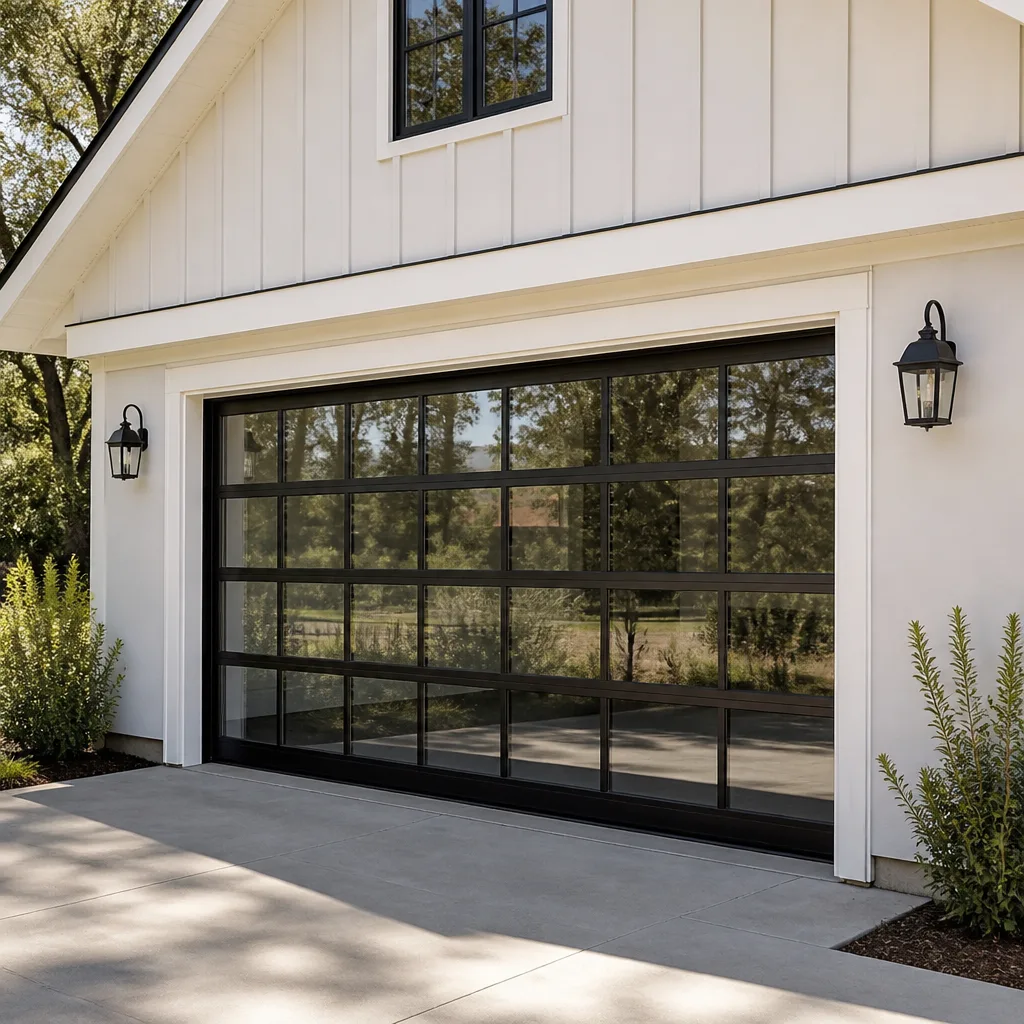 Full-view glass
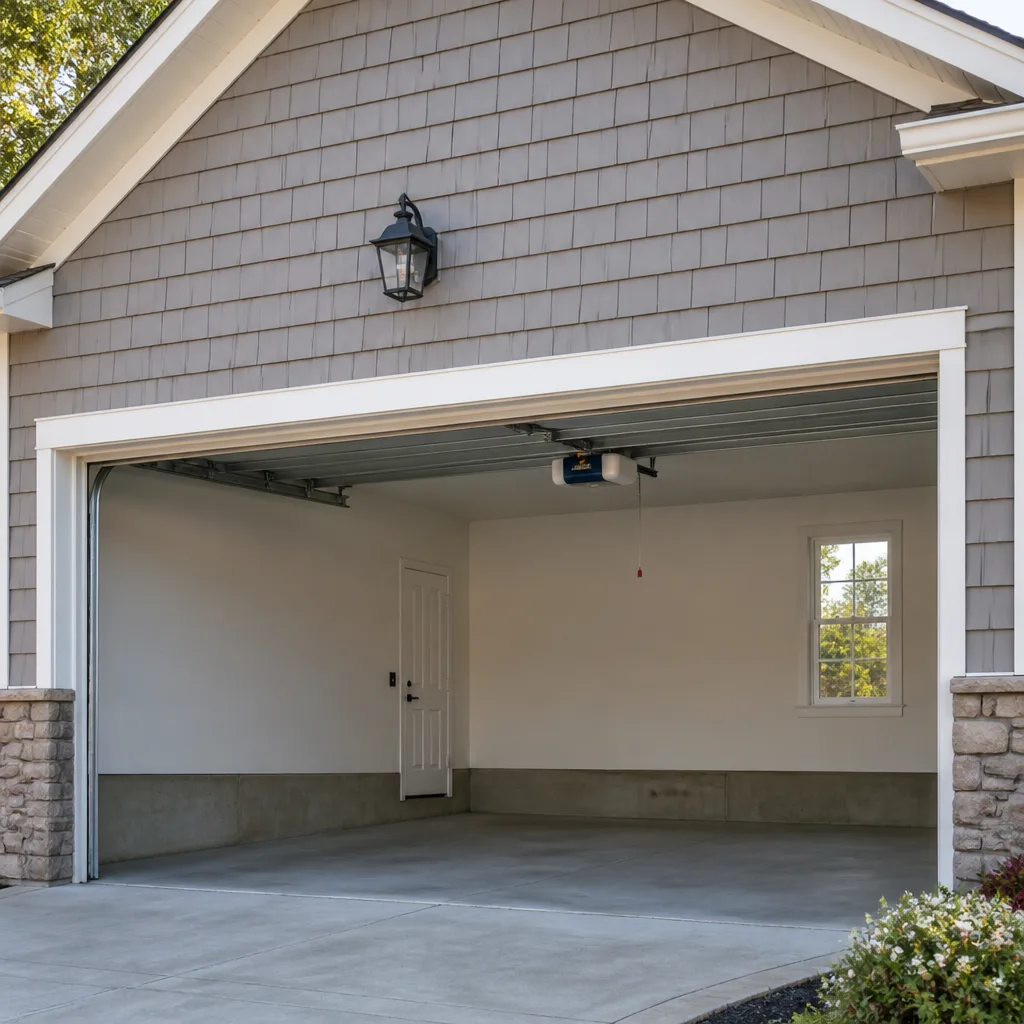 LiftMaster openers
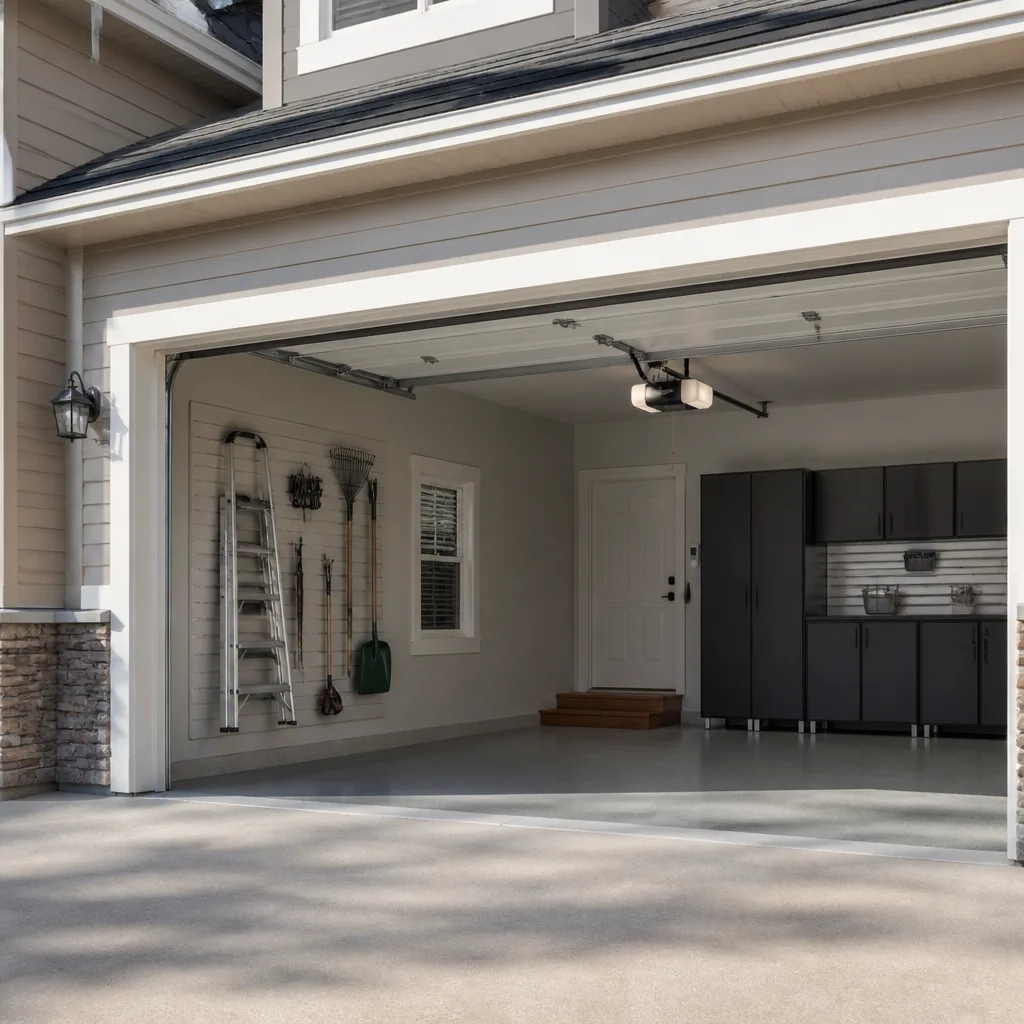 Chamberlain openers
Full 25-point door and opener safety check with every visit - springs, cables, rollers, tracks, and your LiftMaster or Chamberlain opener included
You get a price before we start. It does not change when the pro arrives.
Get your free estimateThe Complete Guide to Garage Doors in Minneapolis
Most complete garage door guides are written for a country that doesn’t exist here. They talk about mild seasons, detached garages, and off-the-shelf sizing as if those were universal. Minneapolis averages more than 50 freeze-thaw cycles a year, and that single fact rewrites half the advice you’ll read elsewhere. Doors that perform fine in Phoenix or Atlanta can fail early here because of how often they cycle through freezing and thawing. This guide maps the choices that actually hold up in Minneapolis: door materials, insulation math for attached garages, the sizing quirks of older housing stock, and how permits differ across the metro.
Quick Answer
The right garage door for a Minneapolis home depends less on style than on three local facts: your garage is probably attached and needs real insulation, your opening may be a non-standard size if the house predates 1980, and your door will face more freeze-thaw stress than in almost any other U.S. city. Choose a door built for that reality, verify the rough opening before you order, and confirm permit rules with your own city. Repair first when the door still has life in it; replace when the panels, springs, and hardware are all nearing the end together.
Styles & brands we work with
- Raised-panel steel
- Carriage house
- Modern flush
- Full-view glass
- LiftMaster openers
- Chamberlain openers
Table of Contents
- Why Freeze-Thaw Cycles Change Everything in Minneapolis
- R-Value and Attached Garages: The Math That Matters Here
- Door Materials That Survive Minnesota Humidity Swings
- Older Minneapolis Housing Stock and Non-Standard Openings
- The Multi-Brand Reality: What to Verify Before You Buy
- Permit Norms Across Minneapolis, Edina, St. Louis Park, and Bloomington
- Repair or Replace? A Decision Framework
- Seasonal Maintenance for a Minneapolis Door
Why Freeze-Thaw Cycles Change Everything in Minneapolis
Minneapolis averages more than 50 freeze-thaw cycles per year, more than nearly any major U.S. city. Every one of those cycles moves moisture into and out of the materials around your garage door. The door itself is only part of the story. The bigger wear happens at the seals, the hinges, the bottom weatherstrip, and the concrete at the threshold.
What that means in practice:
- Bottom seals fail faster here. A rubber astragal that lasts years in a mild climate can stiffen and crack within a couple of Minneapolis winters. A failed seal lets meltwater in, and that water refreezes against the door.
- Steel doors sweat at the panel seams. Warm air from the house meets a cold door panel, and condensation settles in the seams and at the bottom edge. That’s where rust starts, not in the middle of a panel.
- Hinges and rollers get stiff. Cold thickens lubricant. A door that ran quietly in October can sound strained by January.
- The apron and threshold shift. Frost heave moves concrete slightly. A door that closed cleanly last season can start catching at one corner.
None of this means a Minneapolis door needs replacing every few years. It means the wear items around the door deserve more attention than a national guide would suggest. When we look at a door in Minneapolis, we spend as much time on the seals, threshold, and hardware as on the panels. If your door is catching, straining, or letting cold air in, that’s a garage door repair question worth answering before the next hard freeze.
R-Value and Attached Garages: The Math That Matters Here
R-value is a measure of how well a door resists heat transfer. National guides treat it as a simple “higher is better” number. In Minneapolis, the number only matters if your garage is attached to the house. Most Minneapolis homes have attached garages, and that changes the math entirely.
Here’s the distinction:
- Attached garage: A garage wall is a shared wall with living space. Cold air in the garage pulls heat through that wall. A better-insulated door reduces that heat loss, keeps the garage above freezing, and protects anything stored there. R-value matters a lot.
- Detached garage: No shared wall, no heat transfer into the house. A high R-value door still helps keep the space usable, but it won’t lower your heating bill the way it does in an attached setup.
The trap is buying a door with a headline R-value that only applies to the center of the panel. Edges, seams, and the frame around the door lose far more heat than the middle. A well-built door with a moderate rating and tight construction beats a thinner door with a big number printed on it. Ask what the whole-door rating is, not the panel rating.
For a Minneapolis attached garage, look for a door with a continuous layer of insulation and a reinforced bottom section. That bottom section takes the brunt of snowmelt and refreezing. If your garage doubles as a workshop or a place where pipes run along the wall, insulation isn’t a luxury. It’s what keeps those pipes from freezing in a cold snap.
Door Materials That Survive Minnesota Humidity Swings
Minnesota’s humidity swings harder than most people expect. Summers get muggy and winters get bone-dry, and indoor heating pushes the air even drier. Materials that handle steady conditions can struggle with that range. Here’s how the main options hold up in Minneapolis.
Steel
Steel is the most common choice, and for good reason. It’s affordable, durable, and handles temperature swings well when the gauge and finish are right. The failure pattern to watch here is rust at the bottom edge and along panel seams, where condensation collects. A heavier-gauge steel door with a galvanized base and a factory finish resists that far better than a thin panel with a painted surface.
Composite and Vinyl
These won’t rust, which sounds ideal for a wet climate. The catch is that they can get brittle in deep cold. Cheaper composite panels have been known to crack at the corners after a hard Minnesota winter. Better-quality composite holds up, but it costs more than steel, so the value calculation shifts.
Wood
Wood is beautiful and it’s the hardest material to keep in shape here. The humidity swings cause wood to expand and contract, which opens seams and stresses the finish. A wood door in Minneapolis needs regular sealing and refinishing to survive. If you love the look, plan for the maintenance.
Aluminum
Light and rust-proof, but it dents easily and insulates poorly on its own. Best suited to detached garages and mild demands.
Brands like Clopay and Amarr build steel doors with finishes designed for cold climates, and we install both. The point isn’t the logo on the door. The point is matching the material to how your specific Minneapolis garage is built and heated.
Older Minneapolis Housing Stock and Non-Standard Openings
A large share of Minneapolis homes were built before 1980, and that creates a problem national guides skip: non-standard rough opening sizes. A rough opening is the framed hole the door sits inside. Modern doors come in standard widths, and older Minneapolis openings don’t always match.
Common issues in older Minneapolis homes:
- Odd widths. An opening framed for an older door may be a few inches off from modern stock. A standard door won’t fit cleanly, and forcing one creates gaps that leak heat.
- Low headroom. Older garages were framed before low-headroom door hardware was common. A standard door and track can leave too little clearance for the opener and the door’s travel.
- Out-of-square framing. Decades of settling leave openings slightly off-plumb. A door installed into an out-of-square opening binds and wears fast.
- Fragile or aging framing. Old lumber at the opening may not carry the weight of a heavier insulated door without reinforcement.
The fix is straightforward: measure before you order, not after. Here’s the order of steps we recommend for any replacement:
- Measure the rough opening width and height at several points, not just the center.
- Check headroom from the top of the opening to the ceiling, and side room on both sides.
- Confirm the opening is square and the framing is sound enough to carry the new door’s weight.
- Order a door sized to the actual opening, with custom sizing if needed.
- Dry-fit the tracks and confirm clearance before the door goes up.
Doing this in the right order saves a return, a reorder, and a second installation visit. In an older Minneapolis home, a free on-site measure is worth more than any online door calculator.
The Multi-Brand Reality: What to Verify Before You Buy
One of the most common worries we hear is whether a repair company will know the brand already on the home. The short answer is that a good service company works on your brand, not just its favorite one. We’re trained across eight of the most widely installed residential brands in North America: LiftMaster, Chamberlain, Genie, Clopay, Amarr, Wayne Dalton, Craftsman, and Raynor. That matters because the brands installed in Minneapolis homes are all over the map.
The multi-brand reality cuts both ways. Having one brand installed doesn’t lock you into one repair company, and it shouldn’t. What it does mean is that you should verify a few things before you buy or book a repair:
- Ask what brands they service. A company fluent in Genie openers and Wayne Dalton doors will diagnose faster and get the right part the first time.
- Ask whether they handle both the door and the opener. One call covering both saves you coordinating two companies.
- Ask whether they’ll repair or push a replacement. A service-first company tells you what the door needs, not what it wants to sell.
- Ask about parts sourcing. Older or less common components may need ordering, and knowing that upfront sets realistic expectations.
For opener issues, the dominant residential brands in Minneapolis homes are LiftMaster, Chamberlain, Genie, and Craftsman. A technician who knows those systems well can usually trace a problem quickly, whether it’s a logic board, a safety sensor, or a stripped gear. That’s the core of garage door opener repair: diagnosing the actual failure instead of swapping parts until something works. If you’re weighing a new door, Clopay, Amarr, Wayne Dalton, and Raynor all make models suited to this climate, and choosing among them is about fit and finish more than brand loyalty.
Permit Norms Across Minneapolis, Edina, St. Louis Park, and Bloomington
Permit rules for garage door replacement differ more across the metro than most homeowners expect. A like-for-like replacement often needs nothing, while a structural change to the opening can require a permit and an inspection. The safest approach is to call your own city’s building department before work starts. Here’s the general lay of the land, with the caveat that rules change and only your city can confirm what applies to your address.
Minneapolis
In Minneapolis proper, a straight replacement of a door and opener in an existing opening is usually treated as routine maintenance. Changing the size of the opening, altering the framing, or adding a new opening is a different story and typically requires a permit. Older housing stock means more homeowners here run into non-standard openings, which is exactly where the permit question comes up.
Edina
Edina tends to be more formal about exterior changes. Homeowners should expect that a door replacement may need a permit application, and some neighborhoods have design review requirements. Confirm before you order, because a design review can affect which door styles are approved.
St. Louis Park
St. Louis Park generally treats a like-for-like replacement as routine. Structural changes to the opening or the framing are where the permit requirement kicks in. If you’re widening an opening, plan for the review.
Bloomington
Bloomington’s rules are similar to Minneapolis for straight replacements and stricter for structural changes. The variable that matters most is whether the opening itself is being modified.
The practical rule that holds across all four cities: if you’re replacing like for like, ask your city whether a permit is needed. If you’re changing the opening, expect one. A written estimate should make clear what’s included, and permit handling is worth confirming with the company before work begins.
Repair or Replace? A Decision Framework
The honest answer for most Minneapolis homeowners is repair. A door that’s structurally sound and has springs and hardware with life left in them is usually worth fixing. Replacement makes sense when the door has reached the end of several systems at once. Here’s how to work through it:
- Check the panels. Dents can be repaired. Rust that’s eaten through the bottom edge or panel seams usually means replacement.
- Check the springs and cables. These wear items are replaceable. A door with good panels and worn springs is a repair, not a replacement.
- Check the opener. A failing opener on a sound door is an opener repair, not a reason to buy a whole new system.
- Check the seals and threshold. Worn seals are cheap to replace and worth doing before winter.
- Add up the repair scope. If panels, springs, hardware, and opener are all near the end together, replacement often costs less than fixing everything piece by piece.
We apply one rule consistently: repair first, replace only when it makes sense. A Minneapolis door that’s still doing its job shouldn’t be sold a replacement just because it’s old. If your door is straining, noisy, or letting in cold air, the right move is usually a repair that gets you through many more winters.
One safety note. Garage door springs and cables are under high tension and can cause serious injury if handled wrong. Never try to adjust or replace them yourself. Call a trained professional, and keep people clear of the door until it’s checked.
Seasonal Maintenance for a Minneapolis Door
A little maintenance goes further here than in most places because of the freeze-thaw stress. You don’t need to be handy to cover the basics. Here’s what matters most:
- Clear snow and ice from the bottom seal. A buildup at the threshold that refreezes can bend the bottom section. Keep it clear.
- Lubricate hinges, rollers, and tracks. Cold stiffens lubricant, so a fall and a mid-winter pass keep the door running smoothly.
- Inspect the bottom weatherstrip. A cracked or stiff seal should be replaced before winter. It’s the first line of defense against meltwater.
- Test the safety reverse. Put an object in the door’s path and confirm it reverses. This is a safety check, not an adjustment, and worth doing regularly.
- Look for rust at seams and the bottom edge. Catching it early lets you treat it before it spreads.
- Listen for changes in sound. A new scrape or groan is usually a sign something has shifted, and early repair is cheaper than waiting.
If something feels wrong, stop using the door and call a professional. A trained technician can tell you whether it’s a quick fix or something more. Our technicians have up to 8 years of experience working on the brands common in Minneapolis homes.
Common Mistakes to Avoid
- Buying on R-value alone. A big panel rating doesn’t tell you how the whole door performs. Check the whole-door number and the construction, not the sticker.
- Ordering a standard-size door for a pre-1980 opening. Older Minneapolis openings are often non-standard. Measure first, or you’ll be returning a door that won’t fit.
- Ignoring the bottom seal until winter. A failing seal lets meltwater in, and refreezing water damages the door. Replace it before the cold arrives.
- Assuming permit rules are the same everywhere. Minneapolis, Edina, St. Louis Park, and Bloomington differ. Call your city before you order or build.
- Letting one brand’s marketing decide your repair company. Having a specific brand installed doesn’t mean you need a specialist in that brand. Verify what a company services, not what it sells.
- Replacing a door when a repair would do. Worn springs, seals, and openers are fixable. Don’t replace a sound door because one part failed.
- DIY-ing the springs. High-tension springs and cables can injure badly. Leave them to a trained professional.
See the difference
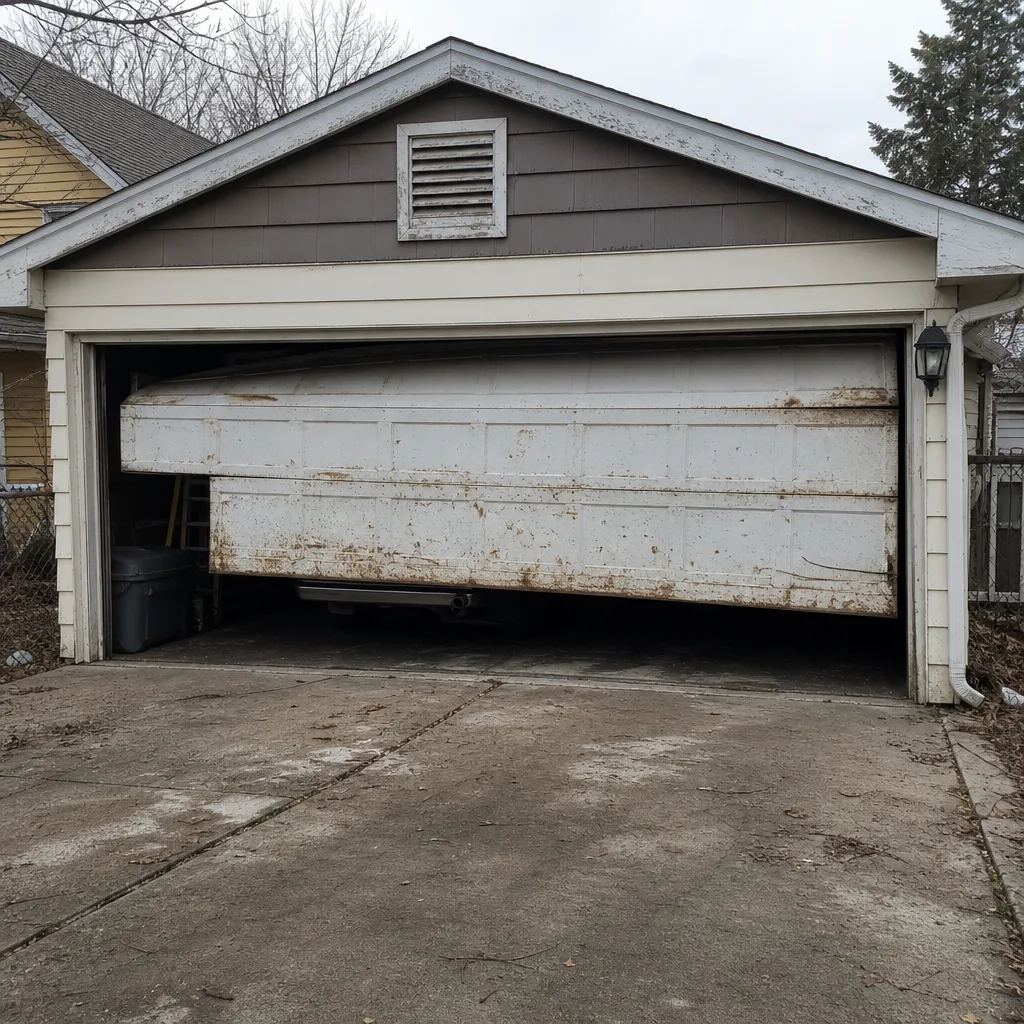 Before
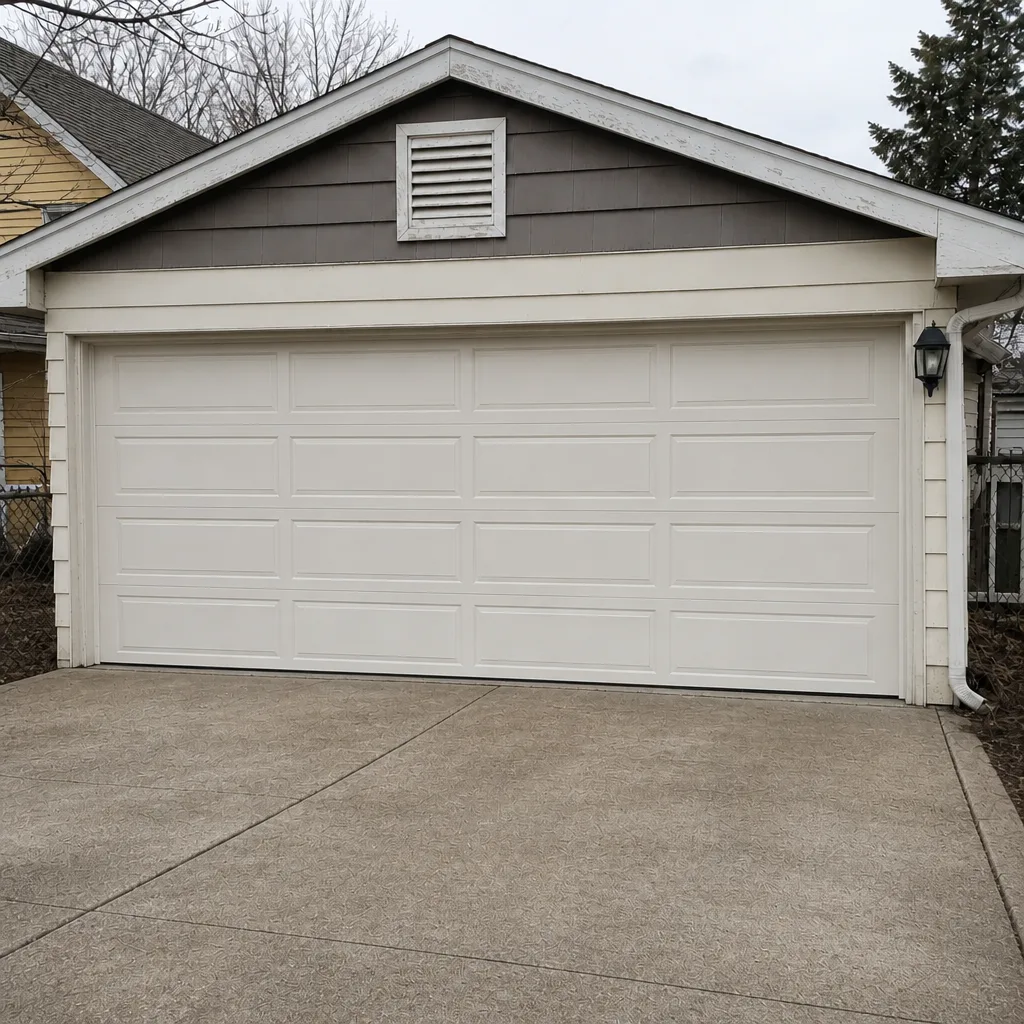 After
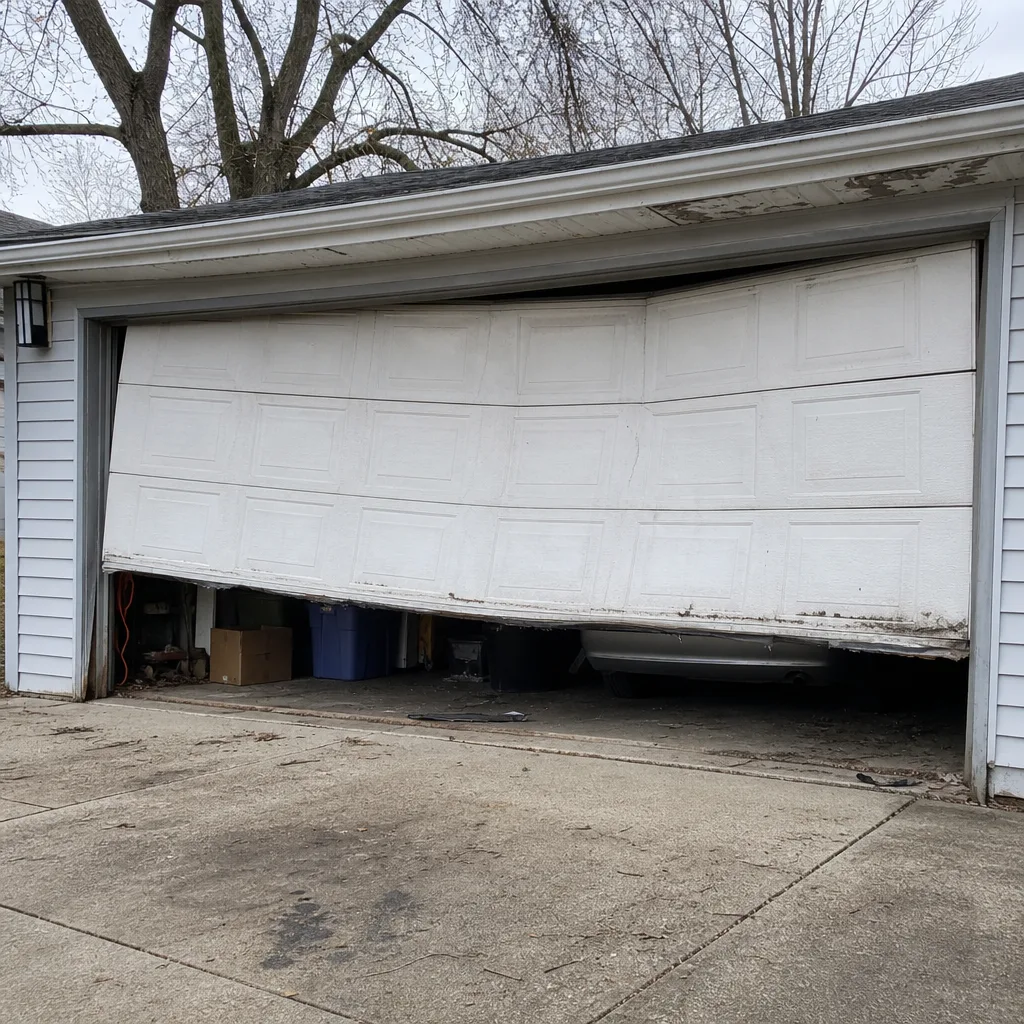 Before
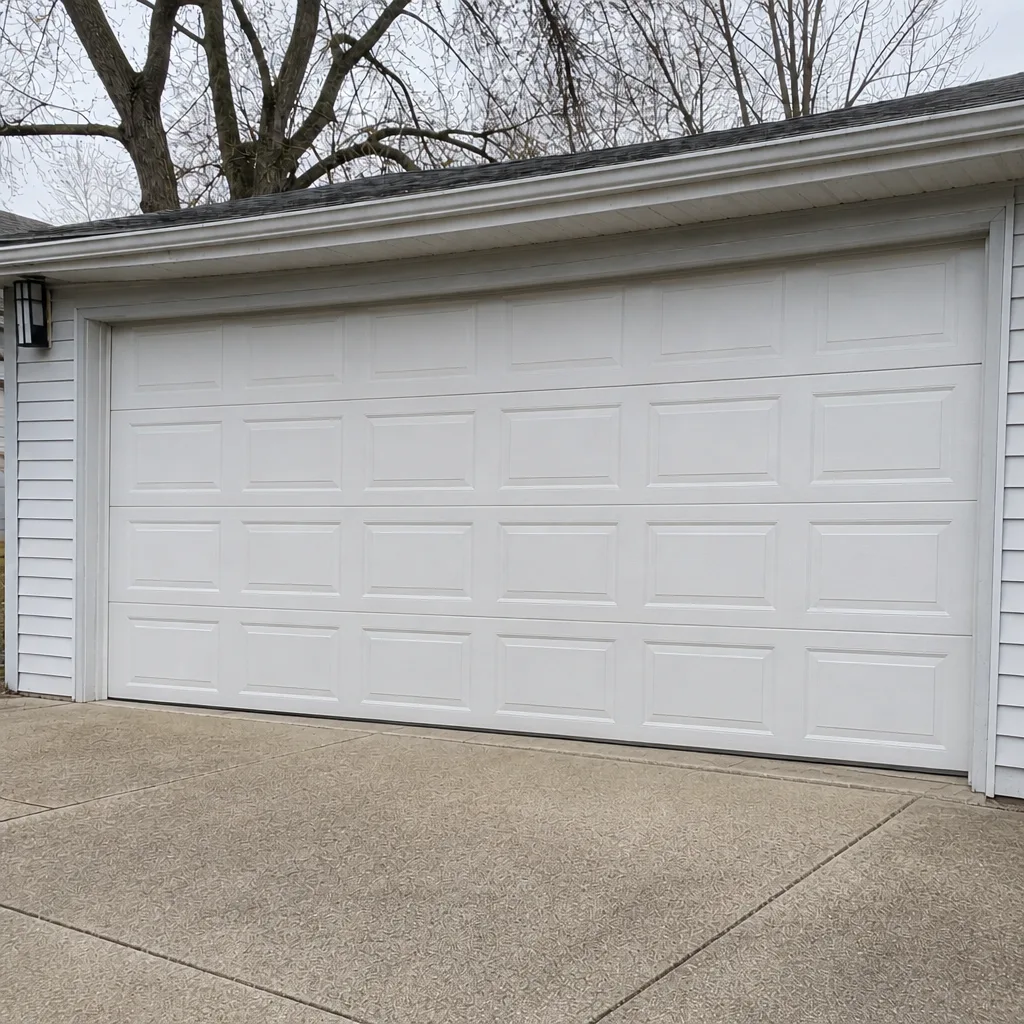 After
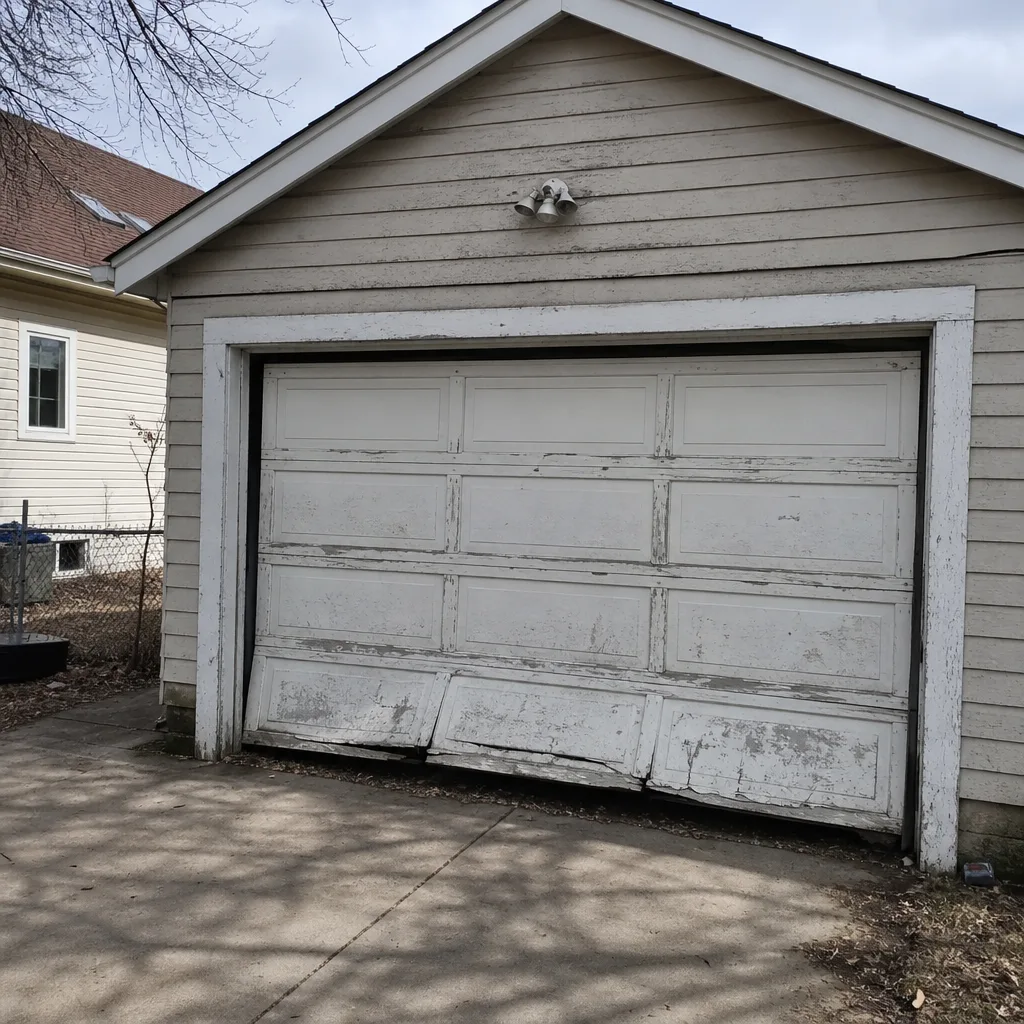 Before
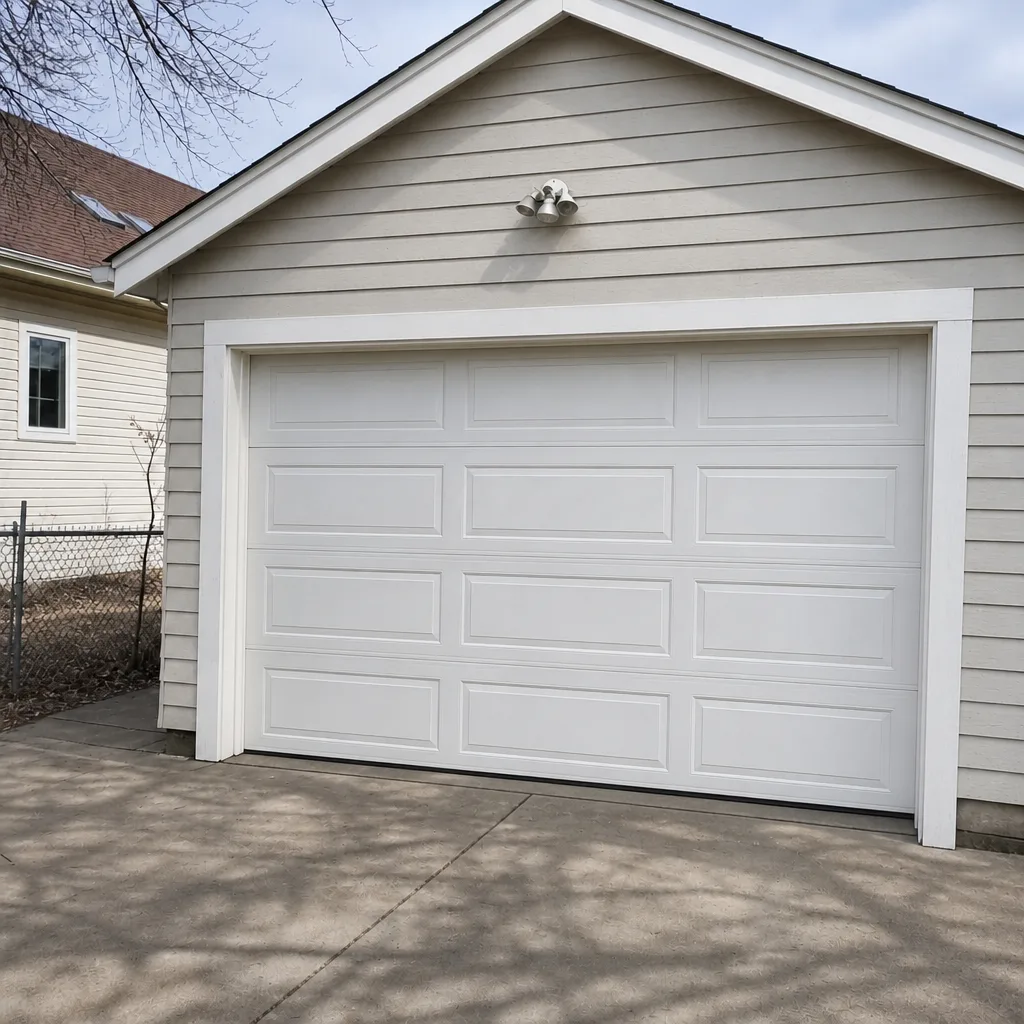 After
When to Call a Professional
Some issues are fine to watch. Others need a call now. Call a professional if the door won’t open or close fully, if it reverses on its own, if a spring snaps, if the door comes off its track, or if you hear a loud bang from the spring area. Also call if the door is straining, if the opener runs but the door doesn’t move, or if you see a cable that’s frayed or hanging loose. For anything involving springs, cables, or the tracks above head height, don’t attempt it yourself. Trained hands make the difference between a repair and an injury. Parkway Garage Door Repair offers free estimates in Minneapolis. Call (855) 213-4171. We answer 24/7. Fast dispatch from 7am to 7pm, Sunday through Friday.
Frequently Asked Questions
It depends on the job, and the honest answer is that a written estimate is the only number that counts. A failed spring, a broken opener, a damaged panel, and a track repair are all priced differently, and the estimate you receive before work starts is the price you pay. Call (855) 213-4171 for a free estimate. We answer 24/7.
For repair calls, we aim to get you same-day service when scheduling allows. Fast dispatch runs from 7am to 7pm, Sunday through Friday, and we’re closed Saturday. Call (855) 213-4171 and we’ll book the next opening that works for you.
No. The price is set by the written estimate, and you agree to it before any work starts. If we find something different once we’re on site, we talk it through with you first. Nothing gets added to the bill without your approval. Call (855) 213-4171 for a free estimate.
Yes. We work with state-licensed, insured, and bonded professionals. If you’d like to confirm credentials before work begins, just ask. Call (855) 213-4171 to schedule. Estimates are free.
Usually not for a like-for-like replacement, but it depends on your city and whether the opening is being changed. Minneapolis, Edina, St. Louis Park, and Bloomington each have their own rules, so call your city’s building department to confirm for your address. Call (855) 213-4171 if you’d like to talk through the job first.
Repair is usually the right call if the panels are sound and only the springs, seals, or opener have worn out. Replace when the door’s panels, springs, hardware, and opener are all near the end together. A free estimate will tell you which case you’re in. Call (855) 213-4171 to get one.
The Bottom Line
Minneapolis is a harder place for a garage door than most national guides admit. More than 50 freeze-thaw cycles a year puts real stress on seals, hardware, and door materials. Most homes here have attached garages, which makes insulation a genuine priority rather than a nice-to-have. Older housing stock means measuring before you order, because standard sizes don’t always fit. And the metro’s permit rules differ enough across Minneapolis and its neighbors that a quick call to your city saves trouble later. Repair first when the door still has life in it. Replace when several systems are done at once. Either way, choose a door and a service company built for the brand already on your home.
Contact Parkway Garage Door Repair
Whether you’re repairing a door that’s struggling, weighing a replacement, or just want a straight answer about what your garage needs, we’re here to help. Parkway Garage Door Repair works on the door and the opener, across the brands already in Minneapolis homes, with free estimates and upfront pricing. Call (855) 213-4171 for a free estimate. We answer 24/7. Fast dispatch from 7am to 7pm, Sunday through Friday, and we’re closed Saturday. You can also start with Parkway Garage Door Repair to see the full range of what we do.
Written by the team at Parkway Garage Door Repair.